
Garment Post-Processing for Custom Clothing from JINMAO
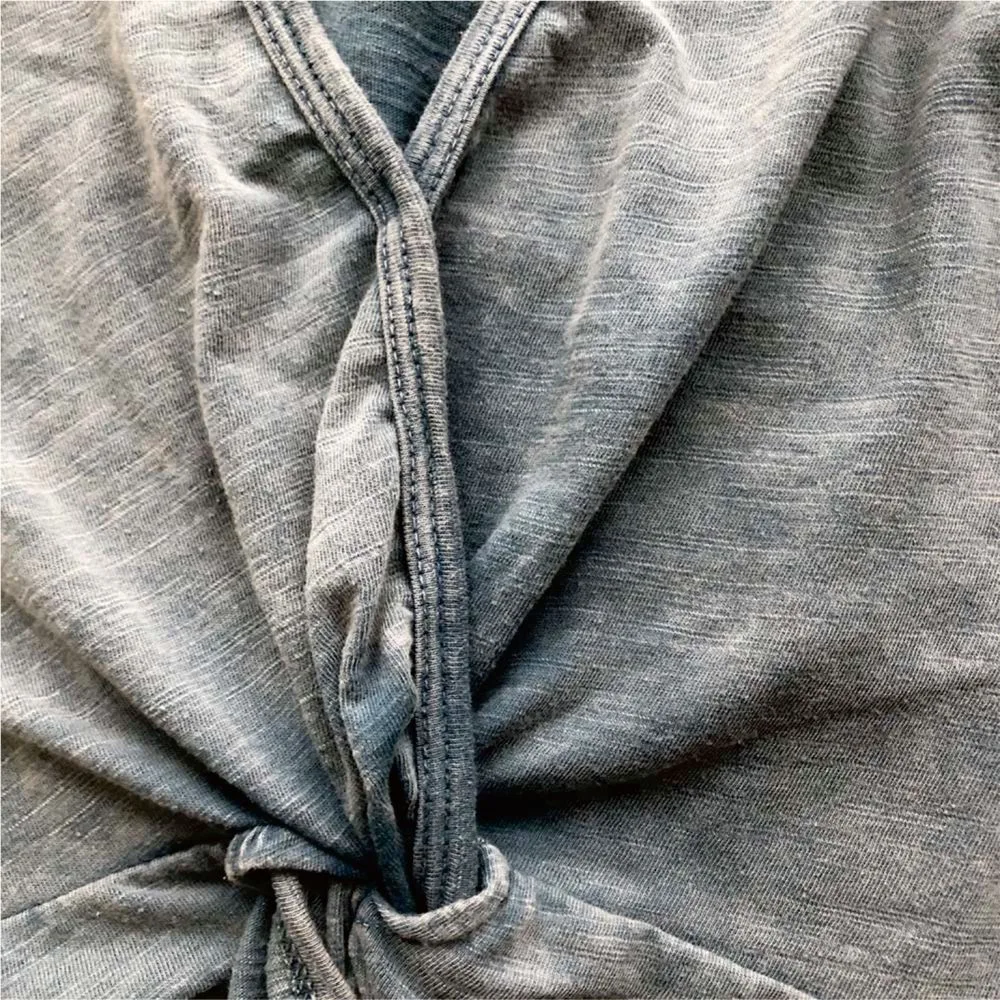
Garment Dyeing
Garment dyeing, also known as piece dyeing, is a specialized technique for coloring ready-to-wear clothing made from cotton or cellulose fibers. This process allows for vibrant, eye-catching colors, giving each garment a unique appearance.
Typically, white garments are dyed using direct or reactive dyes, with reactive dyes providing superior color fastness. It’s important to use cotton sewing thread for garments that have already been sewn before dyeing.
This method is particularly well-suited for denim, tops, sportswear, and casual wear, enhancing the visual appeal and individuality of each piece.
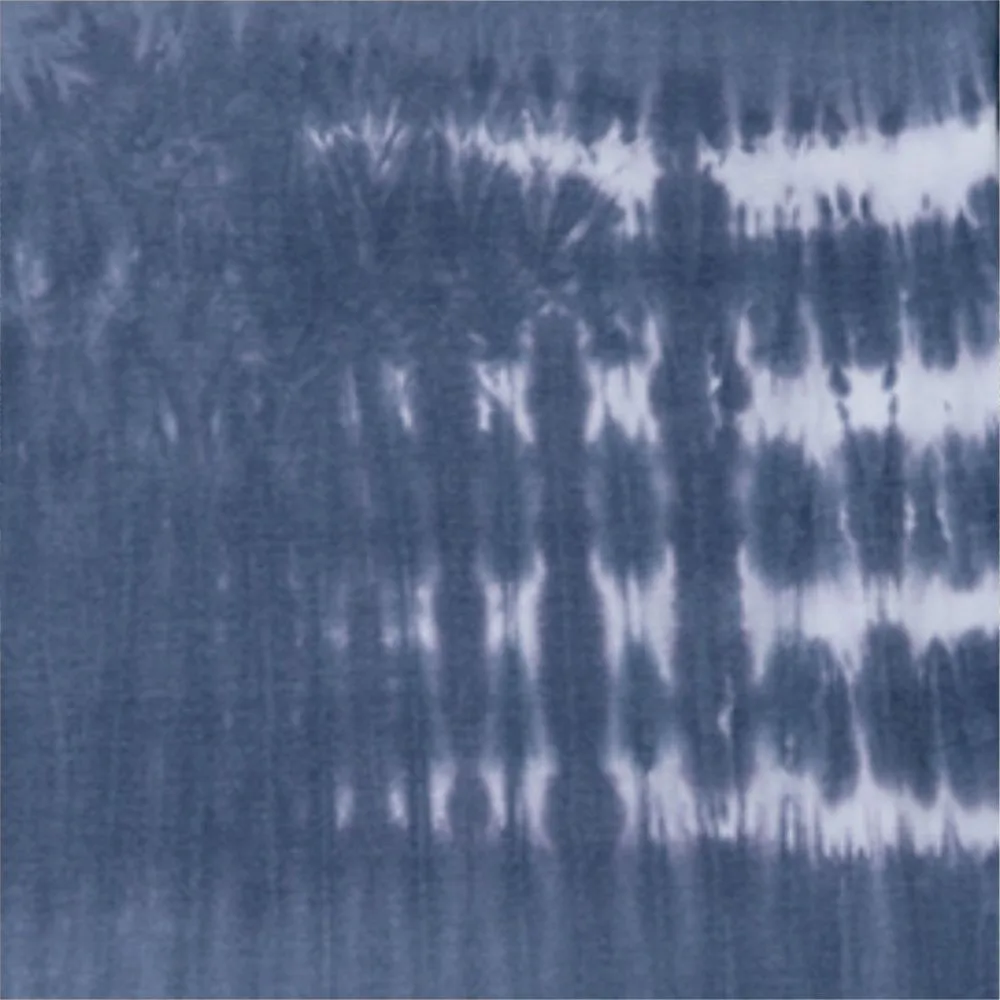
Tie-Dyeing
Tie-dyeing is a vibrant dyeing technique that involves tying or binding sections of fabric to prevent dye absorption in those areas. Initially, the fabric is twisted, folded, or secured with string before applying the dye.
Once dyed, the ties are removed, revealing unique patterns and colors.
This method creates striking artistic effects that enhance clothing designs. With modern technology, digital techniques have expanded the possibilities of tie-dyeing, allowing for intricate patterns and color combinations.
Ideal for materials like cotton and linen, tie-dyeing can be applied to various garments, including shirts, dresses, and suits.
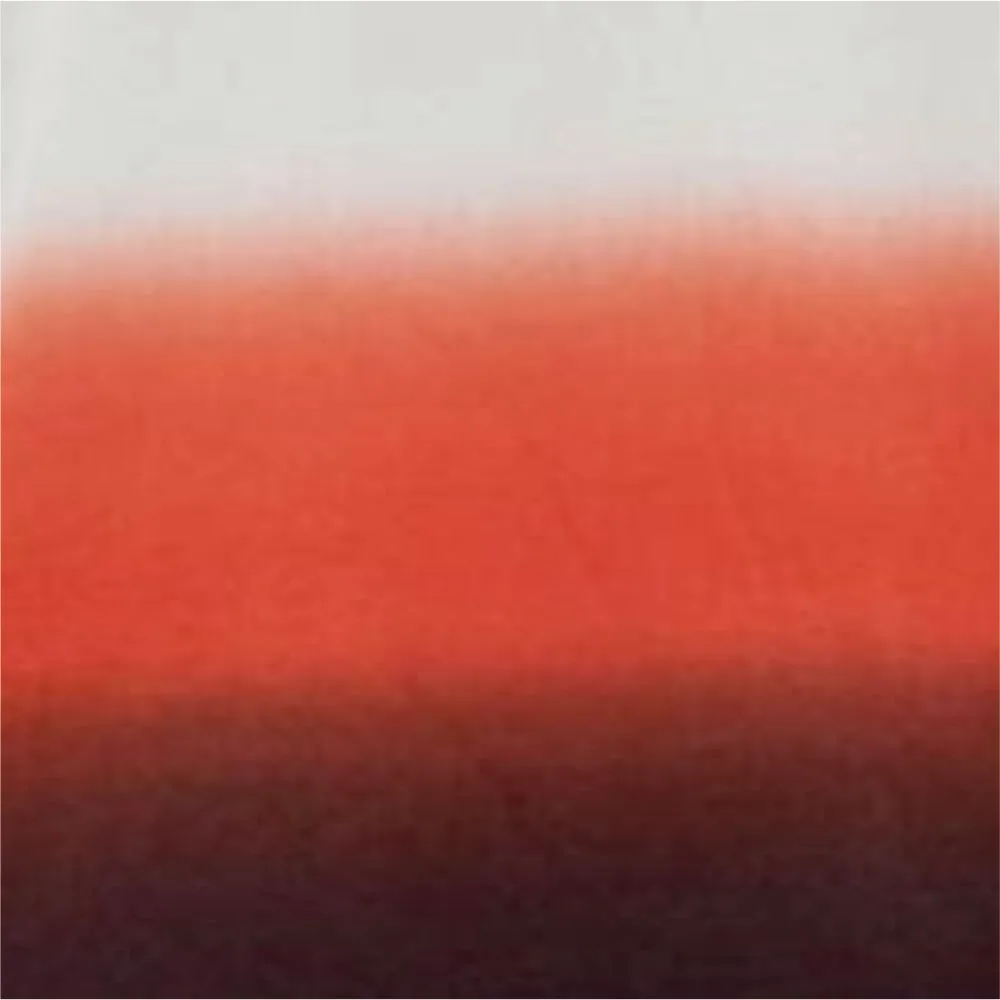
Dip Dye
Dip dye, also known as tie-dye or immersion dyeing, is a creative technique used to color textiles by immersing part of the fabric into a dye bath. This method can produce stunning gradient effects with either a single color or multiple hues.
The dip dye process enhances the visual dimension of clothing, resulting in unique and fashionable pieces that stand out. Whether applied to suits, shirts, t-shirts, or pants, dip dye adds vibrancy and individuality, making each item eye-catching and personalized.
This technique is perfect for those looking to express their style through colorful designs.
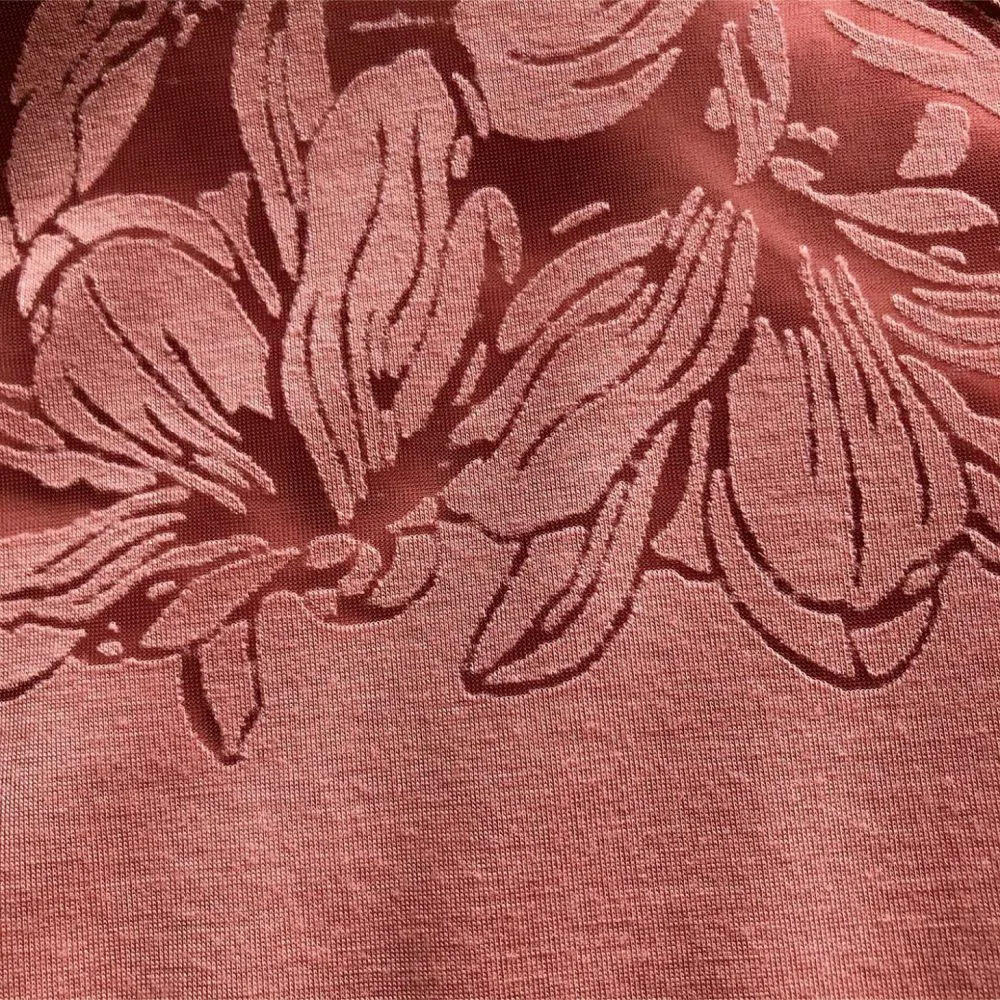
Burn Out
The burnout technique is a fabric processing method that creates unique patterns by selectively dissolving fibers using chemicals. Typically applied to blended fabrics—like polyester and cotton—this technique targets the more susceptible fibers, such as cotton, while leaving the more resistant fibers intact.
A corrosive agent, often an acidic chemical, is applied to the fabric, causing the targeted fibers to disintegrate. The result is a sheer effect where the remaining fibers create a textured pattern.
This method is popular for producing lightweight, breathable fabrics with intricate designs, ideal for garments and home textiles.
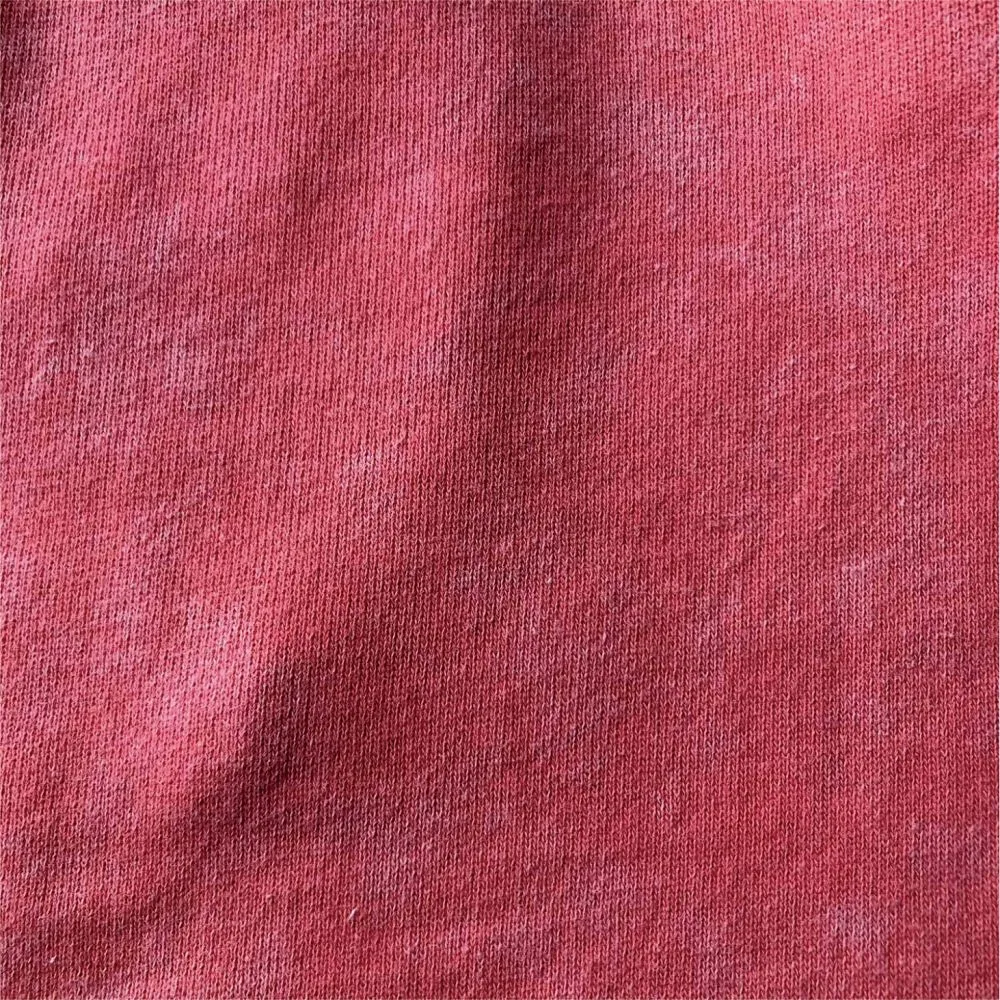
Snowflake Wash
Snowflake Wash is a unique garment finishing technique that utilizes dry pumice stones soaked in potassium permanganate solution. The process involves rubbing these stones against fabric in a specialized vat, which creates friction and causes the potassium permanganate to oxidize specific points on the clothing.
This results in distinctive, irregular fading that resembles white snowflake patterns, hence the name “snowflake wash.”
Also referred to as “fried snowflakes,” this method is particularly effective on thicker fabrics like jackets and dresses, producing a visually appealing distressed look that enhances the garment’s aesthetic.
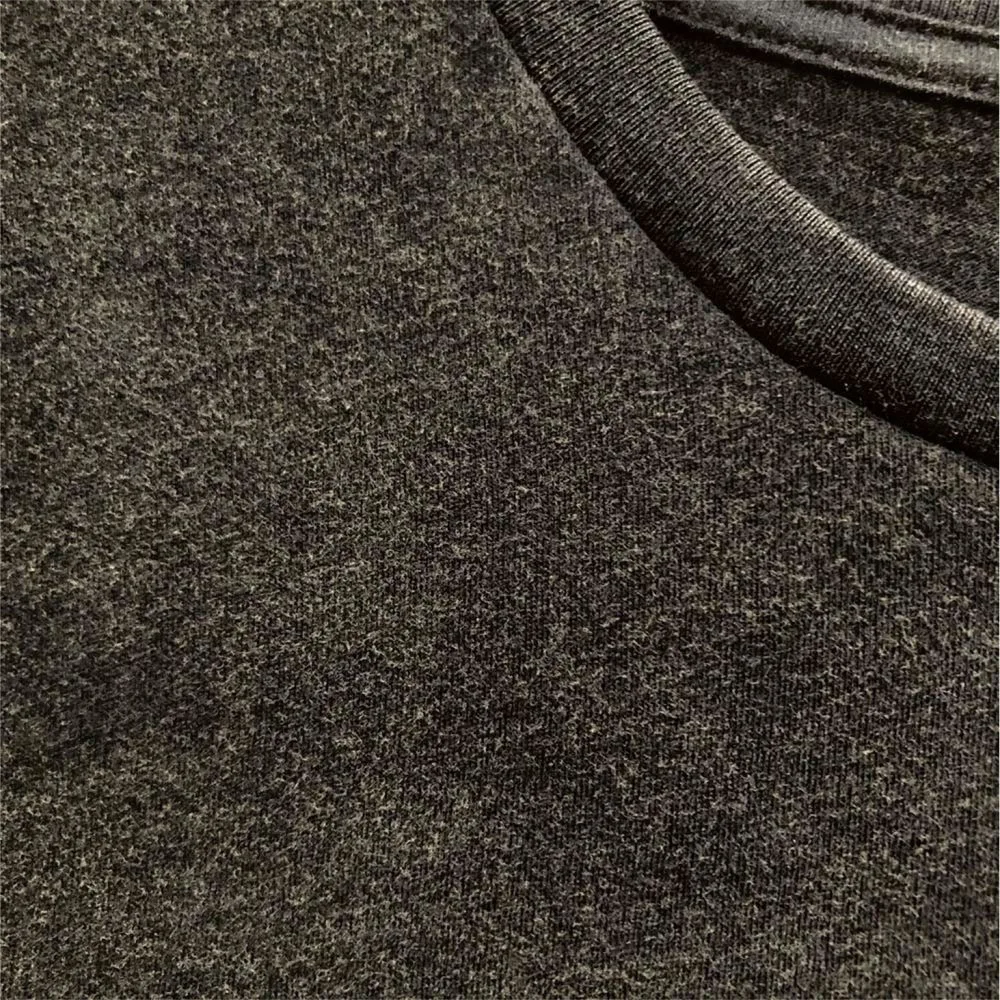
Acid Wash
Acid wash is a textile treatment method that employs strong acids to achieve a distinct faded and wrinkled effect on fabrics, particularly denim. This process involves immersing the fabric in an acidic solution, which damages the fiber structure and lightens the colors.
By adjusting the acid concentration and treatment duration, various effects can be produced, such as mottled appearances or faded edges. The result is a worn and distressed look, simulating years of use and washing.
Acid wash is popular in fashion for its unique aesthetic, giving garments a vintage appeal while enhancing their softness and comfort.
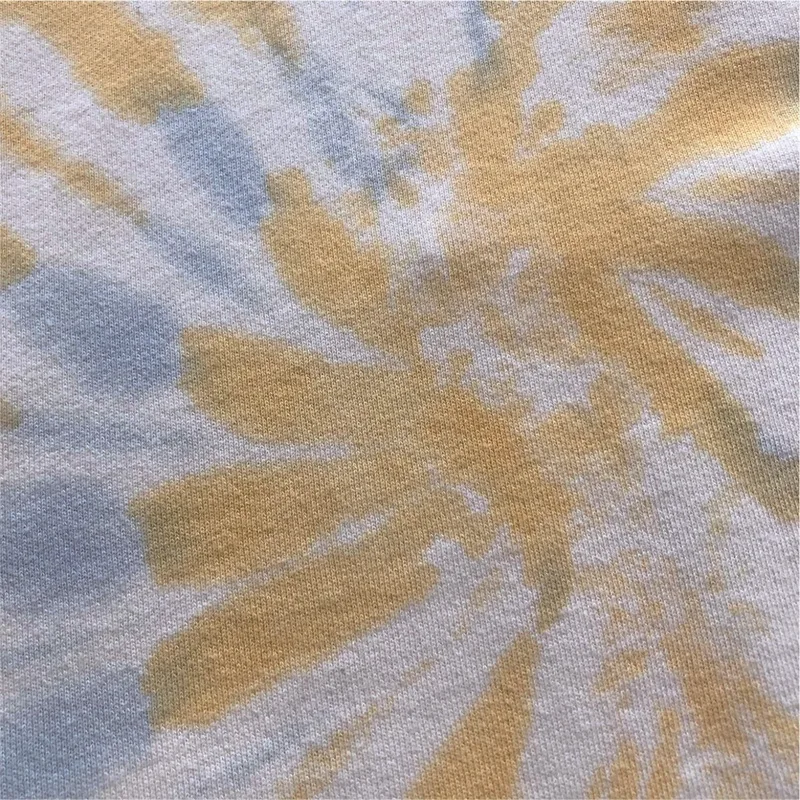
Fabric Dyeing
Dyeing the fabric after it is knitting. The fabric is processed through professional equipment for processes including packing, sewing, singeing, desizing, oxygen bleaching, silk gloss, setting, dyeing, finishing, and pre-shrinking, to present various colors.
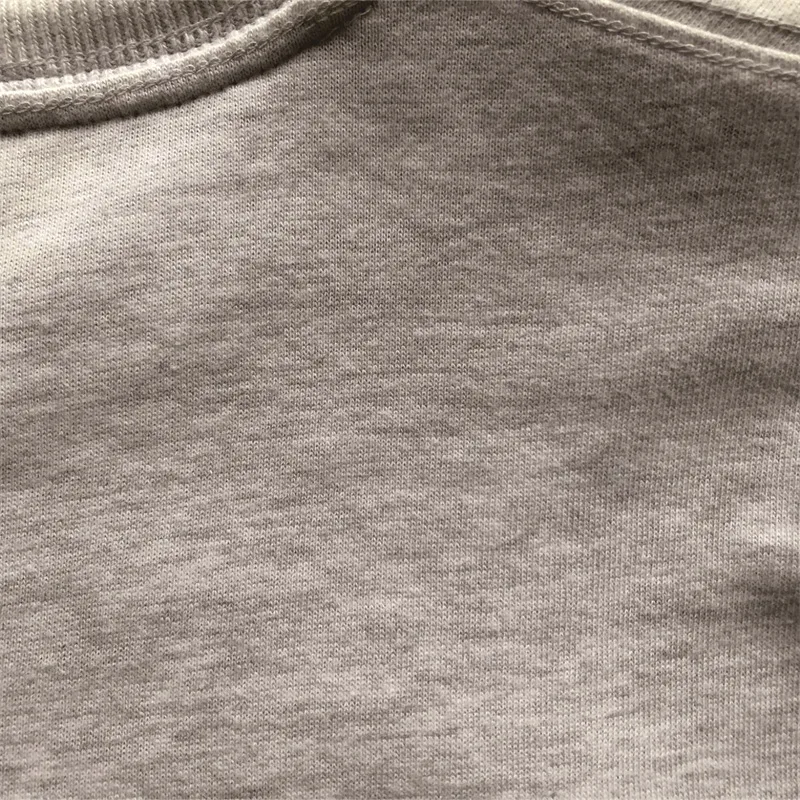
Water Wash
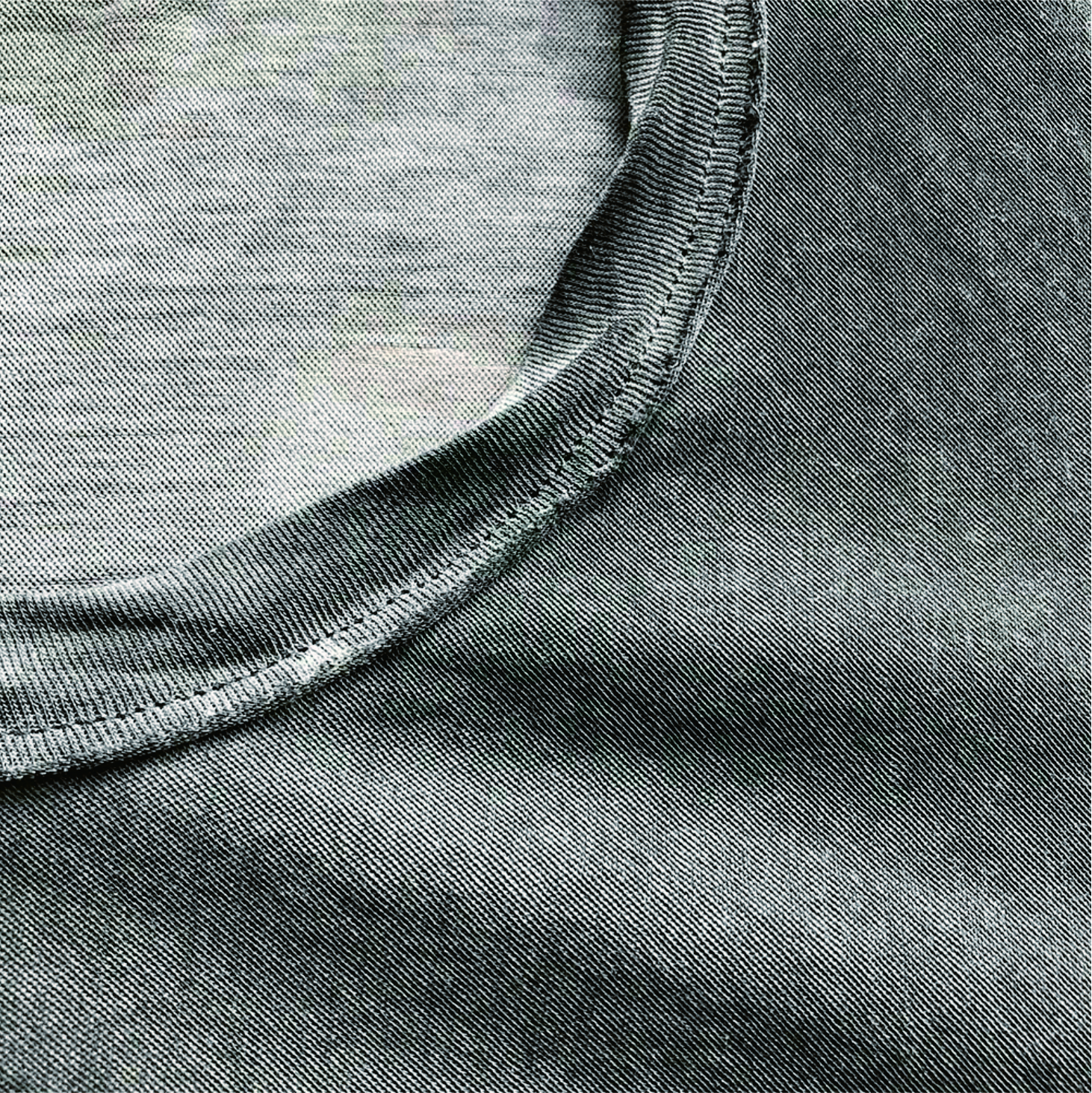
Regular wash. The water temperature is around 60-90 degrees Celsius, with a certain amount of detergent added. After several minutes of normal washing, rinse with clean water and add fabric softener to make the fabric softer, more comfortable, and visually more natural and clean. Generally, based on the duration of water wash and the amount of chemicals used, it can be classified as light regular wash, regular wash, and heavy regular wash.
Suitable for: T-shirts, pants, jackets, and all types of clothing.
Distressed wash
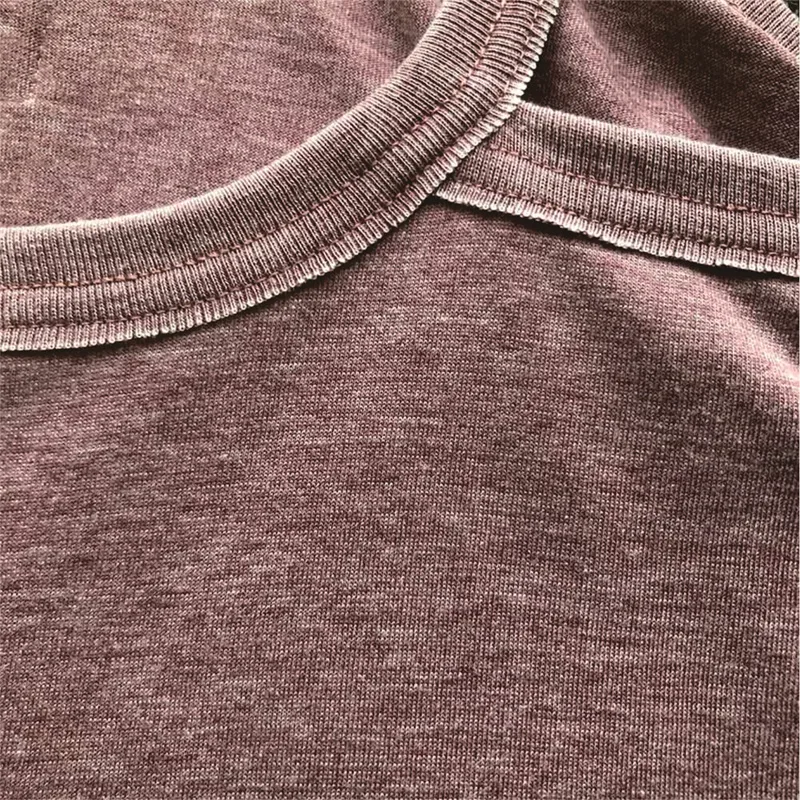
Making the dyed clothing look worn out, removing the color, and giving it a faded appearance.
Suitable for: Sweatshirts, jackets, etc.
Enzyme wash
Enzyme wash is a type of cellulase enzyme that, under certain pH and temperature conditions, degrades the fiber structure of fabric. It can gently fade color, remove pilling (creating a “peach skin” effect), and achieve a lasting softness. It also enhances the drape and luster of the fabric, ensuring a delicate and non-fading finish.
Custom Embroidery clothing case
We pride ourselves on being able to design clothing exactly how you want it without any limitations.
Get started now with an MOQ of 800 pieces per item!
dip dye casual tank
FABRIC COMPOSITION & WEIGHT: 100%cotton, 140gsm, single jersey
FABRIC TREATMENT: N/A
GARMENT FINISH: Dip dye
PRINT & EMBROIDERY: N/A
FUNCTION: N/A
Snowflake washed jacket
FABRIC COMPOSITION & WEIGHT: 100%cotton, 280gsm, French terry
FABRIC TREATMENT: N/A
GARMENT FINISH: Snowflake wash
PRINT & EMBROIDERY: N/A
FUNCTION: N/A
Acid washed rib tank
FABRIC COMPOSITION & WEIGHT: 95% cotton and 5% spandex, 220gsm, Rib
FABRIC TREATMENT: N/A
GARMENT FINISH: Dip dye, Acid wash
PRINT & EMBROIDERY: N/A
FUNCTION: N/A
Fields marked with an * are required