
Customized apparel printing capabilities by JINMAO
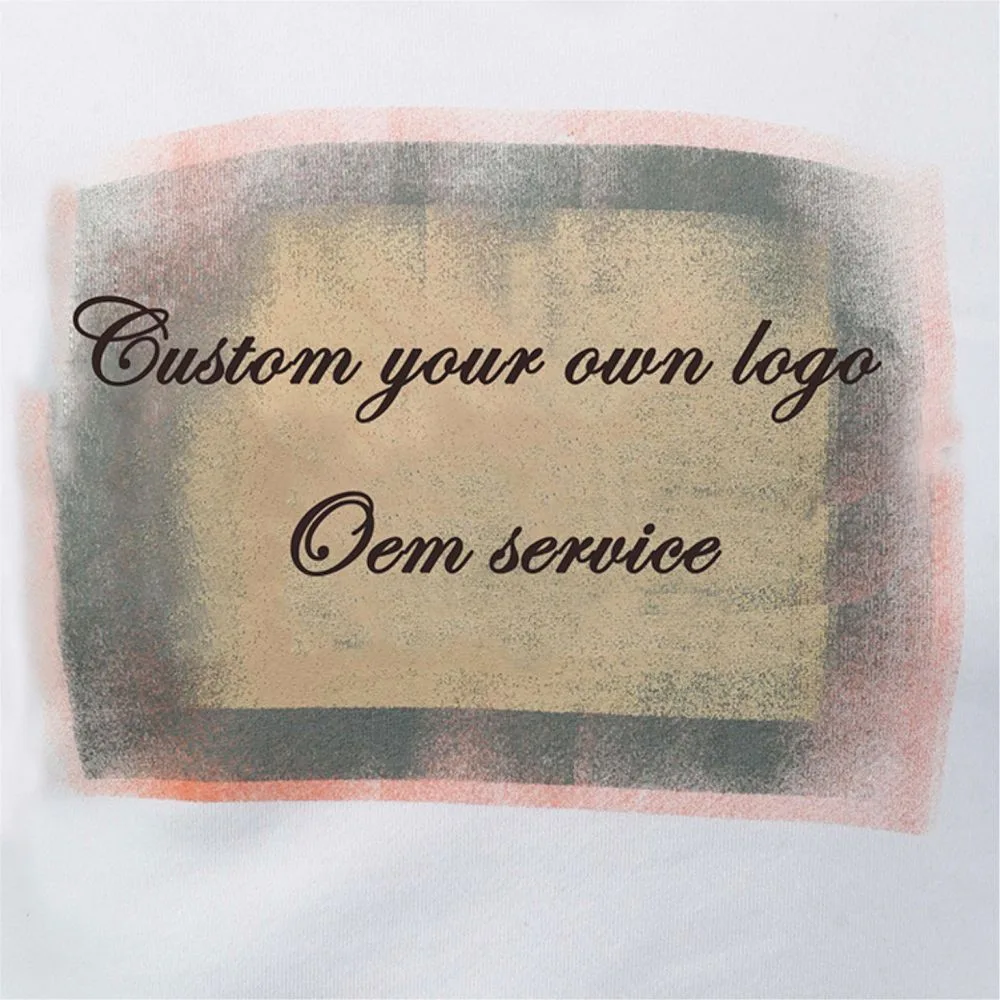
Water Print

Discharge Print
Discharge printing is a textile technique that starts with dyeing fabric in a dark color. A discharge paste, containing a reducing or oxidizing agent, is applied to selectively remove dye from certain areas, creating a bleached effect. If color is added to these areas, it’s called color discharge. This method enables intricate patterns and logos, resulting in smooth textures and vibrant contrasts.
Discharge printing works best on fabrics dyed with reactive dyes, allowing for bright colors without an underbase of white ink. The outcome is a lightweight print that preserves the fabric’s natural feel while showcasing vivid designs against dark backgrounds.
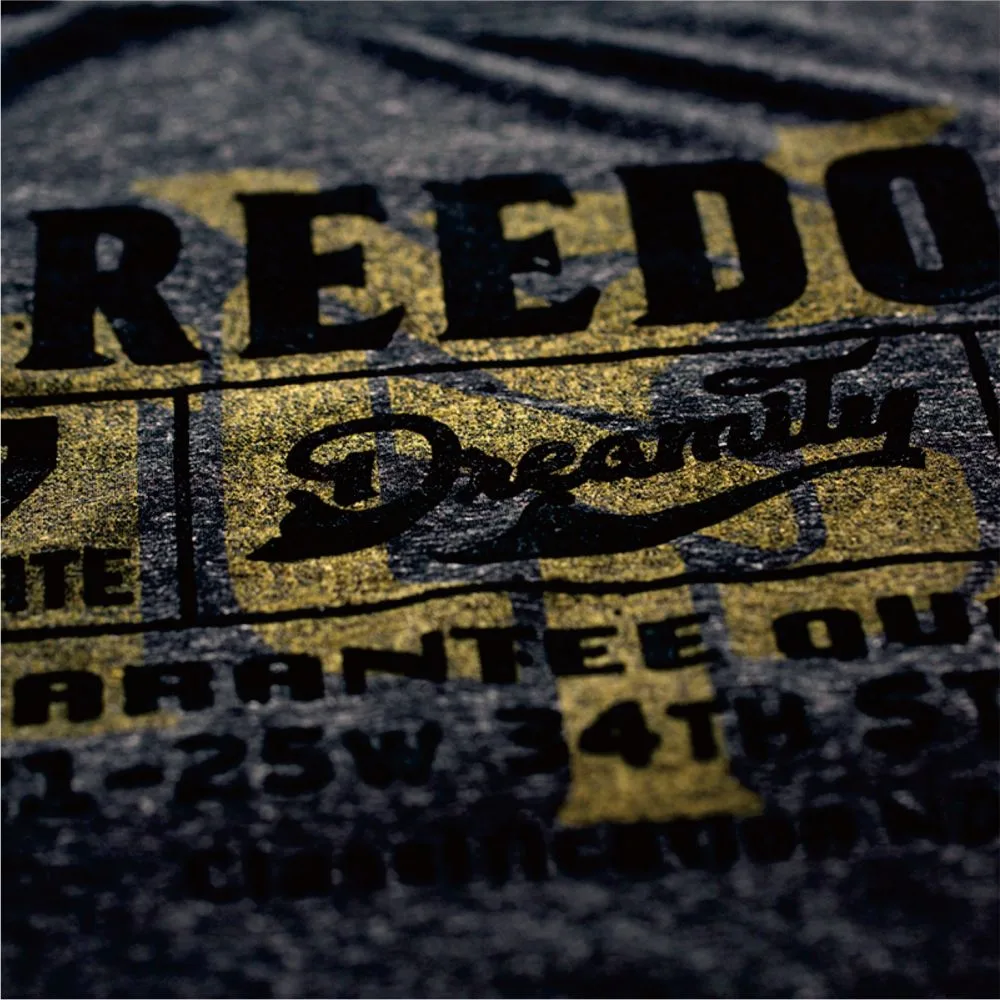
Flock Print
Flock printing is an innovative technique that uses a specialized paste to create textured designs on various materials. The process involves applying flocking paste to a substrate, followed by flock fibers using a high-pressure electrostatic field. This method combines elements of screen printing and heat transfer, resulting in a soft, plush texture that enhances visual and tactile appeal.
Flock printing is popular in the fashion industry for its vivid colors and three-dimensional effect, creating a luxurious, velvety finish. The process includes creating a stencil, applying adhesive, layering flock fibers, and curing the design for durability, resulting in eye-catching products.
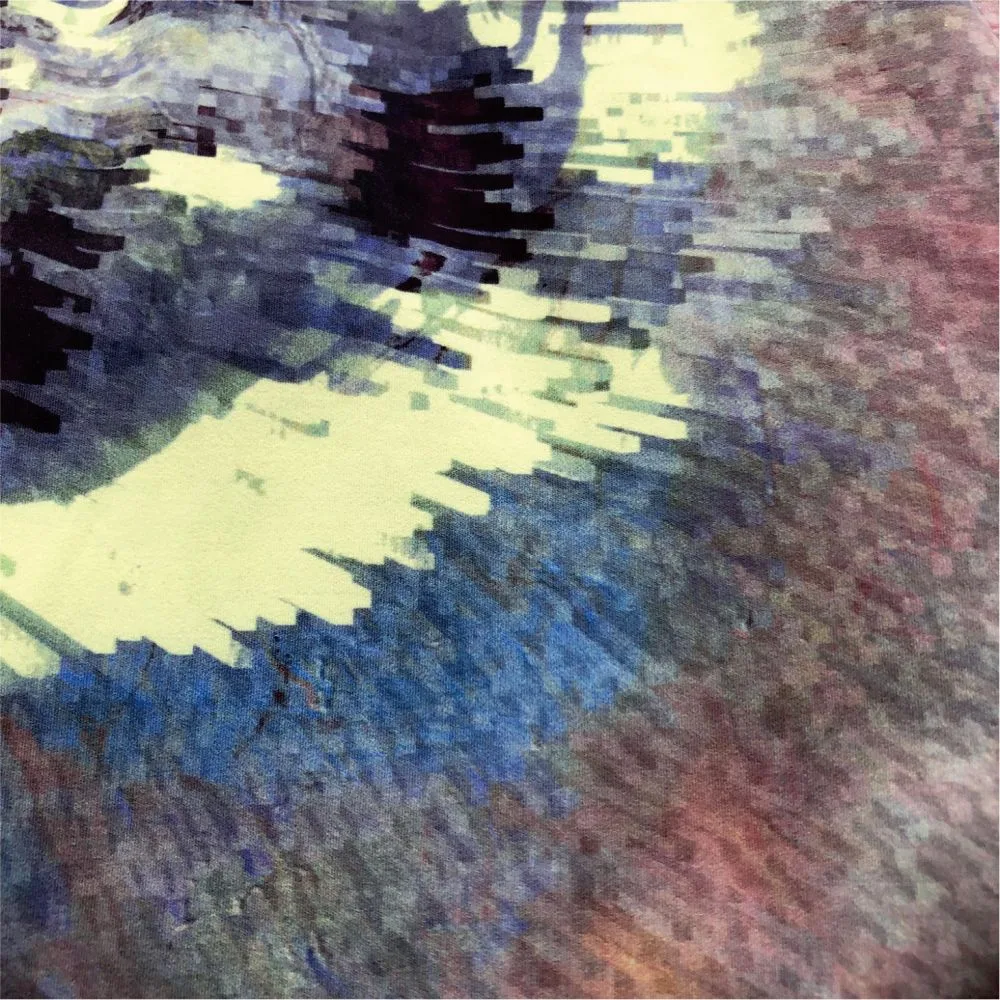
Digital Print
Digital printing utilizes nano-sized pigment inks that are precisely ejected onto fabric using computer-controlled print heads. This technology enables the reproduction of intricate designs with high precision. Compared to dye-based inks, pigment inks provide superior color fastness and wash resistance, making them suitable for various fibers and fabrics.
Key advantages of digital printing include the ability to produce large-format designs without a noticeable coating, resulting in lightweight and soft prints with excellent color retention. Additionally, the printing process is both convenient and fast, streamlining production while maintaining high-quality output.
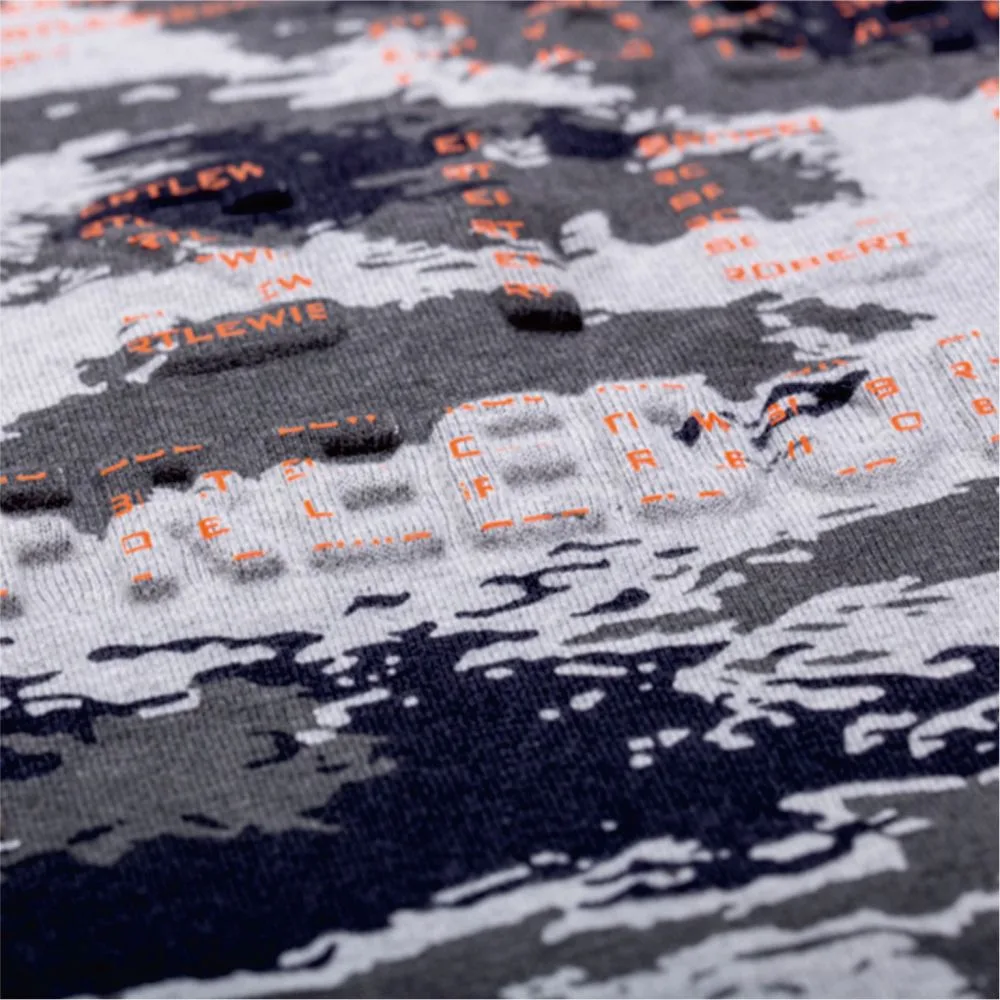
Embossing
Embossing is a technique that utilizes mechanical pressure and heat to produce three-dimensional patterns on fabric. This process involves the use of molds that apply high-temperature heat pressing or high-frequency voltage to targeted areas of garment pieces. The result is a raised, textured effect that features a unique glossy finish.
This method not only enhances the visual appeal of textiles but also adds depth and dimension, making it a popular choice in fashion and design. Embossing can elevate the overall aesthetic of garments, creating striking and memorable pieces.
Fluorescent Print
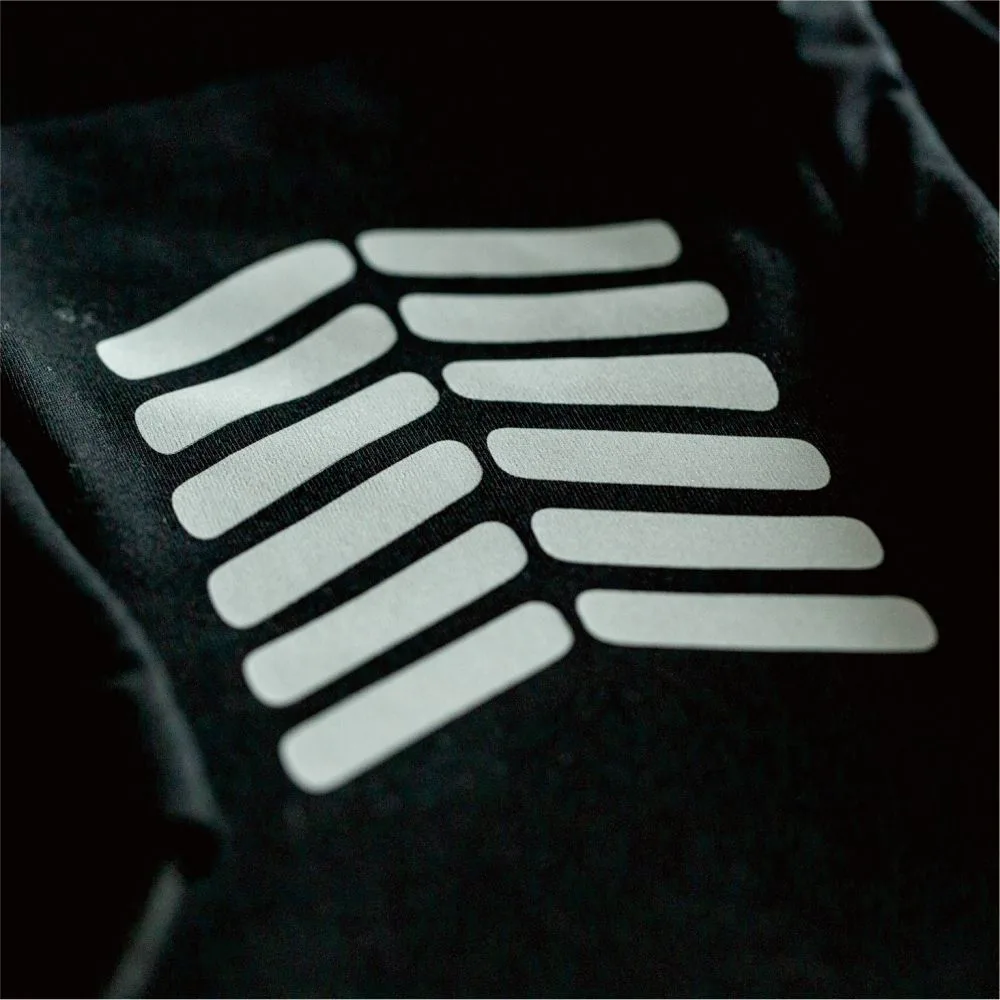
Fluorescent printing utilizes special fluorescent materials combined with a unique adhesive to create vibrant inks. These inks are used to print intricate designs that come alive in low-light conditions, showcasing bright, colorful patterns. The result is not only visually striking but also offers a delightful tactile experience.
Additionally, fluorescent prints are designed for durability, ensuring that the vivid colors remain intact over time. This innovative printing technique is perfect for applications where eye-catching visuals are essential, making it a popular choice in various industries.
High density print
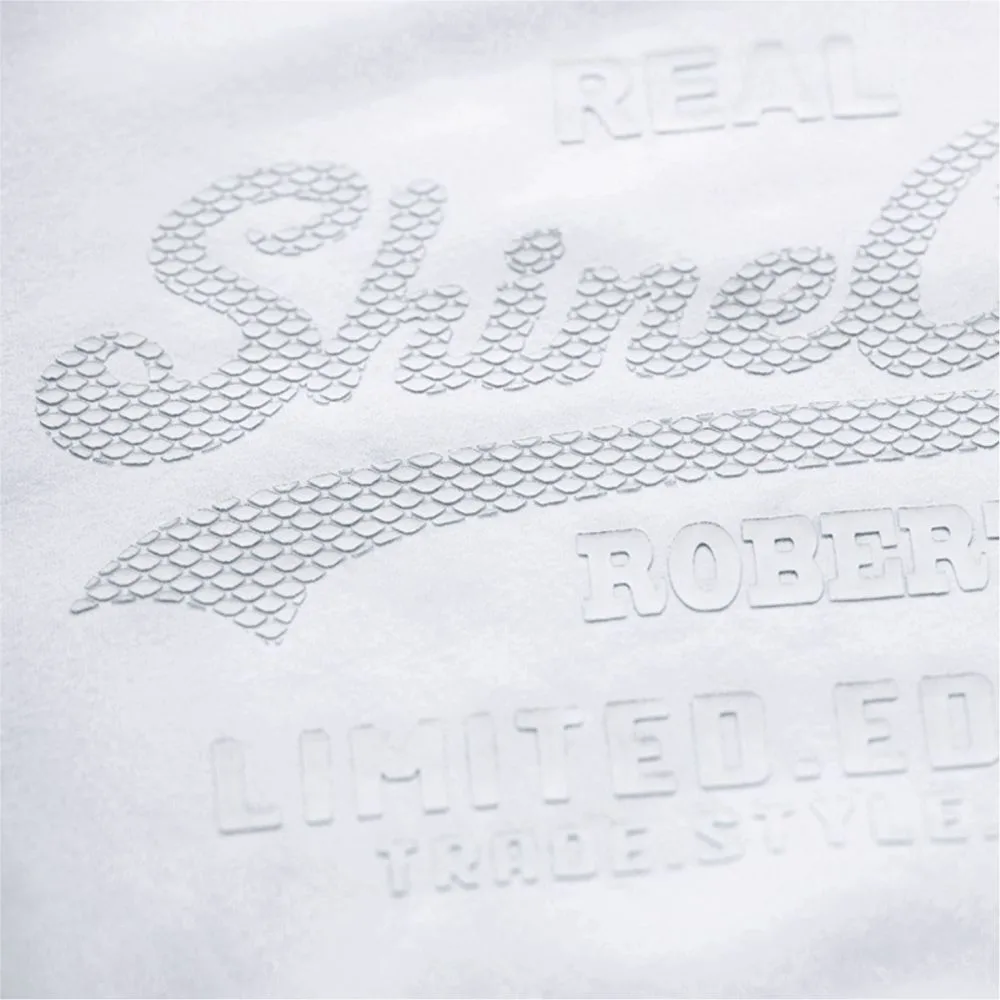
High-density printing utilizes a specialized technique that employs water-based thick plate ink and high-tension screen printing mesh to create a striking high-low contrast effect. This method involves applying multiple layers of paste, enhancing the print’s thickness and producing sharp, three-dimensional edges, unlike traditional rounded designs.
Primarily used for logos and casual prints, the process incorporates environmentally friendly silicone ink, which is non-toxic, tear-resistant, waterproof, and washable. This ink maintains vibrant colors and offers a smooth surface with excellent tactile quality, ensuring durability and longevity in printed patterns.
Puff Print
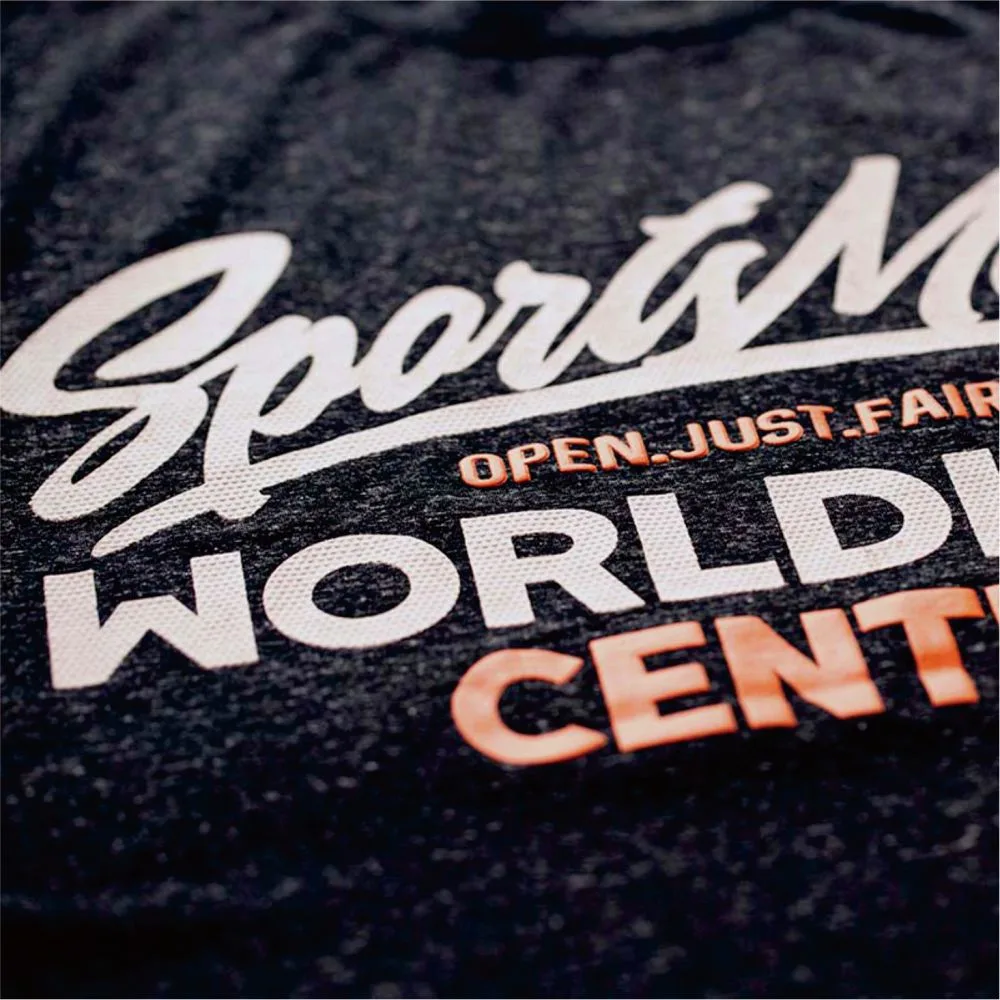
Puff Print is a specialized thick plate printing technique that utilizes water-based thick plate inks and high-tension screen printing meshes to achieve a unique high-low contrast effect. This method involves applying multiple layers of paste, resulting in increased thickness and sharper edges, providing a more three-dimensional appearance than traditional rounded prints.
Puff Print primarily employs environmentally friendly silicone ink, which is non-toxic, tear-resistant, waterproof, and washable. The final product boasts vibrant colors, a smooth surface, and excellent tactile sensations, making it ideal for logos and casual designs while ensuring durability and longevity of the prints.
Laser Film
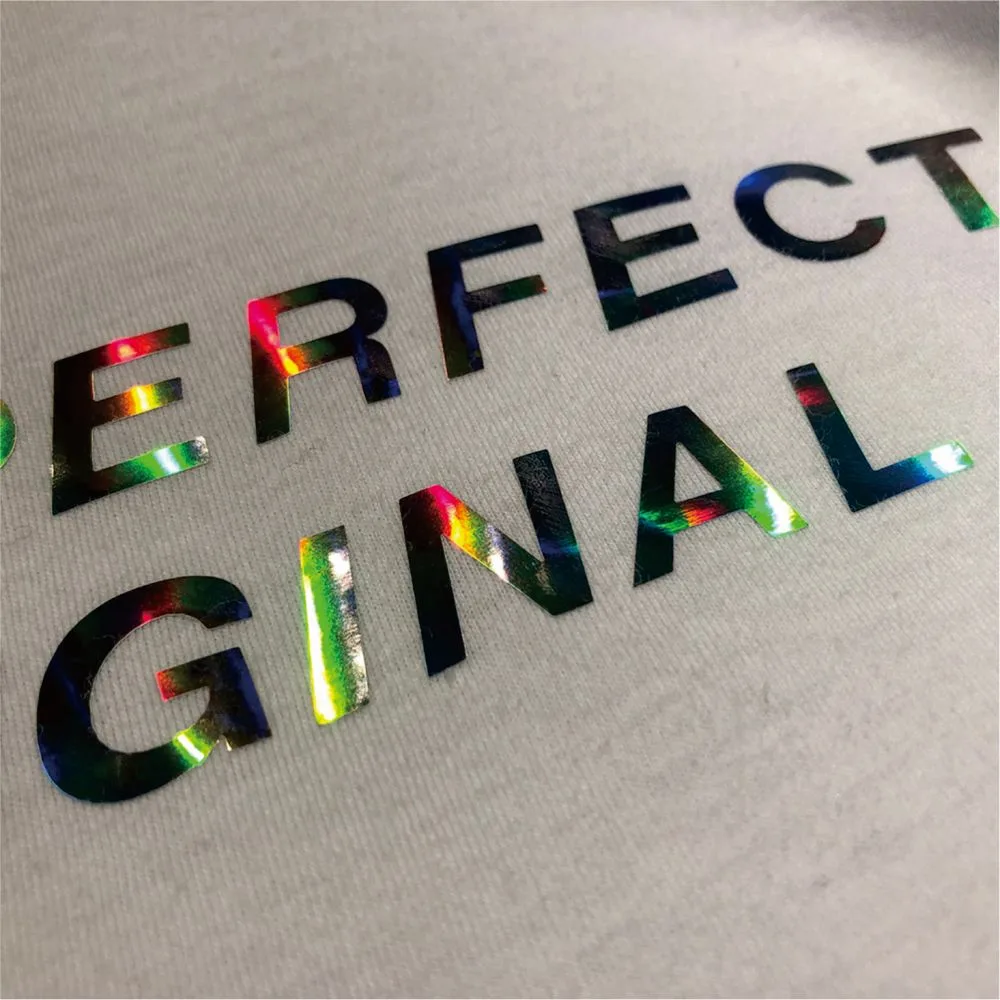
Laser Film is a rigid sheet material widely used for garment decoration. It undergoes specialized formula adjustments and multiple processes, including vacuum plating, which enhances its surface with vibrant and diverse colors.
This material is particularly valued in the fashion industry for its ability to add unique visual effects to apparel, making it an essential component for custom designs and embellishments. Laser Film’s versatility allows it to be used in various applications, from screen printing to creating intricate patterns, thus elevating garment aesthetics significantly.
Suitable for: T-shirts, sweatshirts, and other knitted fabrics.
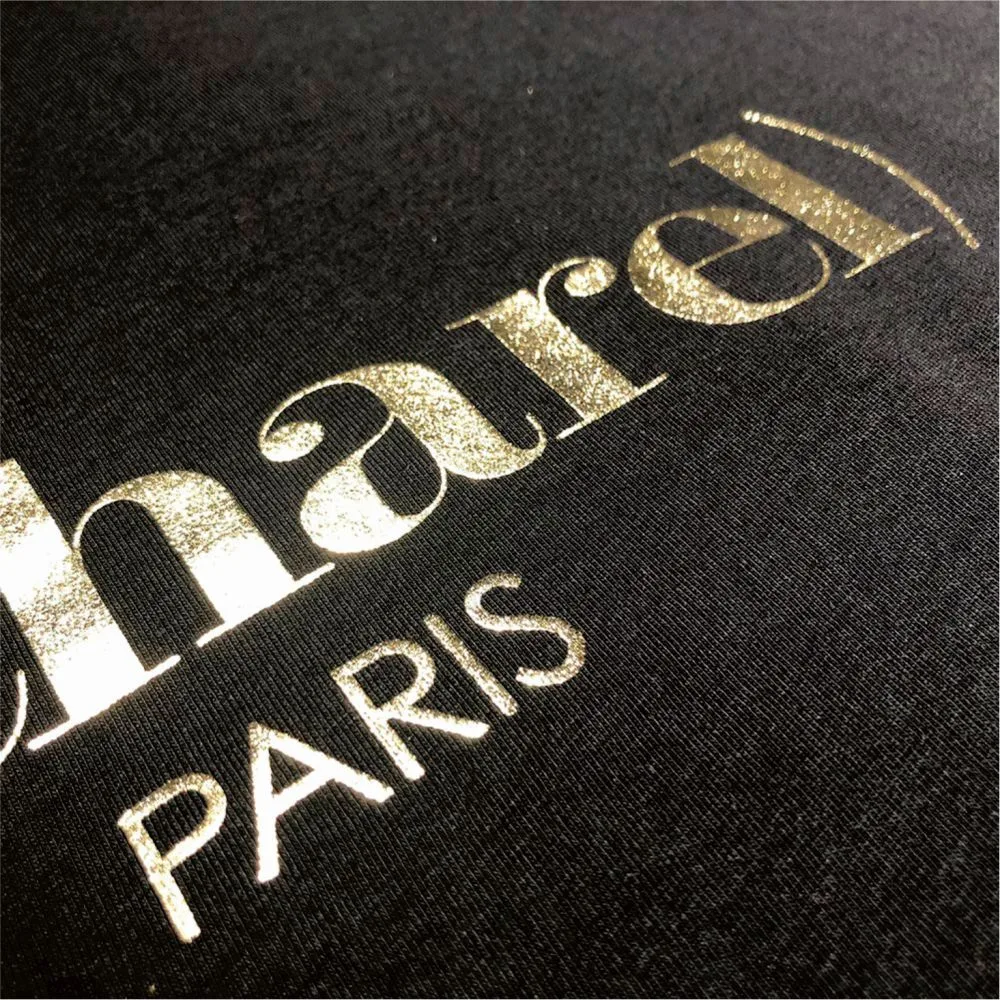
Foil Print
Foil printing, also referred to as foil stamping or foil transfer, is a decorative technique that adds a metallic sheen to fabrics. This process begins by applying a heat-sensitive adhesive to the fabric in a desired pattern. Next, metallic foils, typically in gold or silver, are placed over the adhesive. Using a heat press or foil transfer machine, heat and pressure bond the foil to the fabric. Once cooled, the foil is peeled away, leaving behind a vibrant metallic design. This technique not only enhances the visual appeal of garments but also provides a luxurious texture that is highly sought after in fashion.
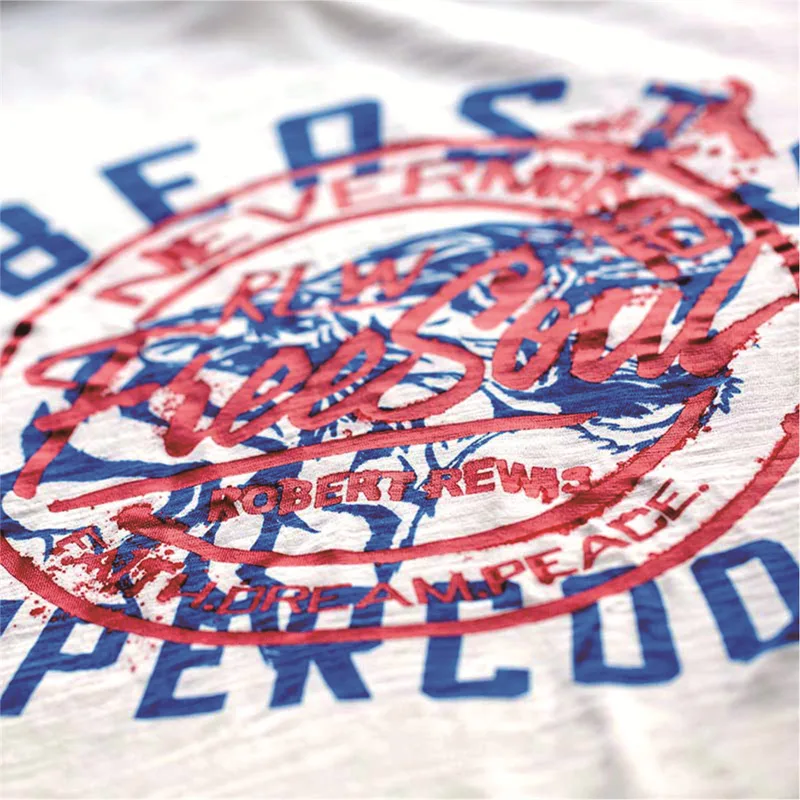
Rubber Print
This method involves separating colors and using a binder in the ink to adhere the ink onto the fabric surface. It is widely used and offers vibrant colors with high color fastness. It has good coverage and is suitable for printing on various types of fabrics, regardless of their color intensity. After the curing process, it creates a soft texture, resulting in a smooth and soft touch. Additionally, it exhibits good elasticity and breathability, preventing the fabric from feeling stuffy or causing excessive sweating even when used for large-scale printing.
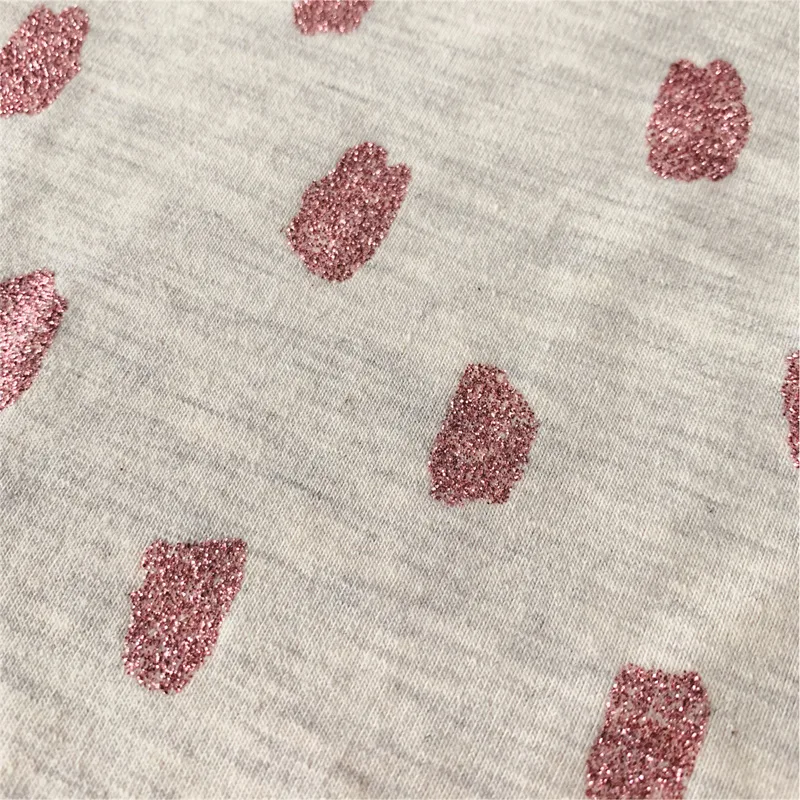
Glitter Print
It is a printing technique that creates a sparkling and vibrant effect on garments by applying glitter onto the fabric. It is commonly used in fashion and eveningwear to add a unique and eye-catching shimmer to clothing, enhancing their visual appeal. Compared to foil print, glitter print offers a more cost-effective solution.
During the glitter printing process, a special adhesive is first applied to the fabric, and then glitter is evenly sprinkled onto the adhesive layer. Pressure and heat are then used to firmly bond the glitter to the fabric surface. Once the print is complete, excess glitter is gently shaken off, leaving behind a uniform and sparkling pattern.
Glitter print creates a captivating shimmer effect, infusing garments with vitality and radiance. It is often used in girls’ clothing and teenage fashion to add a touch of glamour and sparkle.
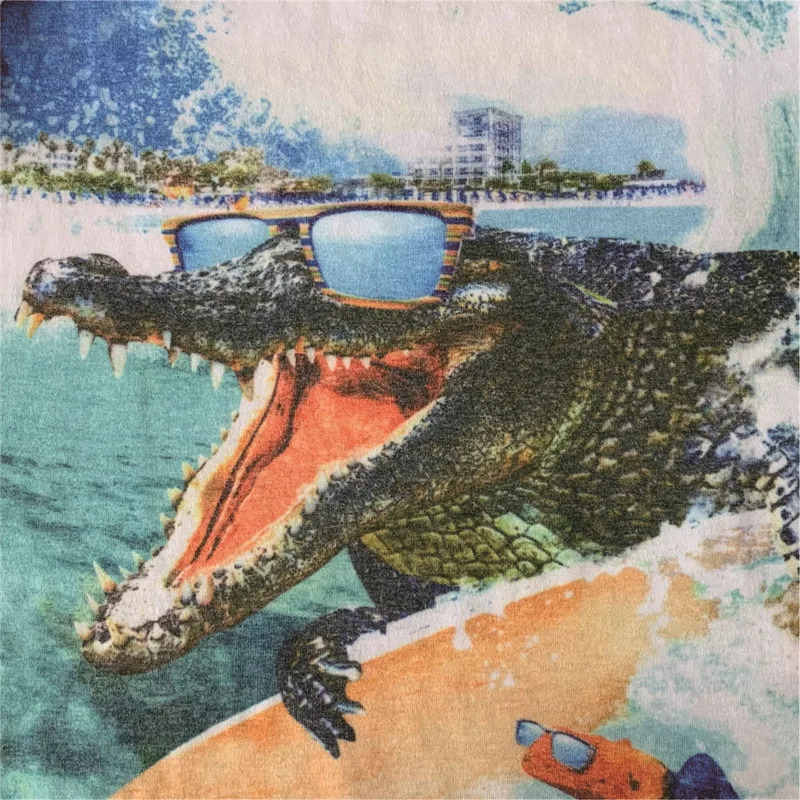
Sublimation print
It is an advanced digital printing technique that involves converting solid dyes into a gas state and then infusing them into fabric fibers to achieve pattern printing and coloring. This printing technique allows colors to be embedded within the fiber structure of the fabric, resulting in vibrant and long-lasting patterns with excellent breathability and softness.
In the process of sublimation print, a specialized digital printer and sublimation inks are used to print the desired pattern onto specially coated transfer paper. The transfer paper is then tightly pressed onto the fabric to be printed, and appropriate temperature and pressure are applied. As the heat is applied, the solid dyes are transformed into a gas state and permeate the fabric fibers. Upon cooling, the dyes solidify and become permanently embedded within the fibers, ensuring that the pattern does not fade or wear off.
Compared to digital print, sublimation print is specifically suitable for fabrics with a higher percentage of polyester fibers. This is because sublimation dyes can only bond with polyester fibers and cannot achieve the same results on other types of fibers. Sublimation print offers a higher cost-effectiveness compared to digital print.
Heat Transfer Print
It is a common printing technique that transfers designs from specially designed transfer paper onto fabric or other materials through heat and pressure. This printing technique allows for high-quality pattern transfer and is suitable for various types of materials.
In the process of heat transfer print, the design is first printed onto specialized transfer paper using an inkjet printer and heat transfer inks. The transfer paper is then tightly applied to the fabric or material to be printed and subjected to appropriate temperature and pressure. During the heating process, the pigments in the ink vaporize, penetrate the transfer paper, and permeate the surface of the fabric or material. Once cooled, the pigments become fixed on the fabric or material, forming the pattern.
Heat transfer print offers several advantages, including vibrant and durable patterns, compatibility with a wide range of materials and shapes, and high production efficiency. It can achieve intricate patterns and details and can be completed in a relatively short time for large-scale printing tasks.
Heat transfer print is widely used in the fields of apparel, home textiles, sports equipment, promotional items, and more. It allows for personalized designs and decorations, meeting the diverse demands of the market.
Heat-setting rhinestones
Custom printed clothing case
We pride ourselves on being able to design clothing exactly how you want it without any limitations.
Get started now with an MOQ of 800 pieces per item!
Flock Print T-shirt
FABRIC COMPOSITION & WEIGHT: 60%cotton, 40%polyester, 145gsm Single jersey
FABRIC TREATMENT: N/A
GARMENT FINISH: Garment dye, Acid wash
PRINT & EMBROIDERY: Flock print
FUNCTION: N/A
3D embossed sweatshirt
FABRIC COMPOSITION & WEIGHT: 60% cotton 40% polyester, 240gsm, fleece
FABRIC TREATMENT: N/A
GARMENT FINISH: N/A
PRINT & EMBROIDERY: Embossing, Rubber print
FUNCTION: N/A
Full Digital Print Top
FABRIC COMPOSITION & WEIGHT: 77%Polyester, 28%spandex,280gsm,Interlock
FABRIC TREATMENT: N/A
GARMENT FINISH: N/A
PRINT & EMBROIDERY: Digital print
FUNCTION: N/A
Fields marked with an * are required