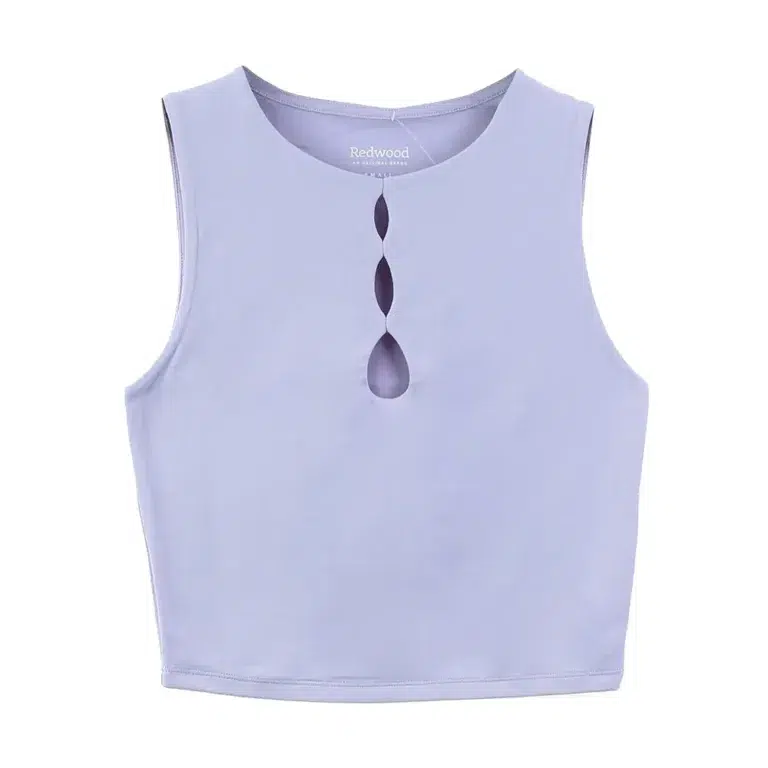
Tank tops should typically be replaced every 6–12 months for heavy use or 1–3 years for casual wear. You should change them sooner if they develop persistent odors, lose their shape, fade noticeably, or show visible fabric damage.
Because tank tops sit directly against the skin, they absorb sweat, oils, and bacteria more quickly than other clothing. Replacing them at the right time helps maintain hygiene, comfort, and a clean appearance.
Key Takeaways
- Replace tank tops when they develop odors, lose shape, or show visible wear
- Heavy-use tank tops last 6–12 months, casual ones 1–3 years
- Wash after every wear to prevent bacteria buildup
- Gentle washing and air drying can extend lifespan
- Rotate multiple tank tops to reduce wear
How Often to Replace Tank Tops by Usage
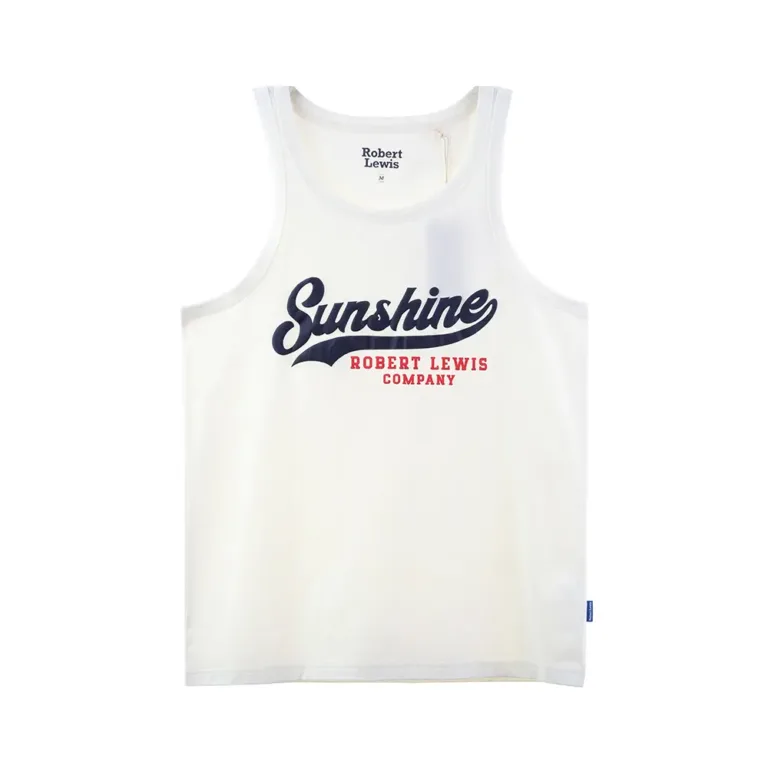
Different usage scenarios affect how quickly tank tops wear out. The more frequently they are worn and washed, the shorter their lifespan.
Casual Wear
Casual tank tops should typically be replaced every 1–2 years. Since they are worn in low-intensity settings, they experience slower wear compared to activewear.
However, factors like frequent washing, sun exposure, and fabric quality can shorten their lifespan. Rotating multiple tank tops can help reduce wear on any single piece.
Gym & Athletic Wear
Workout tank tops usually need replacement every 6–12 months due to heavy sweating, repeated washing, and constant stretching during movement.
Performance fabrics are designed for durability, but sweat, body oils, and detergent buildup gradually break down fibers and reduce elasticity over time.
For frequent gym users (3–5 times per week), replacement may be needed closer to the 6-month mark.
Layering (Undershirts)
Undershirt tank tops typically last 1–3 years, depending on how often they are worn and washed.
Because they are worn directly against the skin and absorb sweat daily, they experience hidden wear even if they still look intact. Frequent laundering and friction under outer garments can gradually weaken the fabric.
If worn daily (e.g., under work shirts), expect a shorter lifespan closer to 1–2 years.
Sleepwear
Sleep tank tops generally last 1–2 years with regular use. While they undergo less physical stress, frequent washing and softer fabric types make them more prone to gradual thinning.
Soft cotton or modal fabrics may feel comfortable but can lose structure faster over time. Rotating multiple sleepwear pieces helps maintain fabric quality and extend lifespan.
Signs It’s Time to Replace Your Tank Tops
Even if your tank tops haven’t reached their expected lifespan, certain signs clearly indicate it’s time to replace them.
Loss of Shape and Elasticity
Over time, repeated washing and stretching break down the fabric’s elasticity. This results in:
- Loose shoulder straps
- Stretched necklines
- Sagging or misshapen fabric
Once a tank top no longer holds its original fit, it loses both support and visual appeal.
Persistent Odors After Washing
If a tank top still smells after being properly washed, bacteria may be trapped deep within the fibers—especially in synthetic or blended fabrics.
This is common in gym wear and indicates that the fabric can no longer be fully cleaned, making replacement necessary for hygiene reasons.
Visible Fabric Wear and Structural Damage
Physical damage is one of the clearest signs of wear. Look for:
- Thinning or see-through areas
- Pilling on the surface
- Frayed edges or loose stitching
- Small holes that expand over time
These issues indicate that the fabric structure is weakening and will continue to deteriorate.
Fading and Discoloration
Over time, repeated washing, sweat, and sun exposure cause colors to fade and fabrics to discolor.
Common signs include:
- Washed-out appearance
- Yellowing in underarm areas
- Uneven color patches
While still wearable, heavily faded garments often look worn and outdated.
Reduced Comfort or Skin Irritation
As fabrics age, they can become rough, stiff, or less breathable. This may lead to:
- Skin irritation or itching
- Reduced softness
- Poor moisture absorption
If a tank top no longer feels comfortable against the skin, it’s a strong signal that it has reached the end of its usable life.
What Affects Replacement Frequency?
Several key factors determine how often you need to replace your tank tops.
Fabric Type
Fabric plays a major role in durability, comfort, and resistance to wear.
| Fabric Type | Key Characteristics | Lifespan Impact |
|---|---|---|
| Cotton | Soft, breathable | Wears out faster with frequent washing |
| Polyester Blend | Durable, shape-retaining | Longer lifespan |
| Performance Fabrics | Moisture-wicking | Durable but may retain odors |
Higher-quality fabrics and tighter weaves generally last longer with proper care.
Usage and Activity Level
How often and how intensely you wear your tank tops directly affects their lifespan.
- Frequent use → faster stretching and wear
- High-intensity activity → more sweat and washing
- Occasional wear → significantly longer lifespan
Rotating multiple tank tops helps reduce stress on individual pieces.
Washing and Care Habits
Washing and care habits have a direct impact on how quickly tank tops wear out and need to be replaced.
Frequent washing, especially with high heat, harsh detergents, or aggressive cycles, can break down fabric fibers, reduce elasticity, and cause fading. Over time, this leads to faster deterioration and shorter replacement cycles.
On the other hand, gentler care practices—such as using cold water, mild detergents, and low heat—help preserve fabric structure and extend the lifespan of tank tops.
In general:
- Harsh washing → faster fiber damage → more frequent replacement
- Gentle care → slower wear → longer lifespan
Climate and Environment
Climate and environmental conditions can significantly accelerate how quickly tank tops wear out and need to be replaced.
- Hot and humid climates increase sweat production, which leads to more frequent washing. Repeated exposure to sweat, body oils, and detergents gradually weakens fabric fibers, causing faster stretching, odor buildup, and reduced lifespan.
- High humidity also creates an environment where bacteria and mold can thrive, making odors harder to remove and increasing the likelihood of early replacement.
- Strong sunlight and UV exposure break down fabric dyes and fibers over time. This results in fading, discoloration, and reduced fabric strength—especially for darker colors and natural fibers like cotton.
- Frequent outdoor use exposes tank tops to friction, dust, and environmental pollutants, which can further accelerate fabric wear.
How to Make Tank Tops Last Longer
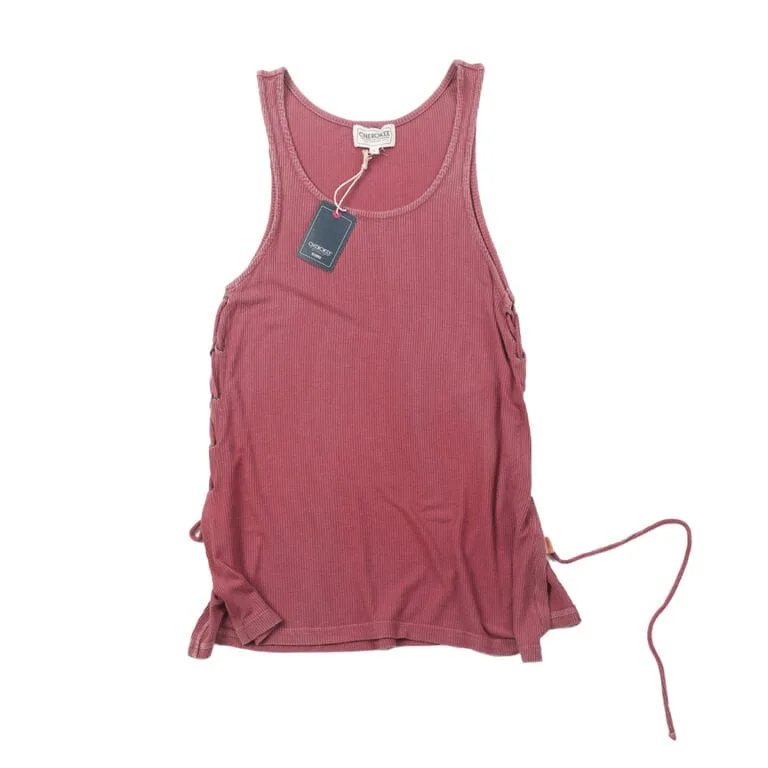
Proper Washing and Drying
Using the right washing and drying methods can significantly extend the life of your tank tops. Washing in cold water helps prevent shrinkage and fading, while mild detergents protect the fabric from unnecessary damage. Avoiding fabric softeners preserves breathability and elasticity, and air-drying—or using low heat when necessary—reduces fiber breakdown caused by high temperatures. Together, these practices help maintain both the appearance and durability of your garments over time.
Storage and Rotation Tips
| Practice | Benefit |
|---|---|
| Folding instead of hanging | Prevents stretching |
| Rotating wardrobe | Reduces wear on individual pieces |
| Proper spacing | Minimizes fabric stress |
| Avoiding sunlight | Prevents fading |
Basic Repairs and Maintenance
Simple, timely maintenance can significantly extend the lifespan of your tank tops. Trimming loose threads early helps prevent unraveling, while treating stains promptly stops them from setting into the fabric. Repairing small holes before they expand preserves the garment’s structure, and removing pilling can restore a smoother, like-new appearance. These small efforts reduce overall fabric deterioration and delay the need for replacement.
Conclusion
Tank tops should be replaced based on their condition rather than a fixed schedule. Gym and high-use tank tops may need replacing every 6–12 months, while casual and layering pieces can last 1–3 years with proper care.
If your tank tops develop odors, lose shape, or show visible damage, it’s time for a replacement. With good washing habits and proper rotation, you can extend their lifespan and keep them comfortable and fresh.
FAQ
How long does a tank top usually last?
Most tank tops last between 6 months and 2 years, depending on how often they are worn and how well they are cared for.
Should you wash tank tops after every wear?
Yes. Because they sit directly against the skin, tank tops should be washed after each use, especially after sweating.
What causes tank tops to wear out quickly?
Frequent washing, sweat, high heat drying, and fabric quality all contribute to faster wear and tear.
Can you make tank tops last longer?
Yes. Washing in cold water, avoiding high heat, rotating your wardrobe, and proper storage can significantly extend their lifespan.
How do you know when it’s time to replace a tank top?
Replace it when it has persistent odors, stretched fabric, fading, or visible damage such as holes or thinning material.