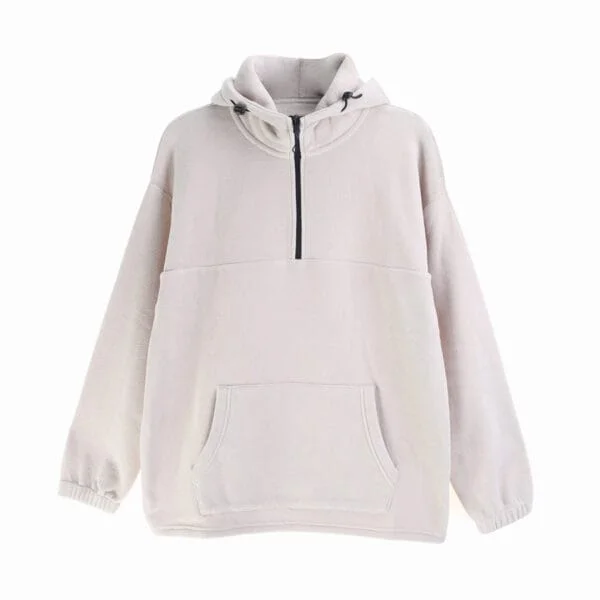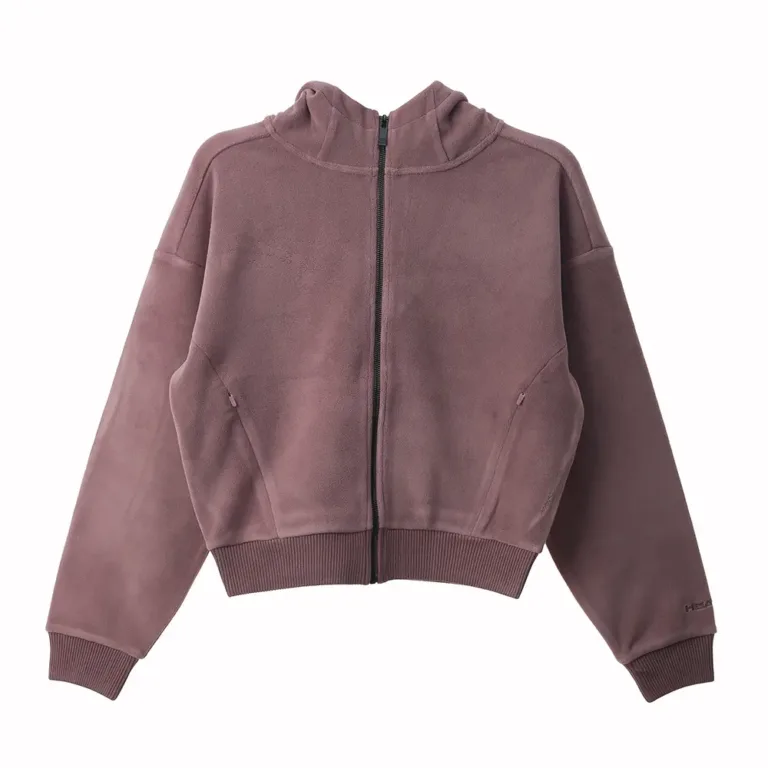
Pilling leaves hoodies looking worn and aged, but textile care experts offer effective solutions to keep fabrics smooth and fresh.
- Minimize fabric friction to prevent pilling
- Choose pill-resistant materials for longer-lasting wear
- Opt for high-quality pieces like NOIHSAF sweatshirts
- Follow care instructions strictly to protect fabric integrity
These simple steps keep hoodies in great condition for years.
Key Takeaways
- Select pill-resistant fabrics with tight knits and long-staple natural fibers to maintain a like-new appearance.
- Wash hoodies inside out using gentle cycles to reduce friction.
- Remove pills safely with a fabric shaver or light razor strokes to avoid fabric damage.
- Rotate your hoodies to reduce frequent wear and tear.
- Spot clean stains immediately to avoid unnecessary washing.
What is Fabric Pilling on Hoodies
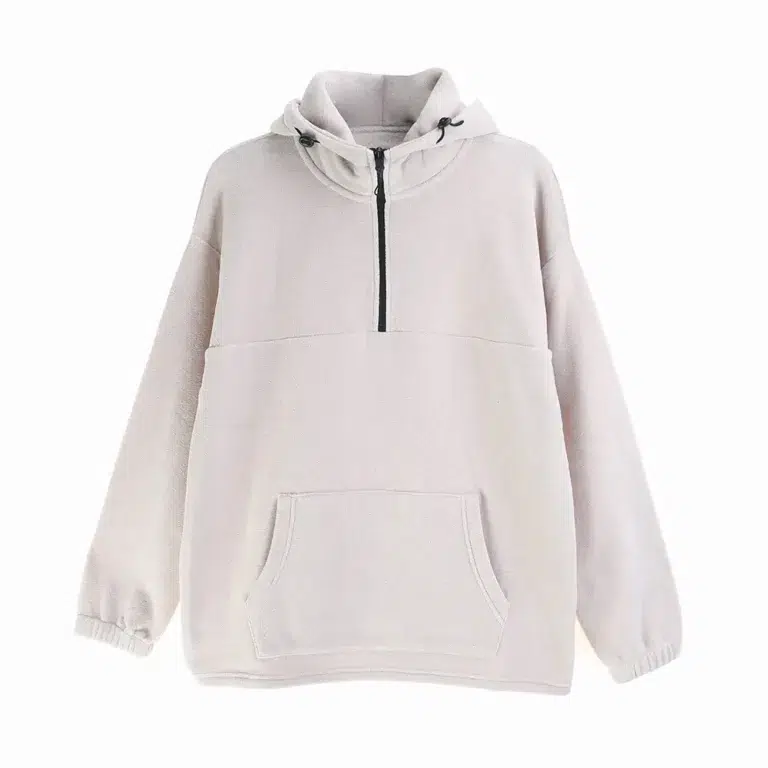
Fabric pilling means small fuzz balls show up on hoodies. These balls form after you wear and wash your hoodie many times. Pilling makes clothes look old and not as nice. Many people see pilling on hoodies because the soft fabric rubs on things.
Why Pilling Occurs
Pilling occurs when loose surface fibers break away from the fabric, tangle together, and form small fuzzy balls. This process is driven by a few key mechanisms:
- Fiber abrasion: Regular movement, friction from bags, seating, or daily wear pulls fibers loose.
- Washing machine friction: Agitation and rubbing against other clothes weakens and detaches fibers.
- Short fiber shedding: Shorter fibers cannot hold tightly, so they escape and clump into pills more easily.
- Heat damage: High temperatures from dryers make fibers brittle and more likely to break.
- Weak surface binding: Poor finishing allows fibers to lift from the fabric easily.
In short, pilling is a natural result of fiber loss + friction + tangling.
Tip: Turn your hoodie inside out before washing to reduce friction on the outer surface.
Fabrics Prone to Pilling
Some fabrics are inherently more likely to pill because of their material and construction. Below are the most high-risk types:
| Factor | Prone to Pilling | More Resistant |
|---|---|---|
| Fiber length | Short fibers (cheap polyester) | Long, continuous fibers |
| Yarn structure | Loosely twisted yarns | Tightly twisted compact yarns |
| Fabric type | Knitted fabrics | Woven fabrics |
| Material | Polyester, synthetic blends | Cotton, linen, silk |
| Surface | Soft, brushed fabrics | Smooth, compact surfaces |
To avoid pilling, choose hoodies made from long fibers, tight knits, woven structures, or high-quality natural/synthetic blends.
How to Remove Pilling from Hoodies
Pilling can make a hoodie look old, but there are safe ways to remove it. People can use tools or simple items at home to make their sweatshirts look smooth again.
Using a Fabric Shaver
A fabric shaver is a small device that gently cuts away pills from the surface of a hoodie. Many people use a fabric shaver because it works quickly and covers a large area. The Homeasy fabric shaver, for example, has six blades and works well on most fabrics, especially synthetics. It is rechargeable and easy to maintain.
| Feature | Fabric Shaver (Homeasy) | Other Methods |
|---|---|---|
| Effectiveness | High | Varies |
| Speed of Use | Fast | Slower |
| Blade Count | 6 | Typically 3 |
| Coverage Area | Wide | Narrower |
| Maintenance | Low (rechargeable) | High (batteries needed) |
| Suitable Fabrics | Most, especially synthetics | Limited (depends on method) |
Tip: Always test the fabric shaver on a small, hidden part of the hoodie first. Start with light pressure and move in circles. Do not use the shaver on very delicate or rough fabrics.
Manual Razor Techniques
A manual razor can also remove pilling from hoodies. People should use a clean, sharp razor and work slowly. Fabric shavers are usually more efficient, but a razor can help in small areas. Careful handling is important to avoid holes or damage.
Steps to use a manual razor:
- Place the hoodie on a flat surface.
- Pull the fabric tight.
- Hold the razor flat against the fabric.
- Gently shave the pills away in short, smooth strokes.
- Brush away the fuzz with your hand.
Manual razors work best for small spots. They require more time and care than a fabric shaver.
Lint Roller and Tape Hacks
A lint roller or sticky tape can help remove lint from clothes and pick up loose fuzz. These tools do not cut the pills but can lift them off the surface. People can use a lint roller after shaving or shaving to collect any leftover fuzz.
How to use tape or a lint roller:
- Press the sticky side against the pilled area.
- Lift the tape or roller to pull away the fuzz.
- Repeat until the area looks clean.
This method works best for light pilling or as a finishing step after other removal methods.
How to Prevent Pilling on Hoodies
Choosing Durable Fabrics
If you want to stop pilling, pick strong fabric. Tight knits are better than loose knits. Woven fabrics pill less than knitted ones. Silk and linen do not pill much. Blends made with good materials last longer. Long fibers help keep sweatshirts smooth. Curly fibers make fewer fuzz balls than straight fibers. New clothes may pill more because they have extra fibers.
- Tight knits help stop pilling.
- Woven fabrics pill less than knitted ones.
- Silk and linen are good for avoiding pilling.
- Long fibers keep hoodies smooth.
- Good blends resist pilling.
NOIHSAF uses special treatments to make hoodies pill less. The table shows how NOIHSAF improves fabric quality:
| Treatment Type | Purpose |
|---|---|
| Anti-pilling | Stops pills from forming on fabric |
| Dehairing | Makes the fabric surface smoother |
| Silicon Wash | Makes fabric soft and lowers friction |
| Yarn Dye/Space Dye | Keeps color bright and looking good |
| Enzyme Wash | Removes extra fibers to stop pilling |
| Brushing | Makes fabric feel softer |
Washing Hoodies Inside Out
Turn hoodies inside out before washing to stop pilling. Studies show hoodies washed inside out develop significantly less fuzz after repeated washes. Turning the garment inside out protects the outer fabric surface from direct friction and agitation, which greatly reduces pilling.
This effective method works equally well in both front-loading and top-loading washing machines, helping keep your hoodie smooth and new-looking.
Using Mild Detergents
Mild detergents help stop pilling. Pilling happens because of rubbing, and gentle soap lowers this. Sort laundry by texture and do not mix soft hoodies with rough fabrics. Use a gentle cycle to protect fabric and stop pilling.
Air Drying Your Hoodies
Air drying is a good way to stop pilling. Machine drying causes heat and rubbing, which makes pilling worse. Air drying is gentle and keeps fibers strong. If you use a dryer, pick low or no heat. High heat makes fibers weak and causes more pilling.
Note: Air drying helps hoodies last longer and keeps fabric smooth.
Avoiding Rough Fabrics in Wash
Washing hoodies with rough fabrics makes pilling worse. Rough items rub against soft hoodies and make fuzz balls. Wash hoodies with similar fabrics and avoid heavy things like towels or jeans. This helps stop pilling and keeps hoodies looking nice.
Long-Term Care to Prevent Pilling
Spot Cleaning Instead of Frequent Washing
Frequent washing is one of the main causes of pilling, as it creates constant fiber friction. Instead of washing the entire hoodie for small stains, spot clean immediately with a mild detergent and damp cloth.
This reduces the number of wash cycles, protects surface fibers, and keeps pilling to a minimum. Always check the care label before using any cleaning product.
Rotating Hoodies to Reduce Wear
Wearing the same hoodie daily leads to continuous friction and fiber loss, speeding up pilling. By rotating multiple hoodies, you give each garment time for fibers to recover and relax.
Less frequent wear means less abrasion, which directly helps maintain a smooth, pill-free surface over time.
Early Repair of Snags to Stop Pilling
Loose snags and pulled threads are a common source of pilling—exposed fibers easily clump together to form fuzz balls.
Repairing snags at an early stage prevents loose threads from rubbing, breaking, and creating pills. Never pull snagged fibers; gently adjust them back into the fabric to maintain a tight, smooth surface.
Conclusion
Pilling is a common issue that ages hoodies, yet it can be significantly reduced with the right knowledge and habits. Choosing high-quality, pill-resistant fabrics with tight knits and long fibers is the first line of defense, while proper washing, drying and storage further protect fabrics from unwanted friction.
Safe and gentle pilling removal can restore a hoodie’s smooth appearance without causing damage. With consistent care and premium construction, hoodies can stay neat and durable for years. Brands like NOIHSAF integrate anti-pilling technologies and thoughtful fabric treatments, offering long-lasting pieces that maintain their look and comfort.
FAQ
What causes pilling on hoodies?
Pilling is caused by loose fibers breaking free from the fabric and tangling into small fuzzy balls, mainly due to frequent friction from wearing and washing. Short fibers, loose knits and synthetic blends are more likely to produce pills.
Can pilling on hoodies be completely stopped?
Total pilling prevention is nearly impossible, but you can greatly reduce it by choosing pill-resistant fabrics, washing hoodies inside out and using gentle laundry cycles. Brands like NOIHSAF also use professional anti-pilling treatments for better performance.
What’s the safest way to remove pilling from hoodies?
A fabric shaver is the safest and most efficient tool. Always test it on a hidden area first and use light pressure. For small areas, a clean razor works with gentle strokes, while lint rollers can tidy up loose fuzz.
How to wash hoodies to prevent pilling?
Turn hoodies inside out, use mild detergent and a gentle wash cycle. Place them in a mesh laundry bag, avoid mixing with rough fabrics like jeans, and opt for air drying instead of high-heat machine drying.
How often should I wash my hoodie to reduce pilling?
Wash hoodies only when necessary. Use spot cleaning for small stains to cut down on wash times, as frequent laundering accelerates fiber abrasion and pilling.