If you’ve ever been caught in a sudden rainstorm wearing a jacket that claimed to be “water-resistant” only to end up soaked, you know how confusing the difference between waterproof and water-resistant can be.
Is a polyester spandex jacket waterproof? The answer depends on its fabric construction and the treatments used.
Polyester spandex jackets are known for their stretch, comfort, and durability, but their ability to keep you dry can vary. This article explains how waterproof polyester really is, what makes a jacket truly waterproof, and how to choose the right one for your needs.
Key Takeaways
- Waterproof ≠ water-resistant: Waterproof jackets block all water; water-resistant only stops light rain and splashes
- A hydrostatic head rating of 1,500mm+ is required for true waterproof performance
- Polyester is naturally water-resistant but needs coatings/laminates to be fully waterproof
- DWR (Durable Water Repellent) finishes make water bead up and roll off fabric
- Re-treat your jacket every 6–12 months to maintain waterproof performance
- Always check product labels for waterproof ratings and certifications
- NOIHSAF offers custom waterproof polyester spandex jackets for every activity
Waterproof vs. Water-Resistant Explained
Is a Polyester Spandex Jacket Waterproof?
No, a standard polyester spandex jacket is not fully waterproof. Polyester is naturally hydrophobic (water-repellent), meaning it absorbs very little water and will bead up light rain. However, water will eventually seep through the fabric during heavy rain or prolonged exposure. Spandex adds stretch and comfort but does not improve waterproof performance.
To be truly waterproof, a polyester spandex jacket requires special treatments like PU coatings or laminated membranes, plus sealed seams to prevent leaks through stitches.
Waterproof vs. Water-Resistant: What’s the Difference?
This is the most common confusion when buying outerwear. The table below explains the key differences:
| Feature | Waterproof | Water-Resistant |
|---|---|---|
| Definition | Blocks all water, even under pressure | Slows water penetration but does not stop it completely |
| Hydrostatic Head | ≥1,500mm | <1,500mm |
| Best For | Heavy rain, snow, outdoor work | Light rain, short trips, everyday use |
| Breathability | Lower (varies by technology) | Higher, more comfortable for active use |
| Cost | More expensive | More affordable |
Important Note: Waterproof fabrics are less breathable than water-resistant ones. Look for jackets with high MVTR (Moisture Vapor Transmission Rate) ratings to stay comfortable during active use.
How Polyester Becomes Waterproof
Natural Water Repellency of Polyester
Polyester fibers have a low surface energy, which means water does not spread out on the fabric. Instead, it forms beads and rolls off. This makes plain polyester naturally water-resistant, but not waterproof.
Compared to other common fibers:
- Polyester absorbs 0.4% of its weight in water
- Nylon absorbs 4–8% of its weight in water
- Cotton absorbs 27% of its weight in water
Spandex in Jacket Blends
Clothing manufacturers blend polyester with 2-20% spandex to increase elasticity and flexibility.Spandex does not change polyester’s water-repellent properties, but it also does not make the jacket waterproof. The blend still requires additional treatments to block water fully.
Waterproof Treatments and Construction
There are three main ways manufacturers make polyester jackets waterproof:
- Coatings: Thin layers of PU (polyurethane) or PE (polyether urethane) applied to the back of the fabric create a waterproof barrier
- Laminates: Membranes like Gore-Tex are bonded to the fabric, providing both waterproofing and breathability
- Seam Sealing: Tapes are applied to all stitched seams to prevent water from leaking through the holes
NOIHSAF uses advanced PFC-free waterproof coatings that are safe for both people and the environment. All our fabrics are certified by Bluesign and OEKO-TEX, ensuring they meet the highest standards for sustainability and safety.
DWR Finishes
Almost all waterproof and water-resistant jackets have a DWR (Durable Water Repellent) finish applied to the surface. This finish makes water bead up and roll off the jacket, preventing the fabric from becoming saturated.
DWR finishes wear off over time, especially after washing or heavy use. You can refresh the finish with spray-on or wash-in treatments every 6–12 months.
Choosing the Right Waterproof Jacket Material
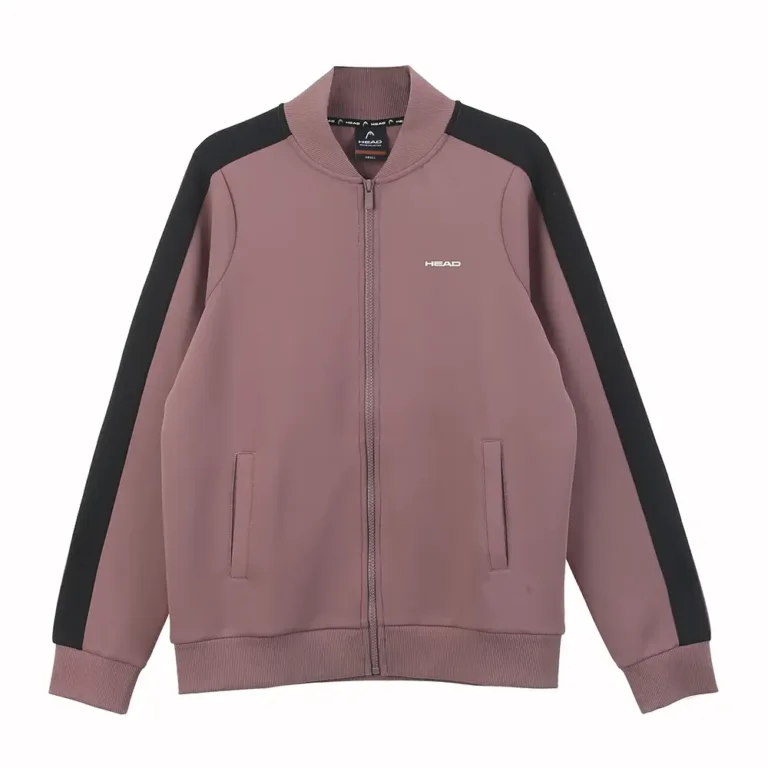
Polyester Spandex vs. Other Jacket Materials
| Fabric | Water Resistance | Breathability | Durability | Stretch | Best For |
|---|---|---|---|---|---|
| Polyester Spandex | Good (with treatment) | Good | High | Excellent | Sports, everyday wear, hiking |
| Nylon | Good | Very Good | Medium | Good | Lightweight jackets, windbreakers |
| Cotton | Poor | Excellent | Low | Fair | Casual wear, mild weather |
| Wool | Fair | Good | Medium | Poor | Cold weather, casual wear |
Polyester spandex offers the best balance of water resistance, stretch, durability, and comfort for most activities.
How to Choose a Waterproof Polyester Jacket
When shopping for a waterproof polyester spandex jacket, look for these key features:
| Feature | What to Look For |
|---|---|
| Waterproof Rating | 1,500mm+ for everyday use; 10,000mm+ for heavy rain |
| Seam Construction | Fully taped seams for complete waterproof protection |
| Breathability | High MVTR rating (10,000g/m²/24h+) for active use |
| DWR Finish | Durable, PFC-free options available |
| Additional Features | Pit zips for ventilation, adjustable cuffs and hem |
Pro Tip: Always try on the jacket with the layers you plan to wear underneath. A jacket that fits perfectly over a t-shirt may be too tight over a thick sweater.
NOIHSAF offers fully customizable polyester spandex jackets. You can choose your preferred waterproof rating, fabric type, seam style, and additional features to create the perfect jacket for your needs. Our team responds to all inquiries within 8 hours to help you find the right solution.
Conclusion
So, is a polyester spandex jacket waterproof? The answer is: it depends. A standard polyester spandex jacket is naturally water-resistant but not fully waterproof. To be truly waterproof, it needs special coatings or laminates and a hydrostatic head rating of at least 1,500mm.
When choosing a waterproof jacket, look for high waterproof ratings, fully taped seams, and breathable fabrics. NOIHSAF offers custom polyester spandex jackets with a range of waterproof options, from light water-resistant finishes to heavy-duty waterproof laminates. Whether you need a jacket for everyday wear or outdoor adventures, we have the perfect solution for you.
FAQ
Is a polyester spandex jacket good for heavy rain?
A standard polyester spandex jacket is only good for light rain. For heavy rain, choose a jacket with a waterproof rating of 10,000mm+ and fully taped seams.
How can I tell if a jacket is waterproof?
Check the product label for a hydrostatic head rating of 1,500mm or higher, and look for mentions of taped seams and waterproof coatings or laminates.
Does washing remove the waterproof coating?
Washing will gradually wear away the DWR finish. Use gentle detergent and re-treat the jacket every 6–12 months to maintain waterproof performance.
Can I customize the waterproof features with NOIHSAF?
Yes. NOIHSAF offers fully customizable jackets, including different waterproof coatings, fabric types, seam styles, and additional features. Our team will help you choose the right options for your needs.
How often should a jacket get re-treated for water resistance?
Most jackets need re-treatment every 6–12 months. If water stops beading up on the surface of your jacket, it’s time to refresh the DWR finish.