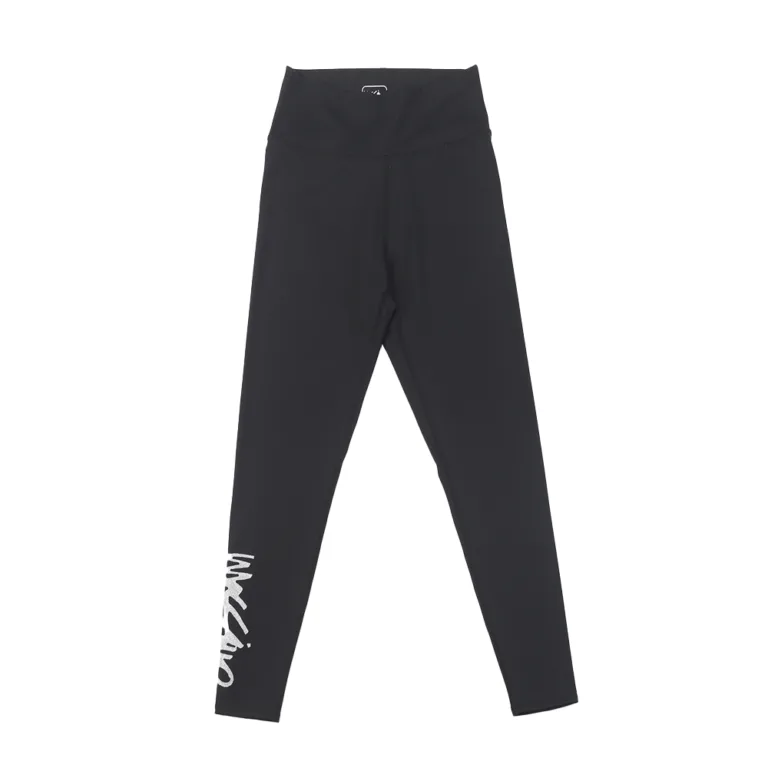
Nylon and spandex are excellent choices for making leggings. Nylon has a smooth, silky feel, while spandex gives leggings elasticity and flexibility. Many people love their soft, comfortable feel, making them perfect for everyday wear. Leggings made from a nylon and spandex blend are resistant to deformation and wear. Spandex allows the leggings to move with the body, while nylon ensures the fabric’s strength and durability. People choose this blend because it is both comfortable and performs exceptionally well.
Key Takeaways
- Nylon and spandex blends feel soft and comfy. They are good for daily wear and exercise. These materials stretch well and bend easily. You can move your body in many ways when you work out.
- Leggings made from nylon and spandex are strong. They last a long time and keep their shape after many washes.
- Leggings are breathable and sweat-wicking, and the nylon and spandex blend fabric also has good sweat-wicking properties, but may be warmer than pure cotton.
- Pick leggings based on what you plan to do. Nylon and spandex work well for sports. Organic cotton is better for relaxing or casual days.
Nylon and Spandex Benefits
Comfort and Softness
Nylon and spandex blends are incredibly soft and smooth to the touch. Many people say they feel both luxurious and comfortable. The smooth nylon fibers and spandex make the leggings feel like a second skin. This blend gives leggings a silky feel and makes them incredibly comfortable to wear.
Scientific research shows that nylon and spandex are the preferred fabrics for sportswear. These blends offer exceptional comfort, crucial for both casual and athletic wear. Nylon and spandex blends are softer and more durable than cotton and spandex blends. The table below compares these blends:
| Fabric Blend | Softness Rating | Durability | Recovery |
|---|---|---|---|
| Nylon and Spandex | High | High | Good |
| Cotton Spandex | Moderate | Low | Poor |
Stretch and Flexibility
The excellent elasticity of nylon and spandex blends is crucial for leggings. Most leggings contain 10% to 20% spandex, allowing for freedom of movement. This elasticity helps enhance the compression and flexibility of the leggings, making them ideal for yoga, running, and other sports.
Leggings often use nylon and spandex blends because they balance compression and freedom of movement. Spandex gives the fabric elasticity, while nylon adds softness and breathability. Together, they allow the leggings to conform to your body, helping you perform at your best.
Tip: Leggings with more spandex stretch and squeeze more, but blends with 15% to 20% spandex are best for activewear.
Durability for Leggings
When choosing leggings, durability is paramount. Nylon and spandex blends are strong, durable, and resistant to wear and tear. Nylon makes leggings more resilient, extending their lifespan. Spandex provides elasticity but is more prone to wear and tear, especially with frequent washing or exposure to high temperatures. Leggings with 70-80% nylon and 15-20% spandex are more durable. These fabrics are less prone to pilling, fading, or losing their softness, ensuring leggings remain comfortable and practical.
Fit and Shape Retention
Nylon and spandex blends are excellent for a snug fit and resist deformation. These fabrics provide a supportive fit, creating a streamlined silhouette. High-quality leggings retain their shape and color even after multiple washes. Spandex gives leggings excellent resilience, preventing them from sagging or losing their shape. Nylon helps the fabric maintain its strength and fit.
Many people choose nylon and spandex blends for their leggings because they want them to maintain their shape during intense exercise. This fabric combines elasticity and support, providing support for movement and a comfortable wearing experience.
NOIHSAF uses good nylon and spandex blends in tracksuits and leggings, so customers get comfy, strong, and high-performing clothes. Knowing about spandex helps people choose the right leggings for different needs.
Nylon and Spandex Drawbacks
Breathability Issues
Nylon and spandex blends are not very breathable. Cotton is more breathable, making it cooler to wear. Pure nylon completely blocks airflow, making leggings warmer. Newer leggings use mesh or special knitting techniques to promote airflow, making them more comfortable to wear during exercise. However, some people still find nylon and spandex less cool than cotton, which can lead to feeling stuffy in hot weather or during strenuous exercise. Those seeking ultimate coolness might opt for cotton leggings, but many still choose nylon and spandex for other reasons.
Moisture Management
Moisture control matters when you exercise in leggings. Nylon and spandex blends handle sweat better than cotton spandex. They pull sweat away from your skin and help it dry faster. This keeps you cooler and drier while moving. The table below shows how blends handle sweat and drying:
| Fabric Blend | Moisture-Wicking Effectiveness | Drying Speed |
|---|---|---|
| Polyester Spandex | Best | Dries incredibly fast |
| Nylon Spandex | Good, but slower than polyester | Quick-drying |
| Cotton Spandex | Poor | Dries very slowly |
Nylon and spandex leggings dry slower than polyester blends. When wet, they can feel heavy. Some people notice leggings take longer to dry after workouts. These blends manage sweat well but do not dry as fast as polyester. People who sweat a lot may want to think about this. Good moisture control keeps leggings comfy and fresh.
Environmental Concerns
Making nylon and spandex uses oil and lots of energy. This creates pollution and greenhouse gases. These materials do not break down fast, so old leggings stay in landfills. Washing nylon and spandex releases tiny plastic fibers into water. These fibers can hurt fish and animals. Some brands use recycled nylon or bio-based spandex to help the planet. NOIHSAF follows strict rules and uses eco-friendly ways. The company has ISO9001:2015 and ISO14001:2015 certificates. This shows they care about the environment.
Skin Sensitivity
Some people worry about skin problems with nylon and spandex leggings. These blends can cause irritation for sensitive skin. Safety tests and certifications help protect users.
OEKO-TEX® certification checks nylon and spandex leggings for over 1,000 harmful chemicals. It bans PFAS and other risky compounds. It tests the finished product, not just the raw materials.
NOIHSAF uses safe materials and follows strict safety rules. The company makes sure leggings are safe for all skin types. This helps people feel good about picking custom athletic clothes.
Ideal Breathable Legging Material
Choosing the Right Fabric
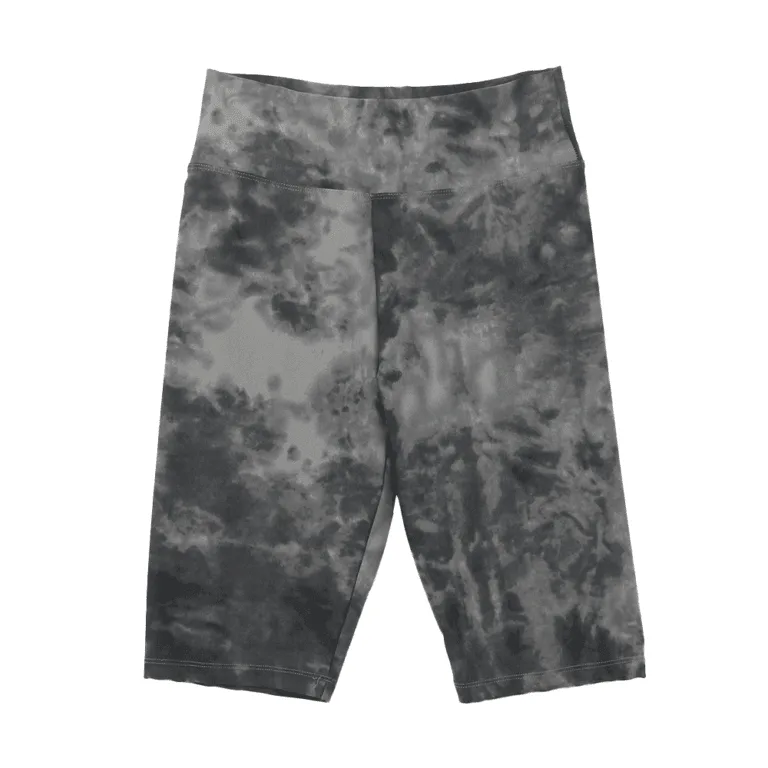
Choosing the right compression tights fabric depends on its breathability, absorbency, and comfort. Many people want their compression tights to keep them cool and dry during exercise. Experts say organic cotton is comfortable and breathable, absorbing sweat and keeping the skin dry. It’s soft against the skin and environmentally friendly, making it ideal for everyday wear.
Nylon and spandex blends are commonly used in sportswear. They are elastic, durable, and have excellent sweat-wicking properties. While these blends aren’t as breathable as cotton, they wick sweat away quickly. Polyester-spandex blends have the best sweat-wicking properties, followed by nylon-spandex blends. Cotton-spandex blends have poor sweat-wicking properties and dry more slowly.
The table below shows how common fabrics for leggings compare:
| Fabric | Pros | Cons |
|---|---|---|
| Nylon | Strong, light, dries fast, keeps shape | Not as airy, can shrink, not eco-friendly |
| Polyester | Cheap, does not wrinkle, dries fast | Not as airy, can smell bad |
| Organic Cotton | Soft, good for the planet, soaks up sweat | Not as strong, wrinkles, can shrink |
People who want the best yoga pants or leggings for hot yoga and cardio often pick nylon or polyester blends. These blends work well for tough workouts and keep sweat away. If you care about comfort and the planet, organic cotton is the best breathable legging material.
NOIHSAF gives expert help for picking fabrics for tracksuits and leggings. Their team helps customers choose the best fabric for leggings based on what they do and what they like.
Activities and User Needs
Different activities need different leggings. For yoga, Pilates, and barre, leggings must stretch and move with you. Nylon and spandex blends are good for these because they help you bend and handle sweat. Gym training, dance, and weightlifting also need leggings that handle sweat and keep their shape. Many people wear leggings for comfort and style every day.
What people need changes what fabric they pick for leggings. About 70% of buyers want comfort first. They look for leggings that breathe, stretch, and handle sweat.
People who sweat a lot or do hard workouts should pick leggings that handle sweat well. Polyester spandex and nylon spandex blends are best for performance and sweat control. For daily wear or easy exercise, organic cotton is soft and lets air in.
NOIHSAF helps each customer find the best leggings for their activities. Their experts suggest fabrics that fit how you move, feel, and handle sweat.
FAQ
What makes nylon and spandex leggings popular?
Nylon and spandex leggings feel soft and stretch a lot. Athletes pick them for workouts. These materials help leggings keep their shape. They fit well and feel comfy. People like them for yoga, running, and daily use.
Are spandex leggings good for high-intensity exercise?
Spandex leggings stretch and bounce back easily. They move with your body during hard exercise. Trainers suggest spandex blends for gym time. These leggings support muscles and do not squeeze too much. Users feel more comfortable and do better.
How do spandex leggings compare to cotton leggings?
Spandex leggings stretch more than cotton ones. Cotton feels soft but loses its shape fast. Spandex blends last longer and fit better. Athletes like spandex for flexibility. Cotton leggings are good for casual wear but do not last for sports.
Can people with sensitive skin wear spandex leggings?
Most spandex leggings pass safety checks. Brands use certifications to keep skin safe. Some people may feel itchy or irritated. They should look for OEKO-TEX® labels. Spandex blends from trusted brands are safer for sensitive skin.
How should users care for spandex leggings?
Wash spandex leggings in cold water. Do not use hot water or strong soap. Air drying keeps them stretchy and soft. Good care helps leggings last longer. Always check the care label for best results.