If you’ve ever been hiking and ended up either freezing cold or sweating through your clothes, you know how important the right fit is. A fleece that’s too baggy lets cold air seep in, while one that’s too tight restricts movement and traps sweat against your skin.
In this complete guide, we’ll break down the differences between snug-fitting and loose fleece jackets, help you choose the right one for your activities, and show you exactly how to find the perfect fit.
Key Takeaways
- A snug-fitting fleece traps body heat effectively and works best as a midlayer for cold weather
- A loose-fitting fleece offers better breathability and comfort for casual wear and mild temperatures
- Choose your fit based on your primary activity: snug for sports, loose for everyday use
- Always try on fleece with the base layers you plan to wear underneath
- Consider the climate and layering needs when making your decision
- NOIHSAF offers custom fleece options in both fits for every activity and preference
General Principles of Fleece Fit
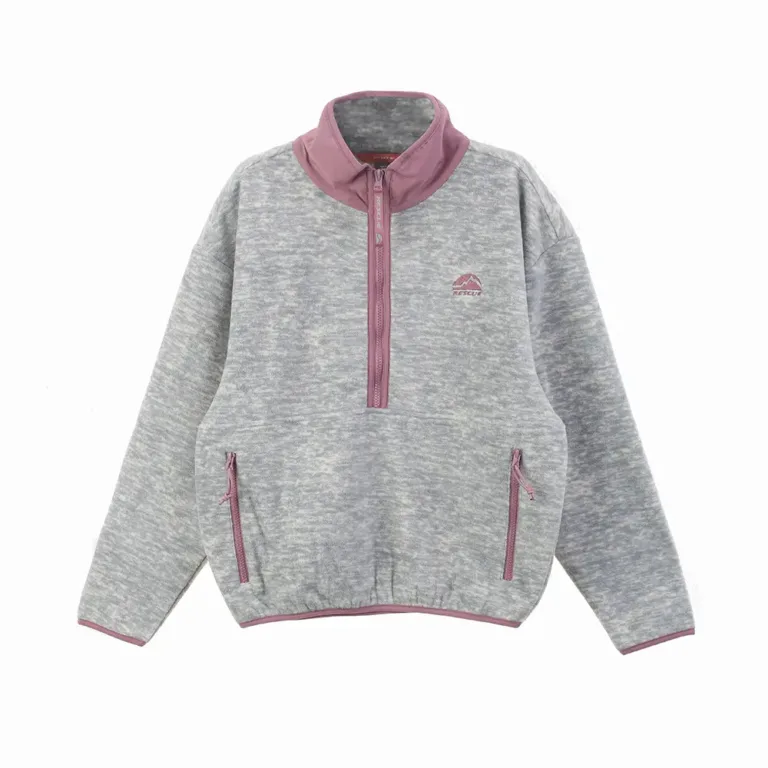
Before comparing snug and loose styles, it’s important to understand the basics of how a fleece should fit. Outdoor gear experts agree that the ideal fleece:
- Covers your belly completely when you lift your arms
- Allows full range of motion in the shoulders and elbows
- Does not bunch up around the hips or waist
- Has enough room for your intended base layers
- Features a longer back hem to keep your lower back warm
Fleece comes in different weight categories, each designed for specific conditions:
| Weight Category | Description | Recommended Use |
|---|---|---|
| 100 weight | Lightweight, highly breathable | Summer hiking, cool mornings, high-intensity activities |
| 200 weight | Versatile, balanced warmth | 3-season hiking, everyday wear, most outdoor adventures |
| 300 weight | Heavyweight, maximum insulation | Winter camping, cold-weather mountaineering, low-activity use |
Different fabric technologies also affect fit and performance:
- Grid fleece: Breathable and fast-drying, designed to wick moisture away from skin
- Alpha Direct & Octa: Ultra-lightweight insulation that traps heat without bulk
- Ribbed fleece: Stretchy and form-fitting, ideal for active movement
- High-pile fleece: Thick and fluffy, provides maximum warmth for cold conditions
Snug vs Loose Fleece: What’s the Difference?
What Is a Snug-Fitting Fleece?
A snug-fitting fleece sits close to your body without feeling restrictive or uncomfortable. It wraps gently around your arms, chest, and torso, creating a thermal barrier that traps body heat. This fit is designed to be worn as a midlayer (the layer between your base shirt and outer jacket) in cold weather.
The close fit prevents cold air from getting in and allows you to add additional layers on top without bulk. Snug fleece is perfect for high-intensity activities like hiking, running, or climbing, where freedom of movement is essential.
What Is a Loose-Fitting Fleece?
A loose-fitting fleece has a relaxed, roomy cut that hangs away from your body. It leaves extra space around the arms and torso, allowing for better air circulation. This style is designed to be worn as an outer layer in mild weather or over thick base layers in colder conditions.
Loose fleece offers maximum comfort and is ideal for casual wear, relaxing at home, or low-intensity activities. The extra room makes it easy to put on and take off, and it accommodates a wider range of body shapes and sizes.
Pro Tip: When choosing between fits, always prioritize your primary use case. A snug fit will keep you warmer during active pursuits, while a loose fit will be more comfortable for everyday wear.
Benefits of Each Fit Type
Warmth and Insulation (Snug Fit)
A snug-fitting fleece is significantly warmer than a loose one because it traps heat directly against your body. The close contact also helps with moisture wicking, pulling sweat away from your skin to keep you dry.
Key benefits of a snug fit:
- Traps body heat more effectively
- Prevents cold air from circulating inside the jacket
- Layers smoothly under outer shells without bulk
- Supports muscle movement during sports
- Reduces wind penetration
Grid fleece works especially well in a snug fit, as the raised grid pattern creates air pockets that trap heat while allowing moisture to escape.
Breathability and Airflow (Loose Fit)
A loose-fitting fleece offers superior breathability thanks to the extra space between the fabric and your body. This allows hot air and sweat to escape, preventing overheating during mild weather or low-intensity activities.
Key benefits of a loose fit:
- Better air circulation keeps you cool
- More comfortable for extended wear
- Easy to layer over thick sweaters or hoodies
- Accommodates body movement without restriction
- More forgiving fit for different body shapes
Comfort, Movement, and Layering
Both fits have unique advantages when it comes to comfort and layering:
| Fit Type | Comfort Benefits | Layering Advantages |
|---|---|---|
| Snug | No bunching or riding up during movement | Perfect midlayer under jackets and shells |
| Loose | Relaxed, non-restrictive feel | Can be worn as an outer layer or over thick clothes |
Choosing the Right Fit for Your Activity
Hiking and Outdoor Adventures
For hiking and other active outdoor pursuits, the best fit depends on your activity level:
- High-intensity hiking: Choose a snug, stretchy fleece that moves with your body
- Leisurely walks: A looser fit will be more comfortable for slower-paced activities
Your fleece should fit easily under your rain jacket or shell without feeling bulky. Look for styles with articulated elbows and stretch fabric for maximum mobility.
Running and Sports
Athletes need a snug-fitting fleece that supports movement and wicks moisture effectively. The close fit prevents the fabric from flapping or bunching up during high-speed activities. Look for lightweight 100-weight fleece with spandex blends for extra stretch.
Casual and Everyday Wear
For daily use, a loose-fitting fleece is the most popular choice. It’s soft, comfortable, and easy to throw on over jeans or leggings. Many people prefer a slightly oversized fit for a relaxed, casual look.
Indoor vs Outdoor Use
- Outdoor: Prioritize warmth and weather resistance with a snug or medium fit
- Indoor: Choose a lightweight, loose fleece for maximum comfort and breathability
Factors That Affect Your Choice
Personal Preference
Everyone has different ideas about what feels comfortable. Some people prefer the secure, supportive feel of a snug fleece, while others enjoy the relaxed, roomy fit of a loose style. The best fleece is one that you feel confident and comfortable wearing.
Climate and Weather
Weather is the biggest factor in choosing the right fit:
- Cold climates: A snug fit traps heat close to your body and works best with a layered system
- Mild/warm climates: A loose fit allows better air circulation and prevents overheating
- Wet/humid conditions: Choose a breathable, fast-drying fleece in either fit
Layering Needs
Consider what you’ll be wearing under and over your fleece:
- If you’ll be wearing only a thin base layer, you can size down for a snugger fit
- If you plan to wear thick sweaters or hoodies underneath, size up for a looser fit
- Make sure your fleece fits comfortably under your outer jacket without restricting movement
How to Choose the Right Fleece Fit
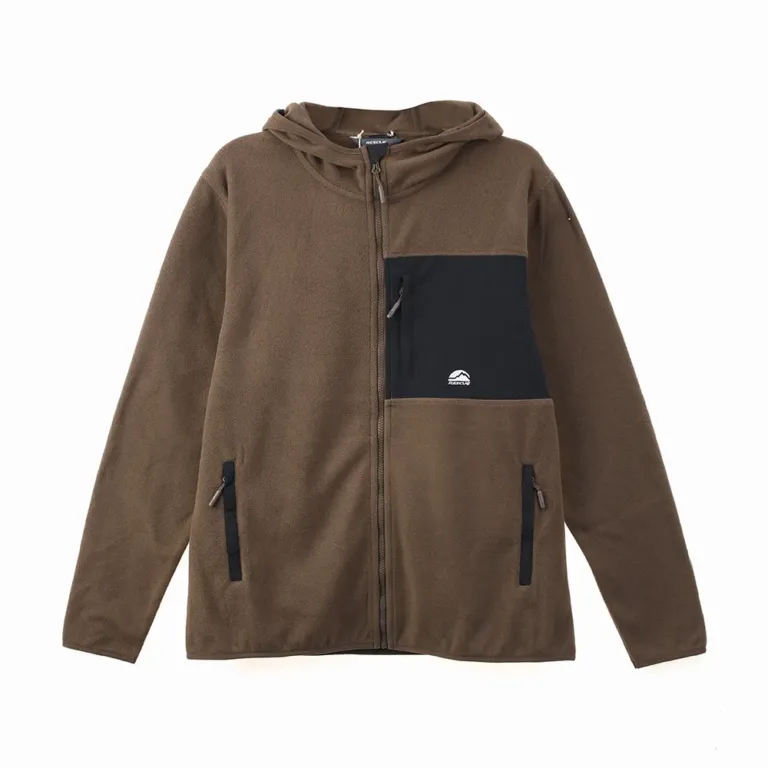
How to Assess Fleece Fit
When trying on a fleece jacket, perform these simple tests to ensure a good fit:
- Raise your arms above your head: The hem should not ride up above your waist
- Stretch your arms out in front of you: The sleeves should reach your wrists without pulling
- Bend over and twist side to side: The jacket should move with your body without restriction
- Zip it all the way up: It should close easily without pulling across the chest
- Check the shoulder seams: They should align perfectly with the edge of your shoulders
Important: Always try on fleece with the exact base layers you plan to wear underneath. A fleece that fits perfectly over a t-shirt may be too tight over a thick thermal shirt.
Common Fit Mistakes to Avoid
Many people make mistakes when choosing fleece fabric. These mistakes can affect wearing comfort and the performance of the fleece fabric:
- Buying too small: A fleece that’s too tight will restrict movement and be uncomfortable to wear for long periods
- Buying too large: An overly baggy fleece will let cold air in and look sloppy
- Ignoring shrinkage: Most fleece will shrink slightly after the first wash, so check the care label before buying
- Choosing the wrong weight for the climate: A heavy 300-weight fleece will be too hot for mild weather
- Forgetting about sleeve length: Sleeves that are too short or too long will compromise warmth and comfort
Quick Decision Guide
| Activity | Best Fit | Recommended Weight | Fabric Type |
|---|---|---|---|
| Running/Cycling | Snug | 100-200 weight | Grid fleece, spandex blend |
| Hiking | Snug or relaxed | 200 weight | Microfleece |
| Skiing/Snowboarding | Snug | 200-300 weight | Alpha Direct |
| Casual/Everyday | Relaxed | 200 weight | Microfleece, high-pile |
| Winter Camping | Snug | 300 weight | Heavyweight fleece |
| Home/Lounge | Loose | 100-200 weight | Soft microfleece |
Conclusion
So, should a fleece be tight or loose? The answer is: it depends. A snug-fitting fleece is best for high-intensity activities and cold weather, as it traps heat effectively and layers well under a jacket. A loose-fitting fleece is more comfortable for casual wear and mild temperatures, offering better breathability and freedom of movement.
The most important thing is to choose a fit that works for your specific needs and preferences. NOIHSAF offers custom fleece tracksuits and jackets in both snug and relaxed fits, with a range of fabric options to suit every activity and climate. Whether you need a performance midlayer for hiking or a cozy jacket for everyday wear, we have the perfect solution for you.
FAQ
What is the best way to choose between a snug or loose fleece?
Consider your primary activity, the climate, and your personal comfort preferences. A snug fit is better for sports and cold weather, while a loose fit is ideal for casual wear and mild temperatures.
Can a fleece be used as a midlayer?
Yes, fleece makes an excellent midlayer. It traps heat effectively and helps manage moisture, making it a staple in any outdoor layering system.
How should a fleece fit for sports or running?
A snug, form-fitting fleece is best for sports and running. It supports movement, wicks moisture away from the skin, and fits smoothly under outer layers.
Is a loose fleece good for everyday wear?
Absolutely. A loose-fitting fleece is soft, comfortable, and versatile, making it perfect for daily activities, running errands, or relaxing at home.
How much room should I leave for layering?
Leave enough room to comfortably wear your intended base layers underneath. If you plan to wear thick thermals, size up by one size for a looser fit.