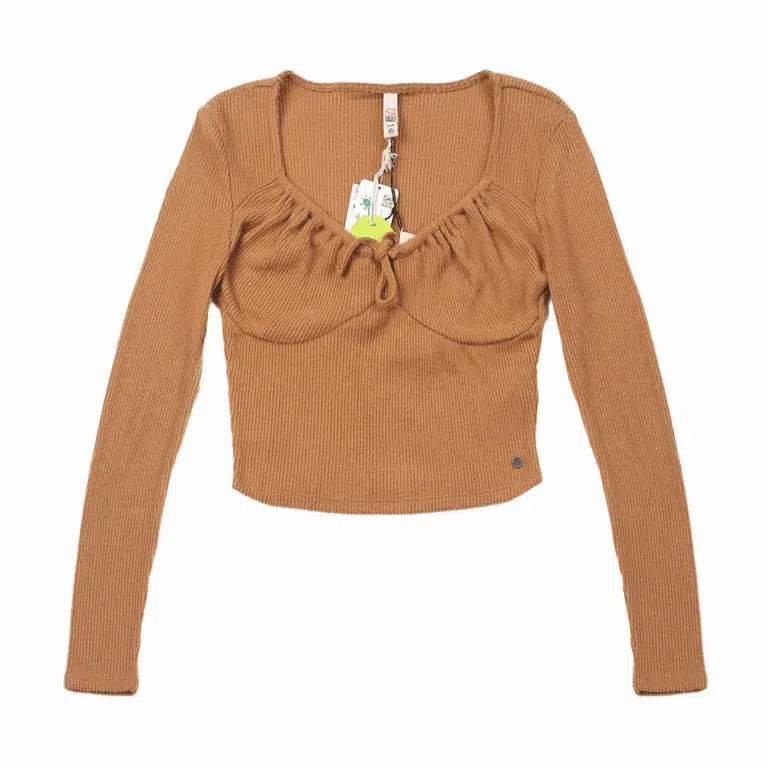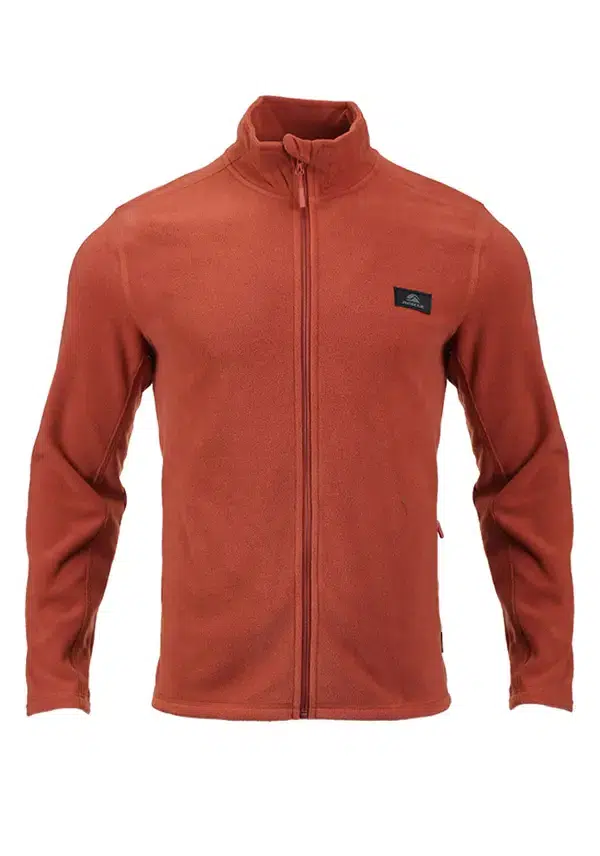
Polar fleece is favored for its warmth and lightweight nature, but it also has some drawbacks. This fabric can impede airflow, leading to overheating and discomfort during exercise. Environmental concerns are also significant: a single fleece jacket releases approximately 1,900 microfibers per wash, exacerbating microplastic pollution. Furthermore, this fabric is prone to pilling, deformation, and poses a fire hazard. Understanding these pros and cons will help consumers make informed decisions when choosing fleece products.
Key Takeaways
- Polar fleece releases microplastics during washing, which enter waterways and harm aquatic life.
- The fabric is non-biodegradable, contributing to long-term landfill waste.
- Made from non-renewable petroleum, polar fleece has a high carbon footprint.
- Poor breathability can cause overheating and discomfort during physical activity.
- The fabric pills easily, may lose its shape over time, and poses a fire risk.
- Compared to wool and cotton, fleece offers lighter weight but falls short in sustainability and breathability.
Environmental and Sustainability Drawbacks
Microplastic Shedding
Polar fleece releases tiny plastic fibers—known as microplastics—during washing. These fibers enter rivers, lakes, and oceans, contributing to water pollution. Studies show that a single polar fleece garment can shed approximately 1.7 grams of microplastics per wash, while one fleece jacket may release up to 250,000 synthetic fibers in a single laundry cycle. These particles are so small that wastewater treatment plants often cannot capture them. Microplastics from polar fleece can harm fish and other aquatic organisms, and may enter the food chain, affecting both wildlife and humans. The amount of shedding depends on factors such as garment age and washing machine type. While other synthetic fabrics like nylon also shed microfibers, polar fleece is a significant contributor to microplastic pollution due to its widespread use and fiber structure.
Environmental scientists are worried about microplastic pollution from polar fleece fabric. They say these fibers can stay in nature for hundreds of years.
Non-Biodegradable Waste
Polar fleece does not biodegrade in natural environments. Made from polyester—a type of plastic—discarded fleece garments accumulate in landfills, where they can persist for hundreds of years. Unlike natural fibers such as cotton or wool, which decompose and return to the soil, polar fleece remains intact, contributing to long-term waste accumulation. This creates physical waste burdens and poses risks to wildlife that may ingest the material.
Made from Non-Renewable Resources
Polar fleece is made from polyester fibers refined from crude oil, a non-renewable resource. Its production process consumes significant amounts of energy and water, involves chemical treatments that can pollute water sources, and generates greenhouse gases that exacerbate climate change. Therefore, fleece has a higher carbon footprint compared to natural fibers such as cotton or wool. While recycled polyester offers a less environmentally impactful alternative, most fleece fabrics currently produced still rely on virgin petroleum-based materials.
Comfort and Breathability Issues
Poor Airflow and Overheating Risk
Polar fleece retains warmth by locking in body heat, which is very practical in cold weather. However, fleece fabric is not very breathable and can easily overheat when worn indoors or during exercise, leading to sweating and discomfort. This can happen even with high-quality fleece, mainly due to the fiber manufacturing process. Therefore, fleece may not be suitable for extended wear by those who need an outer layer that is suitable for both indoor and outdoor use.
Poor Moisture Wicking and Slow Drying
While polar fleece can move some moisture away from the skin, it does not perform as effectively as technical performance fabrics. Athletic brands use specialized yarns and knitting structures designed to manage sweat and regulate body temperature during intense activity. In contrast, polar fleece tends to retain moisture, and its drying time is slower than many performance-oriented materials. This makes it less suitable for high-exertion activities where moisture management is critical.
Skin Irritation for Sensitive Users
Some people experience skin irritation after wearing polar fleece. Chemicals used in the manufacturing process, including certain additives in recycled polyester, can trigger allergic reactions in sensitive individuals. Symptoms may include itching or discomfort. While not everyone will experience these issues, people with sensitive skin should exercise caution and perform a fabric test before wearing it for extended periods.
People with allergies or sensitive skin should try polar fleece on a small spot before wearing it for a long time.
Durability and Care Concerns
Pilling and Surface Wear
Polar fleece is prone to pilling—the formation of small fiber balls on the fabric surface—caused by friction during wear or washing. Over time, pilling can make garments appear worn and aged. Areas such as sleeves and sides, which experience more friction, are particularly susceptible. Washing and drying in machines can accelerate pilling. While pills can be removed with specialized tools, they often reappear with continued use.
Tip: Turn polar fleece inside out and use gentle wash cycles to help stop pilling.
Shape Loss (Shrinking or Stretching)
Repeated washing can cause fleece fabric to deform. Some garments will shrink, while others will stretch and deform, resulting in an ill-fitting fit. The degree of deformation varies depending on the brand and manufacturing process. Hot water and high-temperature drying will accelerate these problems. Consumers seeking better shape retention can choose brands with anti-shrinkage treatments, but most fleece garments will experience some degree of size change over time.
Snagging and Tearing
Compared to many other fabrics, Polar fleece is more prone to snagging and tearing. The soft fibers easily get caught on sharp objects or rough surfaces. Furthermore, high temperatures can damage this fabric: ironing or exposing fleece to high temperatures can cause it to melt, resulting in visible damage or holes.
| Cause of Damage | Description |
|---|---|
| Heat Sensitivity | Polyester fleece melts at relatively low temperatures, causing flattening or holes |
| Excessive Pressure | Heavy pressure during heat sealing can crush the fabric and leave permanent marks |
| Improper Finishing | Brushing after heat transfer can make surface imperfections more visible |
Careful handling helps extend the life of polar fleece garments.
Static and Lint Problems
Static Cling
Polar fleece frequently generates static cling due to its polyester composition, which builds static electricity easily. This can cause the fabric to stick to the body or other clothing. Static is more pronounced in dry air, making it particularly noticeable during winter months. Dryer sheets can help reduce static, while liquid fabric softeners are generally not recommended as they may affect the fabric’s performance.
Static cling can make polar fleece uncomfortable. It can also cause small shocks when someone touches metal objects.
Attracts Lint and Pet Hair
The soft, fluffy surface of polar fleece easily attracts lint and pet hair. Static electricity further exacerbates this problem. Pet owners often find pet hair quickly clinging to fleece clothing, requiring frequent washing. Compared to smoother fabrics like nylon or cotton, fleece more readily attracts loose fibers and debris.
| Fabric Type | Attracts Lint & Pet Hair | Repels Lint & Pet Hair |
|---|---|---|
| Polar Fleece | ✅ | ❌ |
| Cotton | ❌ | ✅ |
| Nylon | ❌ | ✅ |
People who want a clean look may need to use lint rollers often. Pet owners may find polar fleece less practical for daily wear.
Moisture and Drying Limitations
Poor Moisture Wicking
Polar fleece does not pull sweat away well. The fibers keep sweat close to your skin. This can make you feel wet and uncomfortable. Athletes like fabrics that move sweat away fast. Merino wool and polyester blends do this better. These materials use special fibers to help sweat dry quickly.
If you exercise in polar fleece, you may notice sweat stays. The fabric does not dry as fast as sports materials. This can make you feel cold when your body cools down. Because it does not wick moisture well, polar fleece is not great for hard activities.
Sweat stuck in polar fleece can make you uncomfortable and less warm.
Slow Drying
Polar fleece dries faster than wool but still has limits. Tests show fleece dries in about 5 hours. Wool caps take almost 45 hours. Merino wool caps take close to 50 hours. Fleece loses warmth when wet but gets warm again faster than wool. Fleece loses heat quickly at first but recovers warmth faster.
Here is a table showing drying times for fabrics:
| Fabric Type | Drying Time (Hours) |
|---|---|
| Polar Fleece | 5 |
| Wool Cap | 45 |
| Merino Wool Cap | 50 |
Polar fleece is good for outdoor use when quick drying matters. But it does not move sweat as well as some sports fabrics. Think about these things when picking clothes for exercise or wet weather.
Safety Considerations
Fire Risk and Flammability
Polar fleece is highly flammable. The polyester fibers burn quickly, and the fabric can melt when exposed to flame or high heat. In contrast, natural fibers like cotton and wool tend to burn more slowly, and wool may self-extinguish. Most polar fleece garments do not carry flame-resistant labels, making them unsafe for wear near open flames, heaters, or other heat sources.
Safety Precautions When Wearing or Using
To reduce risks, consumers should look for flame-resistant labels when purchasing polar fleece. Avoid wearing fleece near campfires, stoves, or heaters, as the fabric can melt and cause severe burns. Wash in cool water, avoid high heat drying, and store in a cool, dry place. If damage such as melting is visible, discontinue use.
Conclusion
Polar fleece offers clear benefits: it is lightweight, warm, and easy to care for. However, it also presents significant drawbacks that consumers should weigh carefully. Environmental concerns—including microplastic shedding, non-biodegradability, and reliance on non-renewable resources—are substantial. Comfort limitations such as poor breathability, static cling, and lint attraction affect daily usability. Durability issues like pilling and shape loss, along with fire safety risks, further inform the decision.
FAQ
What is polar fleece made from?
Polar fleece is made with polyester fibers. Factories make these fibers from petroleum. The process turns them into a soft, warm fabric. Many jackets and blankets use polar fleece. It feels light and keeps you warm.
Does polar fleece harm the environment?
Yes, polar fleece can hurt the environment. It lets out microplastics when you wash it. These tiny fibers go into rivers and oceans. Animals can eat them by accident. Polar fleece does not break down in landfills.
How can someone reduce static in polar fleece?
People can use dryer sheets to lower static. Hanging fleece to dry helps too. Humid air makes less static electricity. Using low heat in dryers keeps fleece nice.
Is polar fleece safe for children?
Polar fleece can catch fire very fast. Kids should not wear it near fire or heaters. Parents should look for flame-resistant labels before buying. Wool or cotton may be safer for children.