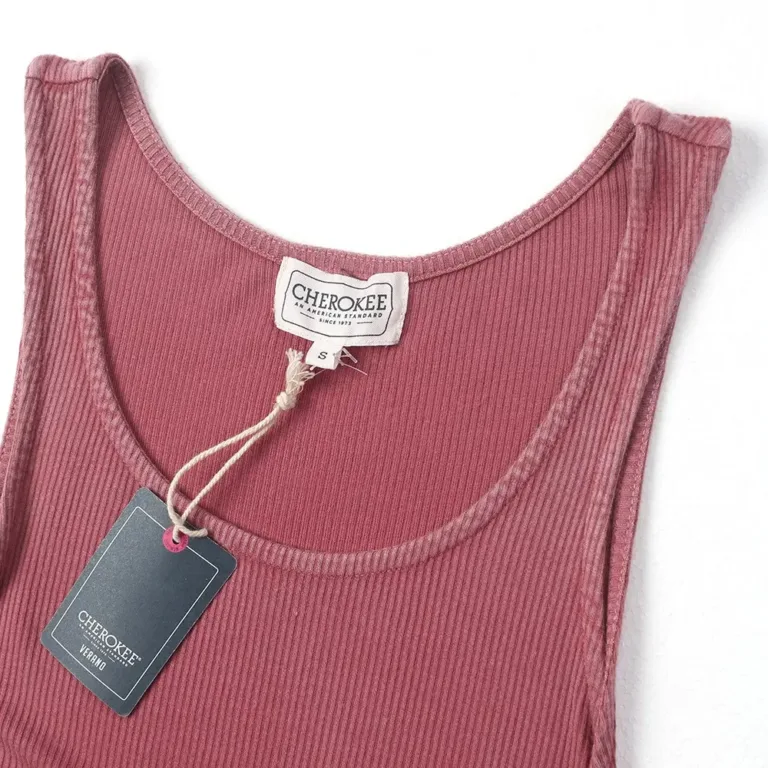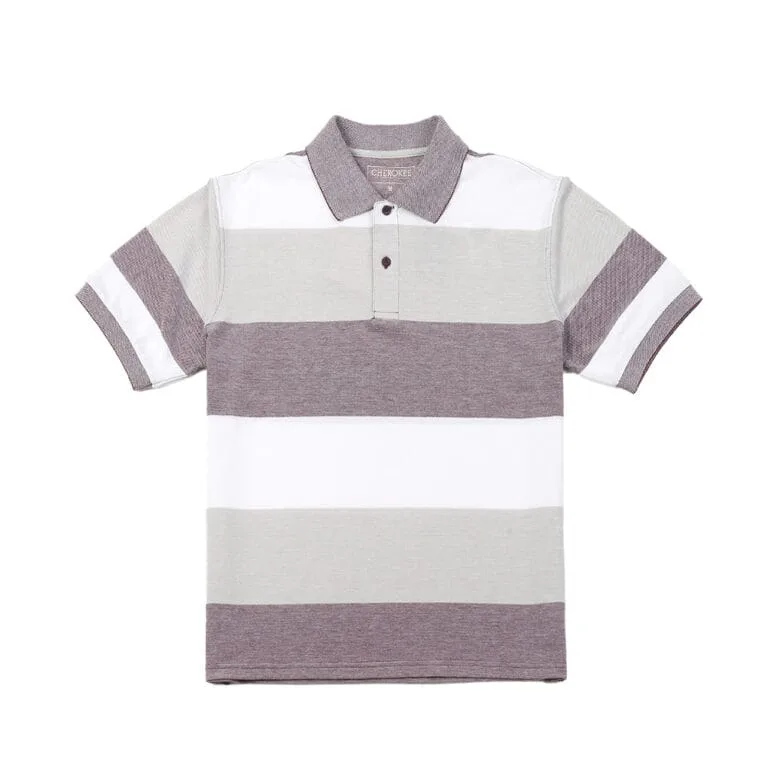
A pique polo shirt is a classic wardrobe staple defined by its signature textured, waffle-like knit fabric. Created with a special tuck-stitch weaving technique, pique fabric forms small raised bumps across the surface, giving the shirt a structured, polished appearance while remaining highly breathable.
First popularized for athletic use in the early 20th century, the pique polo has since evolved into a versatile piece suitable for casual, smart-casual and even light professional settings. Its balance of comfort, durability and timeless style makes it a long-lasting favorite for everyday wear, team uniforms and corporate apparel.
Key Takeaways
- Pique fabric features a raised, textured surface created by a unique knit structure, delivering better breathability than smooth jersey fabric at the same weight.
- The structured weave holds its shape well, resists wrinkles and hides minor wear, keeping the shirt looking neat through repeated washes and daily use.
- Pique polos come in multiple material options — from 100% cotton to performance blends and eco-friendly recycled fabrics — to suit different needs and values.
- The textured surface is ideal for embroidery, making pique polos a top choice for team uniforms, company branding and custom designs.
- Available in classic, slim, performance and oversized fits, there is a pique polo style to flatter most body types and style preferences.
What Is Pique Fabric?
Pique (sometimes spelled piqué) is a knit fabric distinguished by its three-dimensional, waffle-textured surface. It is created using a combination of knit and tuck stitches, which form small raised patterns — often diamond or honeycomb shaped — across the fabric face.
Brief History of the Pique Polo
The pique polo rose to prominence in the 1920s and 1930s, pioneered by tennis player René Lacoste. Before then, tennis players wore stiff, long-sleeved button-down shirts on court. Lacoste designed a short-sleeved, lightweight shirt using pique fabric to keep players cool and allow free movement.
The style was quickly adopted by polo players and other athletes, and gradually transitioned into mainstream casual wear. Its structured, put-together look made it acceptable for settings where t-shirts felt too informal, while remaining far more comfortable than traditional dress shirts.
Common Pique Fabric Materials
Pique knit can be made from different fibers, each with unique benefits:
- 100% Cotton Pique: The classic option. Soft, highly breathable and absorbent, with a natural structured feel. Long-staple cotton varieties get softer with each wash while retaining their shape.
- Cotton-Polyester Blends: Combine the softness of cotton with the wrinkle resistance and durability of polyester. Hold their shape well and require less ironing.
- Performance Polyester Pique: Lightweight, fast-drying and moisture-wicking. Designed for sports and high-activity use, often with added stretch.
- Eco-Friendly Blends: Made with organic cotton or recycled polyester to reduce environmental impact, without sacrificing quality or comfort.
Key Characteristics of Pique Polo Shirts
Textured, Structured Appearance
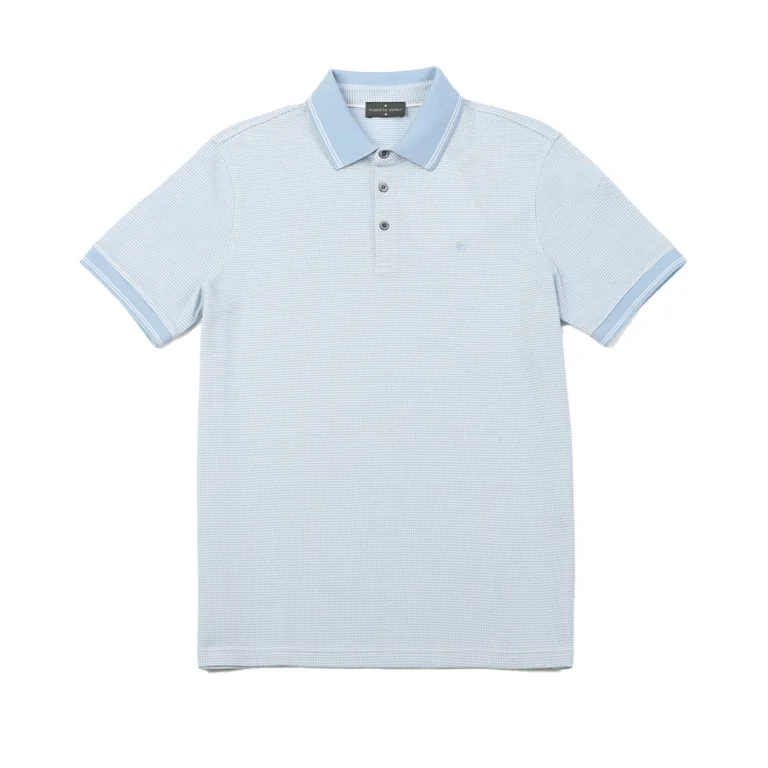
The raised knit pattern gives pique polos a crisp, polished look that reads more dressed-up than smooth t-shirt-style polos. The texture also hides minor stains and signs of wear better than flat fabric, keeping the shirt looking tidy longer.
Superior Breathability
The small gaps between the raised bumps create natural air pockets, allowing heat to escape and air to circulate next to the skin. At equal fabric weight, pique breathes better than standard jersey knit, making it a popular choice for warm weather.
Excellent Durability & Shape Retention
The tight, reinforced weave resists stretching, pilling and wrinkling. A well-made pique polo holds its collar shape and body silhouette through dozens of washes, without sagging or losing structure.
Embroidery-Friendly Surface
The textured, sturdy fabric holds stitched designs firmly and cleanly. This makes pique polos the go-to choice for custom logos, team names and corporate branding.
Key Differences and Style Guide for Pique vs. Jersey Polo
Pique Polo vs. Jersey Knit Polo
| Feature | Piqué Polo | Jersey Knit Polo |
|---|---|---|
| Texture | Raised, waffle-like patterned surface | Smooth, flat surface, like a standard t-shirt |
| Structure | More structured, holds shape well | Softer, more relaxed drape |
| Breathability | Good airflow from textured weave | Breathable, but can stick to skin when sweaty |
| Formality | More polished, works for smart-casual settings | More casual, laid-back feel |
| Decoration | Ideal for embroidery | Works well for both printing and embroidery |
Popular Pique Polo Styles & Fits
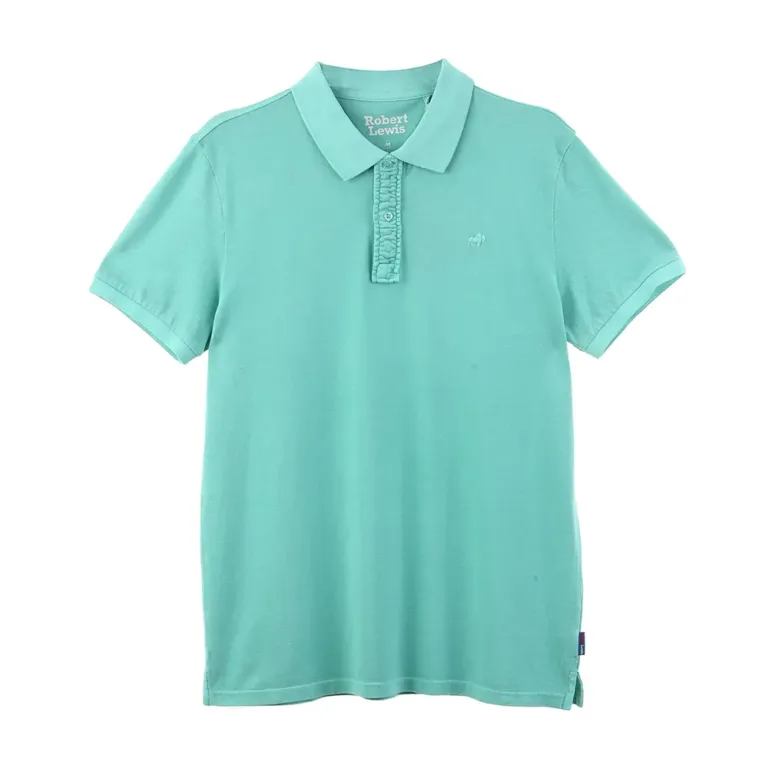
Image Source: unsplash
Pique polos come in a range of cuts to suit different body types and style preferences:
- Classic Fit: Relaxed through the body and sleeves, with extra room for movement. The most versatile and timeless option, flattering for most body shapes.
- Slim Fit: Cut closer to the body for a tailored, modern silhouette. Best for slim to average builds.
- Performance Fit: Athletic cut with moisture-wicking fabric and added stretch. Designed for sports and active use.
- Oversized Fit: Loose, roomy cut for a relaxed, casual streetwear look. Popular for everyday casual wear.
- Women’s Fit: Shaped to follow feminine silhouettes, often with a slightly tapered waist and shorter sleeve length.
How to Choose a Quality Pique Polo
Fabric Weight
Most standard pique polos weigh between 200–240 GSM (grams per square meter):
- Lightweight (under 200 GSM): More breathable and cool for summer, but may feel thinner and wear out faster.
- Midweight (200–240 GSM): The best all-around balance of structure, breathability and durability. Suitable for year-round wear.
- Heavyweight (260+ GSM): Sturdier, more substantial feel with excellent shape retention. Better for cooler weather and workwear use.
Quality Markers to Look For
- Pre-shrunk fabric to minimize wash shrinkage
- Reinforced seams at the shoulders and side seams
- A sturdy, flat collar that retains its shape
- Even, consistent knit texture without loose threads
- For custom orders, brands like NOIHSAF offer high-quality eco-friendly pique polos with full customization options, including embroidery and size range flexibility.
Best Uses for Pique Polo Shirts
Thanks to their balance of polish and comfort, pique polos work for a wide range of occasions:
- Everyday casual wear: A step up from a t-shirt for errands, weekends and social gatherings
- Smart-casual settings: Office casual days, client meetings, dinners and events
- Sports & outdoor activity: Golf, tennis and casual athletics, especially in performance fabric blends
- Uniforms & branding: Corporate staff uniforms, school teams, retail and hospitality workwear
Conclusion
A pique polo shirt is much more than a basic casual top — it is a timeless wardrobe essential defined by its signature textured knit, all-day comfort and versatile style. From its athletic origins to modern smart-casual use, it has remained popular for decades thanks to its durability, breathability and polished yet relaxed appearance.
Whether for everyday wear, work uniforms or custom branded apparel, a well-made pique polo delivers long-lasting value. For shoppers seeking customizable, eco-friendly options, NOIHSAF offers a range of high-quality pique polos in multiple fits and sustainable fabric blends, suitable for both personal and bulk business orders.
FAQ
What makes pique fabric different from regular polo fabric?
Pique fabric has a raised, textured waffle-like pattern created by a special tuck-stitch knit. This gives it more structure, better breathability and greater shape retention compared to smooth jersey knit polos.
Can you wear a pique polo shirt for sports?
Yes. Pique fabric’s natural breathability and sweat absorption make it well suited for casual sports like golf and tennis. Performance-blend pique polos offer additional moisture-wicking and stretch for more intense activity.
How should you wash a pique polo shirt?
Wash in cool or warm water, turn the garment inside out, and air dry or tumble dry on low heat. This prevents shrinkage, preserves the fabric texture and extends the shirt’s lifespan.
Are pique polo shirts good for embroidery?
Yes. The sturdy, textured surface of pique fabric holds embroidered designs cleanly and durably. This is why pique polos are the most popular choice for custom team and company logo apparel.
Do pique polo shirts come in different fits?
Yes. Common fits include classic, slim, performance, oversized and women’s tailored cuts. Different fits flatter different body types and style preferences, from polished to casual.