While both singlets and tank tops are sleeveless upper-body garments, they are designed for distinct purposes with clear differences in fit, construction and performance. Singlets are purpose-built for high-intensity athletic performance, prioritizing breathability, chafe resistance and unobstructed movement. Tank tops are highly versatile all-around garments, ranging from casual everyday styles to light workout designs, with far more variation in fit and aesthetic. Understanding the differences helps you pick the right style for your activity, comfort needs and personal style.
Key Takeaways
- Singlets are performance-focused athletic tops engineered for high-intensity sports such as running, track and field and wrestling.
- Tank tops are versatile sleeveless shirts available in both casual and athletic styles, suitable for everyday wear, layering and light-to-moderate workouts.
- Core differences lie in fit, cut, fabric technology and intended use, rather than just the absence of sleeves.
- For competitive racing and high-output training, a singlet delivers superior breathability, chafe reduction and moisture management.
- For casual wear, general gym sessions and everyday styling, a tank top offers more style variety and flexible comfort.
What Is a Singlet?
A singlet is a form-fitting, performance-oriented sleeveless top designed exclusively for sports and athletic use. It is built to minimize interference with movement and maximize thermal regulation during intense exercise.
Design and Construction
Singlets are defined by their sport-specific cuts and construction details:
- A close, streamlined fit to reduce wind drag and prevent fabric shifting during rapid movement
- High, open armholes and deep side cuts to eliminate fabric rubbing against the arms and torso
- Flatlock or bonded seams to reduce skin chafing during long workouts
- Shorter torso length that sits at the waistband, to avoid excess fabric bouncing during running or jumping
- Lower necklines to increase airflow and heat dissipation
Note: The term “singlet” also refers to the one-piece tight uniform worn in wrestling and weightlifting. For most casual and running contexts, it refers to the sleeveless athletic top covered in this guide.
Common Athletic Uses
Singlets are the standard choice for competitive and high-intensity training environments:
- Running & track and field: Racing singlets are ultra-lightweight and highly breathable, built for hot weather and peak performance.
- Wrestling & combat sports: One-piece singlets stay securely in place during grappling without shifting.
- Cycling & team sports: Streamlined singlets support free upper-body movement and team branding.
While a tank top can work for casual workouts, a singlet is purpose-built for serious training and competitive events where performance matters most.
What Is a Tank Top?
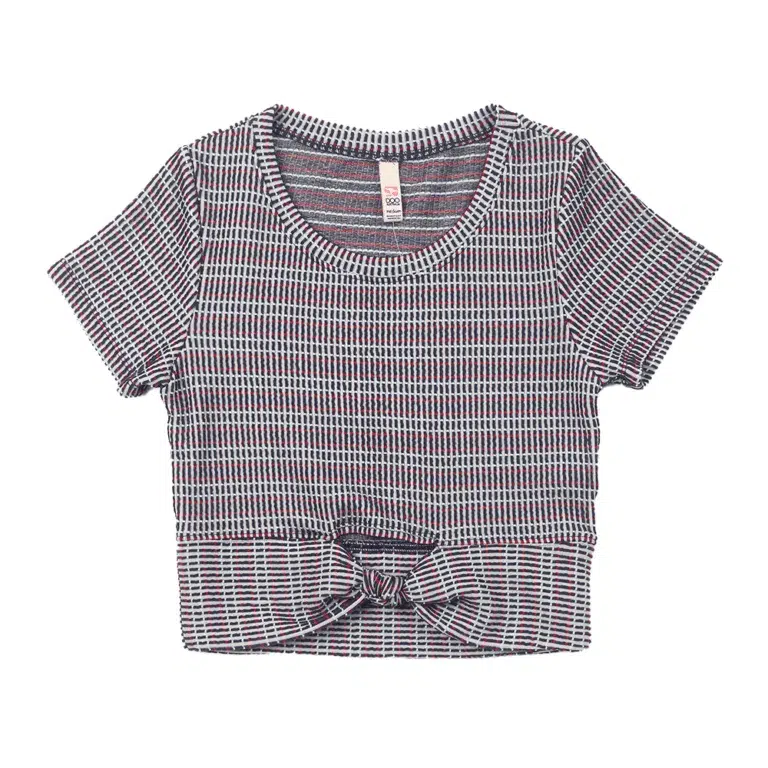
A tank top is a general-purpose sleeveless shirt designed for broad use across casual, lifestyle and light athletic settings. It is one of the most versatile wardrobe staples, with a huge range of styles and fits.
Design and Style Variety
Tank tops are defined by their flexibility rather than a single performance standard:
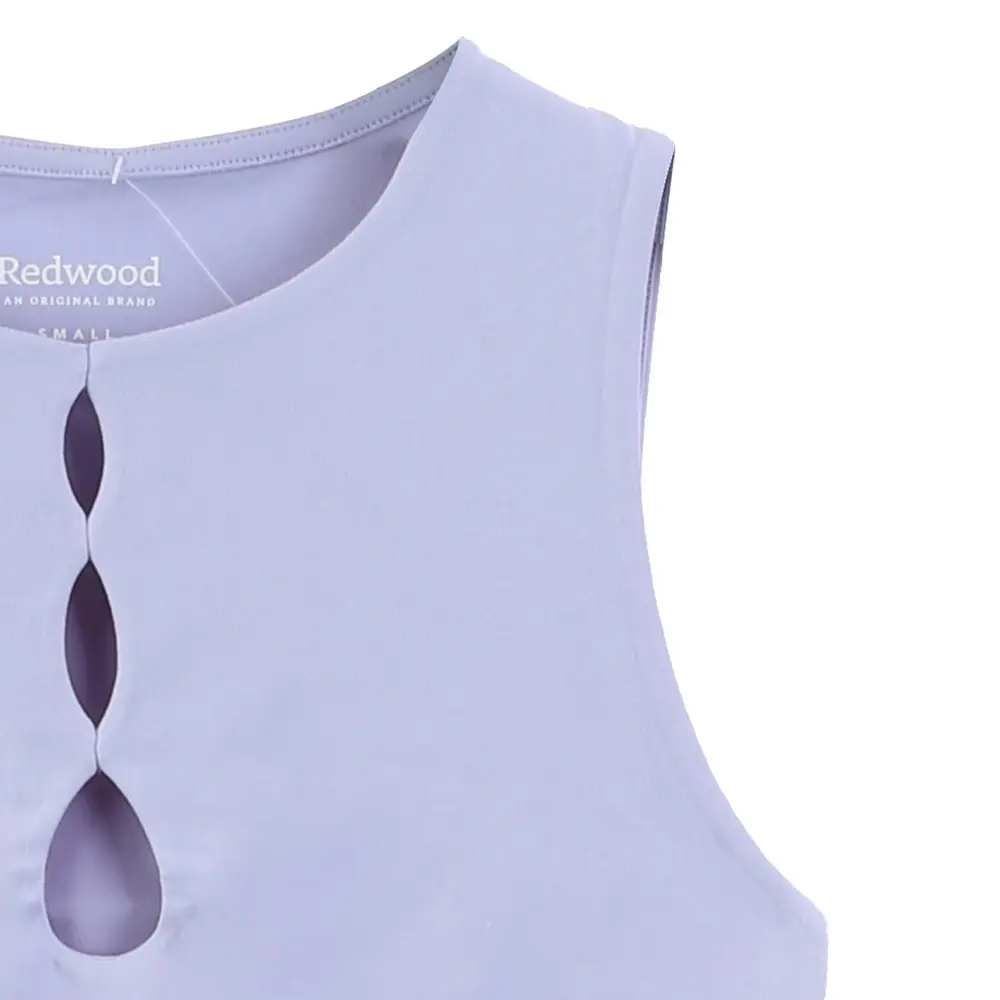
- Shoulder straps range from thin spaghetti straps to wide shoulder-covering styles, including racerback designs for workout use.
- Necklines include crew, scoop, V-neck and halter styles to match different aesthetics.
- Fits run from loose and relaxed flowy styles to form-fitting and compression designs.
- Lengths vary from cropped styles to long tunic-length cuts.
Fabric options are equally broad: casual tank tops often use cotton or cotton blends for softness, while athletic tank tops use polyester and spandex blends for sweat-wicking performance.
Everyday and Workout Uses
Tank tops serve a far wider range of scenarios than singlets:
- Everyday casual wear, loungewear and layering under shirts or jackets
- Light-to-moderate workouts such as yoga, weight training and walking
- Warm-weather casual outfits, available in hundreds of colors, prints and designs
Their broad adaptability makes them a staple in most wardrobes, working for both relaxed days and low-intensity activity.
Key Differences Between a Singlet and a Tank Top
The table below summarizes the core distinctions across the most important factors:
| Feature | Singlet | Tank Top |
|---|---|---|
| Primary Purpose | Athletic performance, high-intensity sports | Versatile use: casual wear, layering, light workouts |
| Fit | Streamlined, close to the body; consistent athletic cut | Highly variable: loose, regular, fitted or compression |
| Side & Arm Cut | Deep, open side cuts and high armholes for mobility | Standard closed side seams and moderate armholes |
| Seam Construction | Flatlock or bonded seams to prevent chafing | Standard stitched seams for general use |
| Core Fabrics | Lightweight moisture-wicking polyester, nylon and spandex blends | Cotton, cotton blends, or performance polyester depending on style |
| Typical Weight | Racing styles often under 100g; ultra-light for competition | 120–200g, varies widely by material and style |
| Style Variety | Limited; sport-focused, often team-branded | Extensive; wide range of colors, prints and designs |
Fabric and Performance Gap
The biggest functional difference comes down to performance engineering:
- Singlets use technical quick-dry, moisture-wicking fabrics engineered to pull sweat away from the skin and evaporate it quickly. Many include mesh panels for targeted ventilation and anti-odor treatments.
- Tank tops span a full spectrum: casual cotton styles absorb and hold sweat, while athletic tank tops use performance fabrics similar to singlets, but rarely with the same ultra-lightweight or chafe-reducing construction.
Running Singlet vs Tank Top: Which to Choose for Workouts?
For runners and endurance athletes, the choice comes down to workout intensity and goals.
- Choose a running singlet for races, speed work and hot humid conditions Ultra-light construction, deep side cuts and flat seams eliminate chafing over long distances, and advanced moisture-wicking fabric keeps you cooler even at high effort. The streamlined fit also reduces wind resistance for competitive performance.
- Choose a tank top for casual runs, gym sessions and recovery days Athletic tank tops offer more coverage and a more relaxed feel for low-intensity training. They also transition easily from the gym to errands, making them more practical for mixed-use days.
For teams and clubs looking for custom training or race apparel, brands like NOIHSAF offer both custom tank tops with technical fabrics and personalized branding, tailored to different sports and team needs.
How to Choose Between a Singlet and a Tank Top
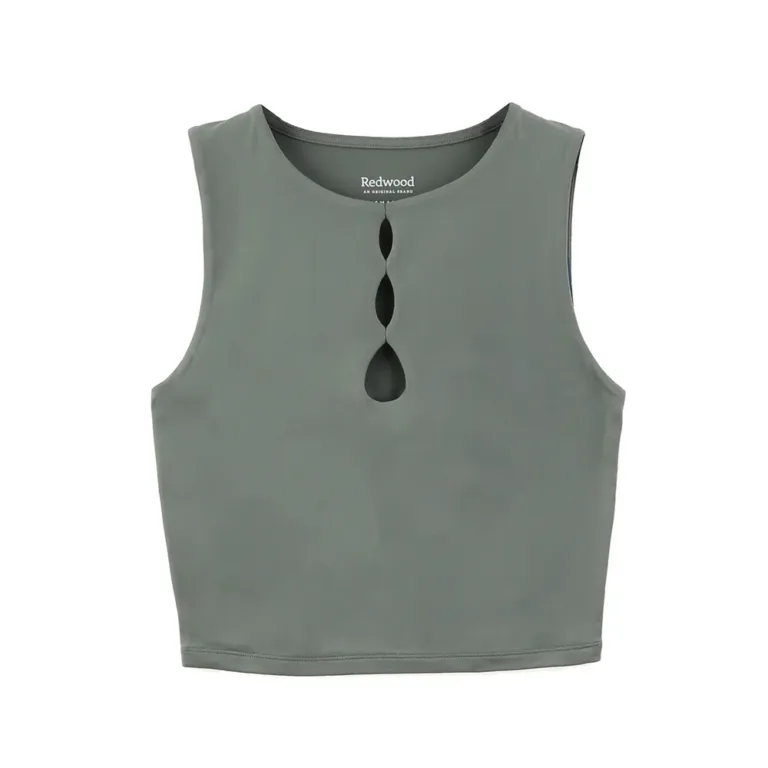
By Activity and Performance Goal
- High-intensity competitive sports, racing, track and field: Choose a singlet for maximum performance, breathability and chafe protection.
- Gym workouts, yoga, hiking and casual exercise: Choose an athletic tank top for balanced comfort and function.
- Everyday wear, loungewear and layering: Choose a casual tank top for style versatility and all-day comfort.
By Climate and Weather
- Hot, humid weather and high-output exercise: A singlet’s maximum airflow and fast-drying fabric will keep you more comfortable.
- Mild temperatures, casual use and sun exposure: A tank top with more coverage offers better sun protection and all-day versatility.
- Cooler conditions or layering: A standard tank top works better under jackets and shirts for everyday outfits.
By Style and Personal Preference
If you prioritize a sporty, streamlined look and performance first, a singlet is the better fit. If you want one garment that works for workouts, errands and casual outings, a tank top offers far more styling flexibility and wardrobe utility.
Conclusion
Singlets and tank tops both serve as sleeveless warm-weather options, but they are built for very different jobs. Singlets are specialized performance tools for competitive sports and high-intensity training, delivering maximum breathability and minimal friction. Tank tops are versatile wardrobe staples that work for everything from casual days out to light workouts.
For peak athletic performance, a singlet is the clear choice. For all-around versatility across daily life and casual activity, a tank top offers more value and styling options. Understanding your primary activity and comfort needs will help you pick the right style for every occasion.
FAQ
What is the main difference between a singlet and a tank top?
The core difference is intended purpose. A singlet is a performance garment built exclusively for high-intensity sports, with specialized construction to reduce friction and maximize breathability. A tank top is a general-purpose sleeveless shirt available in casual and athletic styles, built for versatility across everyday use and light activity.
Can you wear a singlet for everyday activities?
You can, but singlets have a distinctly athletic look and a close fit, so they are less common for casual everyday wear. Most people prefer tank tops for daily use, as they offer more style variety, more coverage and a more relaxed feel.
Which fabric keeps athletes cooler during exercise?
Technical moisture-wicking blends (polyester, nylon and spandex) used in singlets keep athletes coolest. They pull sweat away from the skin to evaporate quickly, rather than absorbing and holding moisture like cotton, which feels heavy and cold once wet.
How should you wash a singlet or tank top to make them last?
Wash performance fabrics in cold water on a gentle cycle with mild detergent. Avoid bleach and fabric softeners, which break down moisture-wicking treatments. Air dry or tumble dry on low heat to preserve elasticity, color and fabric performance.