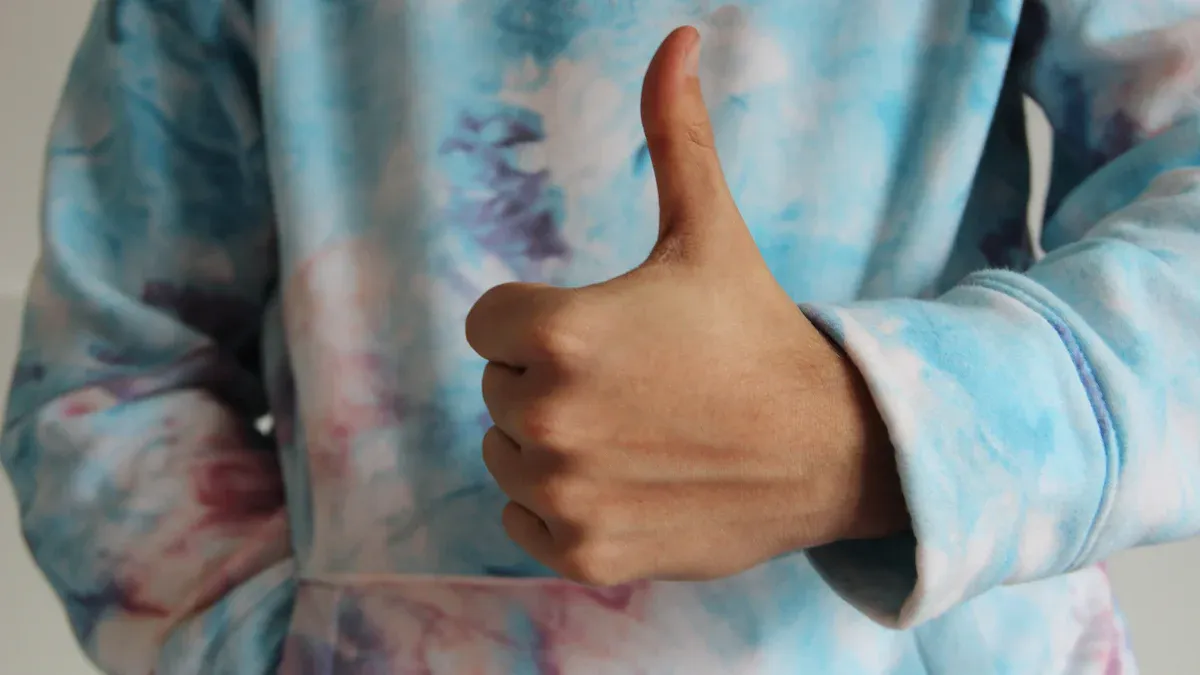
A 100% cotton sweatshirt works best for a tie-dye project. Cotton absorbs water easily and holds up to 27 times its weight in moisture. This high absorbency helps the fabric of the sweatshirt soak up dye and show bright, bold colors. Polyester, on the other hand, does not hold water well and resists dye, so it cannot match the results from cotton. The tie-dyeing technique depends on the right material to create lasting patterns.
Key Takeaways
- Choose 100% cotton sweatshirts for tie-dye. Cotton absorbs dye well, resulting in bright and lasting colors.
- Pre-wash your sweatshirt to remove oils and dirt. This step helps the dye bond better with the fabric.
- Use fiber-reactive dyes for the best results. These dyes create vibrant colors that last through many washes.
- Avoid polyester sweatshirts for tie-dye. Polyester does not absorb dye well, leading to dull and faded patterns.
- Check fabric labels before buying. Look for high cotton content to ensure bright and long-lasting tie-dye results.
Why 100% cotton sweatshirts are best for tie-dye
Cotton’s dye absorption and color results
Cotton is the best material for tie dye sweatshirts. Its special structure helps it soak up dye well. Cotton has cellulose with many hydroxyl groups. These groups let cotton hold dye easily. When you put dye on cotton, it sticks to the fabric. The dye makes strong bonds with the sweatshirt. This keeps the colors bright and helps them last. The colors stay even after many washes.
- Cotton and linen both have cellulose fibers. These fibers help with dyeing.
- Dyes that react with cellulose make strong bonds. This gives bright and long-lasting colors.
- 100% cotton takes in dye better than blends. The colors look more vivid.
The table below shows how sweatshirt materials do after tie-dyeing:
| Fabric Type | Dye Absorption | Color Vibrancy | Retention |
|---|---|---|---|
| 100% Cotton | High | Very Vibrant | Excellent |
| Cotton/Polyester | Moderate | Less Vibrant | Unpredictable |
NOIHSAF sells custom tracksuits and sweatshirts. They use many cotton-rich fabrics. These choices help you get great tie-dye results.
Comfort and durability of cotton sweatshirts
Cotton sweatshirts feel soft and cozy. Cotton lets air move through, so it keeps you comfy. People like cotton tie dye sweatshirts for their breathability. Cotton feels gentle on your skin.
The table below compares cotton and polyester sweatshirts:
| Feature | Cotton Sweatshirt | Polyester Sweatshirt |
|---|---|---|
| Comfort | Soft, breathable, and cozy; great for casual wear. | Smooth, lightweight, less breathable; good for layering. |
| Durability | Wears out faster, may fade or develop holes. | Very strong, maintains shape and color after washing. |
| Warmth | Moderate warmth, may need layering in cold. | Traps heat effectively, good for outdoor use. |
| Moisture Management | Absorbs moisture well but dries slowly. | Dries quickly, wicks sweat away from the skin. |
| Maintenance | Requires careful washing to avoid shrinking/wrinkling. | Low maintenance, resists shrinking and wrinkling. |
Cotton tie dye sweatshirts need gentle care. They give comfort and a classic look. NOIHSAF’s cotton-rich sweatshirts are soft and high quality. They are a smart choice for tie-dye projects.
Environmental benefits of natural fibers
Natural fibers like cotton help the environment. Cotton sweatshirts break down faster than synthetic ones. They do not pollute the earth for long. Making cotton uses fewer chemicals. This helps lower pollution.
- Natural fibers are better for the environment than synthetic fibers.
- They use fewer chemicals, so there is less pollution.
- Making natural fibers needs less water and makes fewer greenhouse gases.
- Natural fibers break down faster than synthetic ones.
- Making natural fibers uses less water and energy. This makes them a more sustainable choice for clothes.
Picking a cotton tie dye sweatshirt helps keep the planet clean. NOIHSAF uses good cotton and cares about the environment. Their sweatshirts are a smart and stylish choice.
Comparing tie dye sweatshirt materials
100% cotton vs. cotton blends
A 100% cotton sweatshirt is a popular choice for tie dye. Cotton takes in dye fast and shows bright colors. Cotton blends mix cotton with synthetic fibers. These blends act differently than pure cotton. Synthetic fibers do not soak up dye well. This makes the colors softer and less bright. The pattern may look faded or dull. Cotton blends might need more soaking or special methods to work well.
- 100% cotton soaks up dye best and makes bold patterns.
- Cotton blends often show lighter colors and faded patterns.
- Synthetic fibers in blends do not take dye, so patterns can look uneven.
- Cotton blends may need extra steps for good tie dye.
NOIHSAF sells many sweatshirts, including ones with lots of cotton. Their choices help you pick the best fabric for your tie-dye project.
Polyester and synthetic sweatshirt fabrics
Polyester and other synthetic sweatshirts do not work well for tie dye. Polyester does not soak up water or dye. The pattern looks dull and faded. Regular dyes do not stick to polyester. Cotton, which is natural, takes in dye and shows bright patterns. If you want to tie-dye polyester, you need special dyes and high heat. This is harder than using cotton for tie dye.
Tip: For the brightest patterns, pick a cotton sweatshirt instead of synthetic ones.
Fleece and specialty sweatshirt options
Fleece sweatshirts come in different blends. Some fleece has cotton, and some has polyester. Cotton fleece works well for tie dye and shows clear patterns. Polyester fleece does not take dye, so patterns look faded. Specialty sweatshirts, like scuba or activewear, may use blends that resist dye. Always check the label before you start tie-dyeing.
The table below shows how sweatshirt materials react to tie dye:
| Sweatshirt Material | Dye Absorption | Pattern Vibrancy | Best Tie Dye Technique |
|---|---|---|---|
| 100% Cotton | Excellent | Very Bright | Traditional tie dye |
| Cotton Blend | Moderate | Soft/Muted | Extended soaking, special dyes |
| Polyester/Synthetic | Poor | Dull | Disperse dyes, high heat |
| Cotton Fleece | Good | Bright | Traditional tie dye |
| Polyester Fleece | Poor | Faded | Disperse dyes, high heat |
NOIHSAF has many sweatshirts and tracksuits. Their cotton-rich choices help you get the best tie-dye colors and patterns.
How to tie dye a sweatshirt for best results
Choosing the right sweatshirt fabric
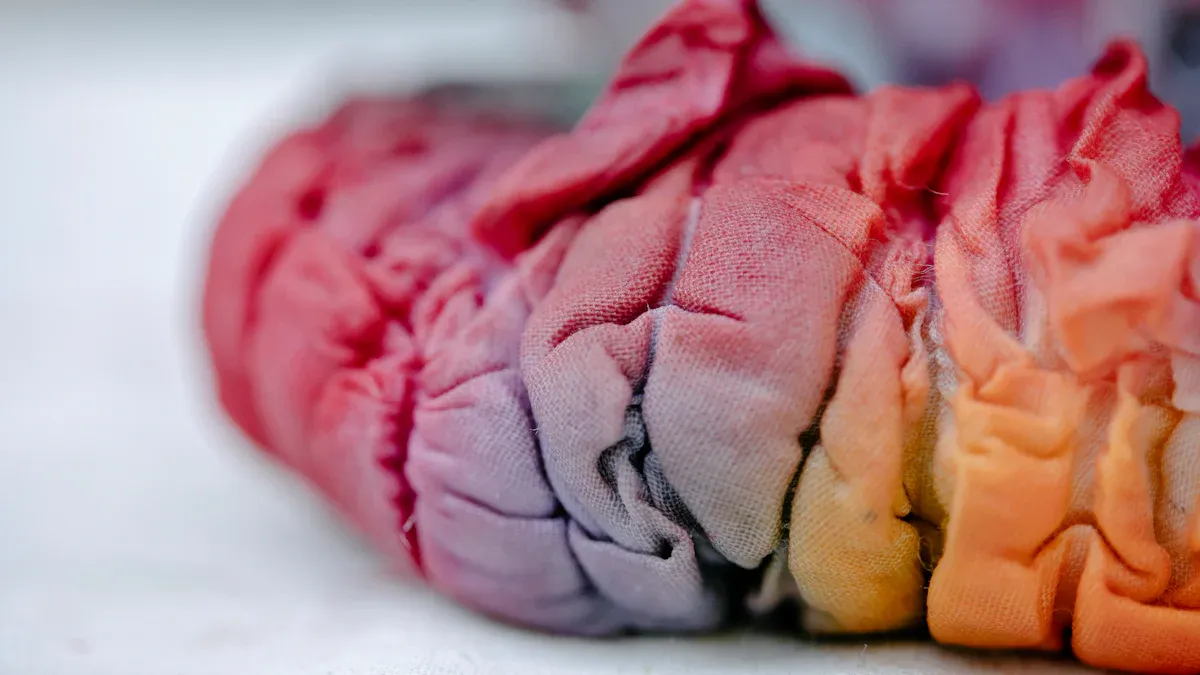
Selecting the right sweatshirt makes a big difference in any tie-dye hobby. Natural fibers, especially 100% cotton, absorb dye well and show bright patterns. Synthetic materials like polyester often create faded or uneven results. The base color of the sweatshirt also matters. White or light-colored sweatshirts give the best color results. People should always check the fabric label before starting. NOIHSAF offers customizable sweatshirts with high cotton content, making them a strong choice for anyone who wants to learn how to tie dye.
Prepping your sweatshirt before tie-dye
Proper preparation helps the dye stick and last longer. Here are some steps for prepping a cotton sweatshirt:
- Pre-wash the sweatshirt with hot water and Dyer’s Detergent to remove oils and dirt.
- Avoid using fabric softeners during washing. This helps the dye soak in better.
- Soak the sweatshirt in a solution of soda ash. Use one cup of soda ash per gallon of water.
- Let the sweatshirt soak for at least 20 minutes. This step prepares the fabric for dyeing.
These steps help the dye bond with the sweatshirt and create bold patterns. People who follow these steps see better results when they learn how to tie dye.
Selecting dyes for cotton sweatshirts
Choosing high-quality dyes is important for a successful tie-dye project. Fiber-reactive dyes are the go-to dyes for cotton sweatshirts. These dyes create vibrant colors and last through many washes. Union dyes are easier to use but may not give the same bright results. People who want to know how to tie dye should pick dyes made for cotton. This ensures the color stays bold and does not fade quickly.
Tip: For the best tie-dye results, use high-quality dyes and cotton sweatshirts from trusted brands like NOIHSAF.
Tips for successful tie-dye sweatshirt projects
Pre-washing and care instructions
Pre-washing a sweatshirt helps remove any factory sizing or residue. This step allows the dye to soak into the fabric instead of rolling off. Washing also softens the sweatshirt, making it easier to fold and tie. After dyeing, proper care keeps the colors bright. Always wash the sweatshirt in cold water. Turn it inside out before washing to reduce friction. Use a gentle cycle and color-safe detergent. Air dry the sweatshirt in the shade to prevent fading. Avoid bleach and fabric softeners, as these can damage the color. Do not leave the sweatshirt wet in the machine for too long, since this can cause the colors to bleed.
Avoiding common tie-dye mistakes
Many people make mistakes when working on a sweatshirt project. Using low-quality dyes often leads to faded results. Fiber-reactive dyes create vibrant colors that last. Rinsing the sweatshirt too quickly can cause stains, so rinse in cold water until it runs clear. Applying too much dye can make the colors muddy. Fold the sweatshirt carefully, matching the sleeves for symmetry. Mark the center before tying to keep patterns even. Always soak the sweatshirt in soda ash before dyeing. Wash tie-dyed sweatshirts separately for the first few washes. Use tight rubber bands to keep designs sharp. Protect work surfaces to avoid stains. Let the sweatshirt sit for at least 24 hours before rinsing.
Achieving vibrant patterns on cotton
Cotton sweatshirts show the brightest patterns. Direct-to-garment and all-over printing techniques work well for bold designs. Tight folds and careful dye application help create crisp lines. Using enough dye, but not too much, keeps the pattern clear. Warmth helps the dye set, so keep the sweatshirt in a warm place while it rests. Embrace the unique results, as each sweatshirt will look different. With the right steps, anyone can achieve a vibrant tie-dye pattern that stands out.
Choosing quality sweatshirts for tie-dye
Reading fabric content labels
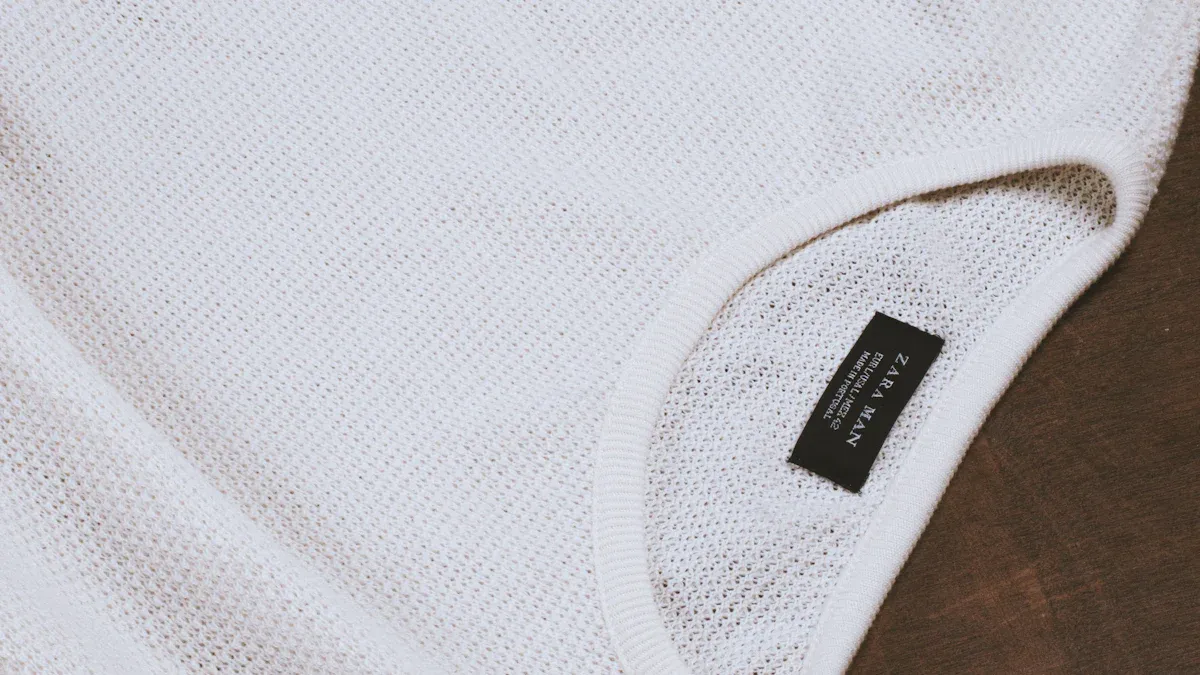
Choosing the right sweatshirt starts with reading the fabric label. The label tells what fibers make up the sweatshirt. Cotton is the best choice for tie-dye because it absorbs dye well. Sweatshirts with a high percentage of natural fibers give the brightest results. Some blends can also work, but cotton remains the top pick. When checking labels, look for these points:
- Sweatshirts with a high percentage of cotton absorb dye best.
- A blend with at least 50% cotton can give good results.
- Cotton and polyester blends may work, but pure cotton is better.
A careful look at the label helps people pick a sweatshirt that will show bright and lasting colors.
NOIHSAF custom tracksuits and sweatshirts
NOIHSAF stands out for its high-quality custom tracksuits and sweatshirts. The brand offers a wide range of fabric types, each with unique features. The table below shows some of the fabrics used in NOIHSAF sweatshirts:
| Fabric Type | Characteristics |
|---|---|
| Single Jersey | Lightweight and breathable |
| Ribbing | Known for its stretchiness |
| French Terry | Offers a soft looped back |
| Fleece | Recognized for its warmth |
| Pique | Often used in polo shirts |
| Interlock | Provides a thicker texture |
| Scuba Fabric | Known for its structured feel |
NOIHSAF uses quality materials and expert design. Their sweatshirts work well for tie-dye and offer comfort, style, and durability.
Textile experts say 100% cotton is best for tie-dye. Cotton feels soft and lets air move through. It soaks up dye and shows bright colors. Checking the fabric label helps you pick natural fibers. Natural fibers hold color well and last longer. The table below shows what artists use:
| Fabric Type | Suitability |
|---|---|
| Cotton Jersey | Excellent |
| Rayon | Excellent |
| Wool | Poor |
Picking a good sweatshirt from trusted brands like NOIHSAF and using these tips helps you get bright and long-lasting tie-dye.
FAQ
What is the best material for tie-dye sweatshirts?
100% cotton works best for tie-dye. Cotton absorbs dye well and shows bright, bold colors. Cotton sweatshirts also feel soft and comfortable.
Can you tie-dye polyester sweatshirts?
Polyester does not absorb dye like cotton. Regular dyes do not work well on polyester. Special dyes and high heat are needed, but results often look dull.
How do you prepare a sweatshirt for tie-dye?
Wash the sweatshirt first to remove dirt and oils. Soak it in a soda ash solution for at least 20 minutes. This helps the dye bond with the fabric.
What dyes work best on cotton sweatshirts?
Fiber-reactive dyes, such as Procion MX, work best on cotton. These dyes create bright, long-lasting colors. They stay vibrant after many washes.
How do you keep tie-dye colors from fading?
Wash the sweatshirt in cold water. Turn it inside out before washing. Use a gentle detergent. Avoid bleach and fabric softeners. Air dry in the shade for best results.