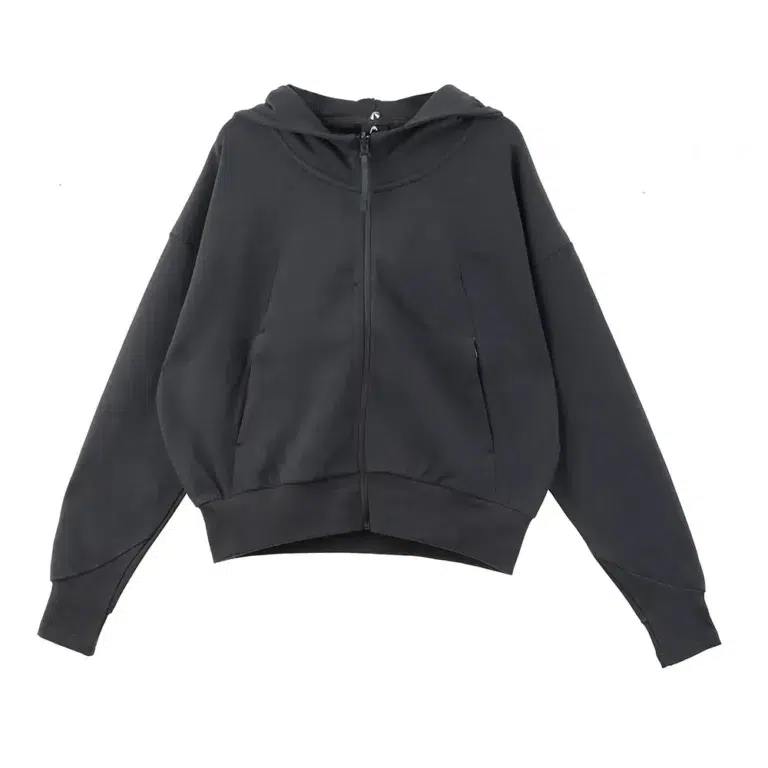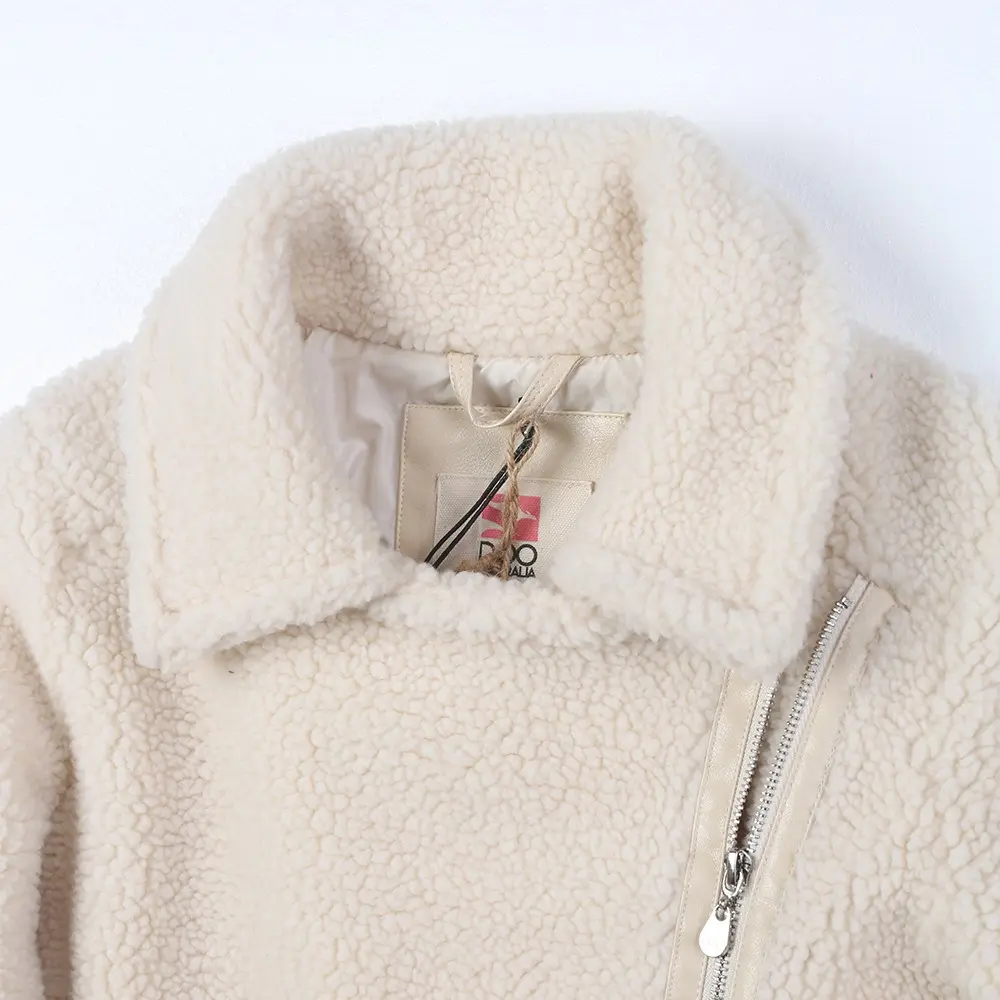
Fleece jackets are generally comfortable in temperatures between 40°F and 65°F (4°C to 18°C), depending on the fleece weight, weather conditions, and activity level. Lightweight fleece works well in mild weather, while heavier fleece jackets can provide additional warmth in colder conditions when layered properly.
Fleece is widely used for hiking, camping, travel, and everyday outdoor wear because it provides warmth, dries quickly, and remains breathable during activity. It is also commonly worn as a midlayer under waterproof or insulated jackets in cold or windy environments.
Key Takeaways
- Fleece jackets are best for temperatures between 40°F and 65°F (4°C to 18°C)
- Choose weight based on activity level: lightweight for high activity, heavyweight for low activity
- Fleece works best as a midlayer in a three-layer clothing system
- It retains warmth even when wet and dries quickly, making it perfect for damp conditions
- Fleece is not windproof – always pair it with a windproof shell in windy weather
- JINMAO offers a full range of fleece jackets for every activity and temperature
What Temperature Is a Fleece Jacket Good For?
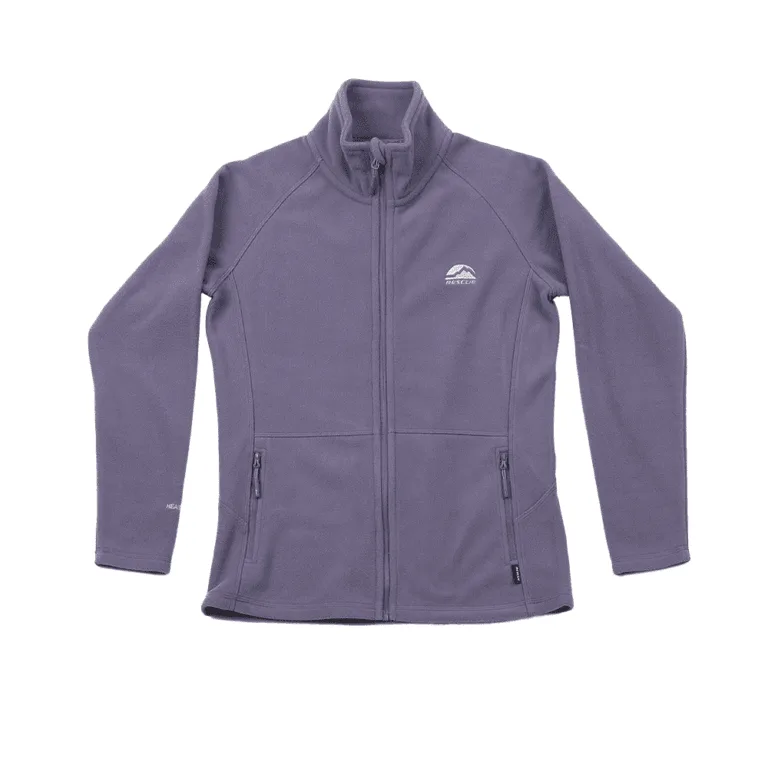
The ideal temperature range for a fleece jacket is 40°F to 65°F (4°C to 18°C). Within this range, you can wear fleece alone as an outer layer or as part of a layering system.
- 60–65°F (15–18°C): Lightweight fleece jacket or fleece vest
- 50–60°F (10–15°C): Midweight fleece jacket
- 40–50°F (4–10°C): Heavyweight fleece jacket or midweight fleece with a light wind shell
- Below 40°F (4°C): Fleece as a midlayer under a waterproof/windproof outer shell
⚠️ Important Note: Fleece is not windproof or waterproof on its own. Even a light wind can strip away body heat, so always add a windproof outer layer in windy conditions.
Factors That Affect Fleece Jacket Warmth
Activity Level
Your activity level is the single most important factor in choosing the right fleece. The more you move, the more body heat you generate:
- High activity (hiking, running, skiing): Lightweight fleece to prevent overheating
- Moderate activity (walking, camping): Midweight fleece for balanced warmth and breathability
- Low activity (spectating, sitting around a campfire): Heavyweight fleece for maximum insulation
Active insulation like fleece is designed to regulate your temperature – keeping you warm when you’re moving and preventing overheating when you stop.
Layering System
Fleece is most effective when used as part of a three-layer clothing system:
| Layer Type | Function |
|---|---|
| Base Layer | Wicks moisture away from your skin to keep you dry |
| Mid Layer (Fleece) | Traps body heat and provides insulation |
| Outer Layer | Shields from wind, rain, and snow |
This modular system allows you to add or remove layers as the weather or your activity level changes. It’s often more versatile and cost-effective than buying a single heavy jacket.
Weather Conditions
Fleece excels in cool, dry conditions. Its fuzzy texture creates tiny air pockets that trap body heat. Unlike down insulation, fleece retains about 80% of its insulating ability even when wet, making it ideal for damp or humid environments.
However, fleece will not protect you from rain or heavy wind. For these conditions, always wear a waterproof and windproof shell over your fleece jacket.
Personal Comfort
Everyone feels temperature differently. Factors like metabolism, age, and health can affect how warm you feel. Some people naturally run warmer and may prefer lighter fleece, while others need heavier insulation.
The best way to find what works for you is to experiment with different weights and layering combinations.
Types of Fleece Jackets by Weight
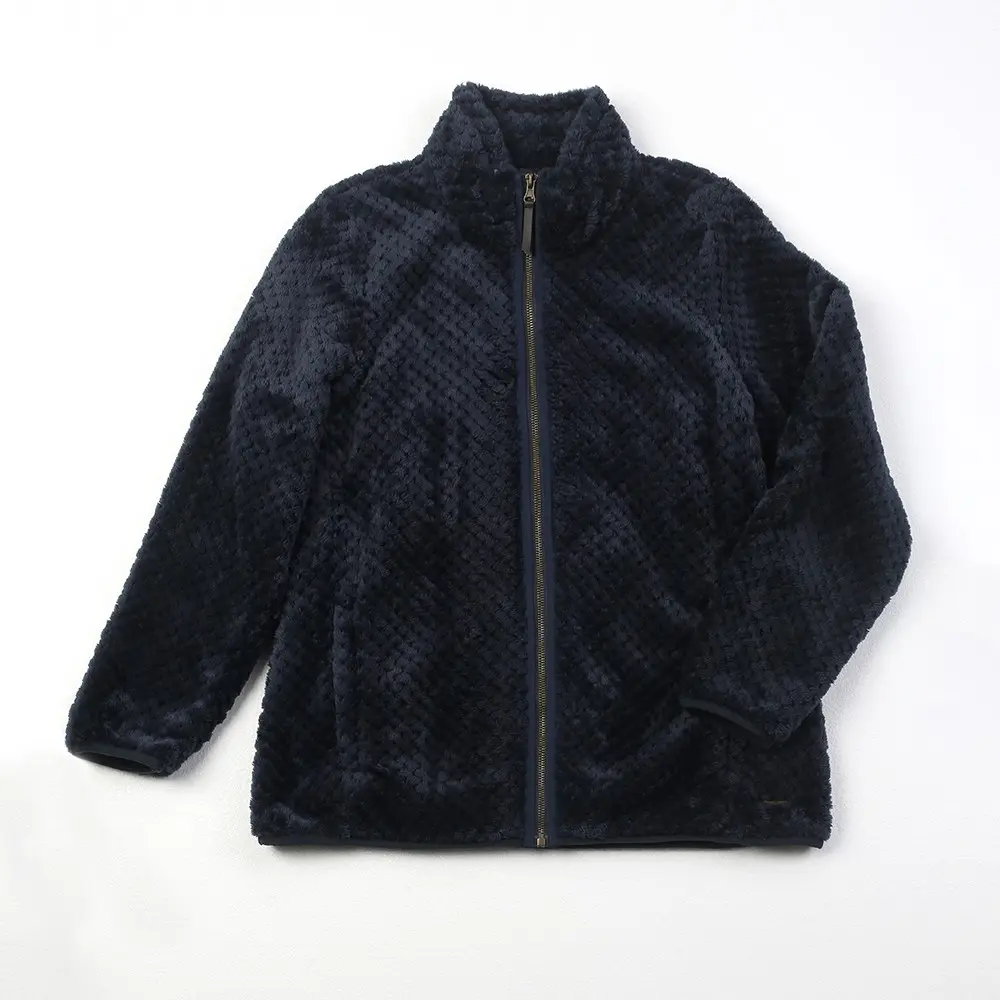
Fleece jackets are categorized by weight in grams per square meter (gsm) – the higher the number, the warmer the jacket.
| Type of Fleece Jacket | Weight (gsm) | Best Temperature Range | Best For |
|---|---|---|---|
| Lightweight | <200 | 50–65°F (10–18°C) | High-intensity activities, mild weather |
| Midweight | 200–300 | 45–60°F (7–15°C) | General outdoor use, everyday wear |
| Heavyweight | >300 | Below 45°F (7°C) | Low-intensity activities, cold weather |
Lightweight Fleece Jacket (<200 gsm)
Lightweight fleece is thin, breathable, and packs down small. It’s perfect for high-intensity activities where you generate a lot of body heat. These jackets dry extremely quickly and make excellent midlayers in colder weather.
Midweight Fleece Jacket (200–300 gsm)
Midweight fleece is the most popular and versatile option. It offers a good balance of warmth and breathability, making it suitable for most outdoor activities and everyday use.
Heavyweight Fleece Jacket (>300 gsm)
Heavyweight fleece provides maximum insulation for cold weather. It’s best for low-intensity activities where you don’t generate much body heat. These jackets are thicker and bulkier than lighter options but offer superior warmth.
Practical Fleece Wearing Tips
Layering Do’s and Don’ts
✅ Do: Start with a moisture-wicking base layer (avoid cotton, which retains moisture)
✅ Do: Add a fleece midlayer for insulation
✅ Do: Top with a windproof/waterproof shell in bad weather
❌ Don’t: Wear too many thick layers, which can restrict movement and cause overheating
❌ Don’t: Forget to cover your head, hands, and feet – you lose 30% of your body heat through your head
Fleece vs. Other Jacket Materials
People sometimes wonder when to wear a fleece jacket instead of other types of outerwear. Here’s a simple comparison:
| Feature | Fleece Jackets | Down Jackets | Synthetic Insulated Jackets |
|---|---|---|---|
| Warmth-to-Weight Ratio | Good | Excellent | Good |
| Warmth When Wet | Excellent | Poor | Good |
| Breathability | Excellent | Good | Good |
| Durability | Excellent | Moderate | Good |
| Maintenance | Easy | Moderate | Easy |
| Cost | Affordable | Expensive | Moderate |
Care and Maintenance
To keep your fleece jacket looking and performing its best:
- Wash in cold water with mild detergent
- Avoid fabric softeners, which can clog the fabric’s pores and reduce breathability
- Tumble dry on low heat or air dry
- Do not iron or dry clean
JINMAO fleece jackets feature anti-pilling technology that keeps them looking like new even after multiple washes.
Conclusion
Fleece jackets are one of the most versatile pieces of clothing you can own. They are perfect for temperatures between 40°F and 65°F, and can be layered with other garments for use in even colder conditions.
When choosing a fleece jacket, consider your activity level, the weather conditions, and how warm you need to be. Lightweight fleece is best for high-intensity activities, while heavyweight fleece is better for low-intensity activities and colder weather.
JINMAO offers a full range of high-quality fleece jackets for men, women, and children. Our jackets are designed for comfort, durability, and performance, making them perfect for everyday wear and outdoor adventures.
FAQ
What is the best temperature to wear a fleece jacket?
Fleece jackets are ideal for temperatures between 40°F and 65°F (4°C to 18°C). They can be worn alone in mild weather or as a midlayer in colder conditions.
Can you wear a fleece jacket in the rain?
Fleece is not waterproof and will get wet in heavy rain. However, it dries quickly and retains most of its warmth even when damp. For wet weather, wear a waterproof shell over your fleece jacket.
How do you wash a fleece jacket?
Wash fleece jackets in cold water with mild detergent. Avoid fabric softeners and bleach. Tumble dry on low heat or air dry to preserve the fabric’s softness and insulating properties.
Is fleece good for sports and hiking?
Yes, fleece is excellent for sports and hiking. It wicks moisture away from the skin, dries quickly, and retains warmth even when damp. Many hikers and athletes choose fleece as their midlayer of choice.
Can you layer fleece with other jackets?
Absolutely. Fleece works best as a midlayer under a windproof or waterproof outer jacket. This combination provides excellent warmth and protection from the elements.
What is the difference between polar fleece and regular fleece?
Polar fleece is a high-quality type of synthetic fleece made from polyester. It is warmer, softer, and more durable than regular fleece. Polar fleece also dries faster and resists pilling better than standard fleece.