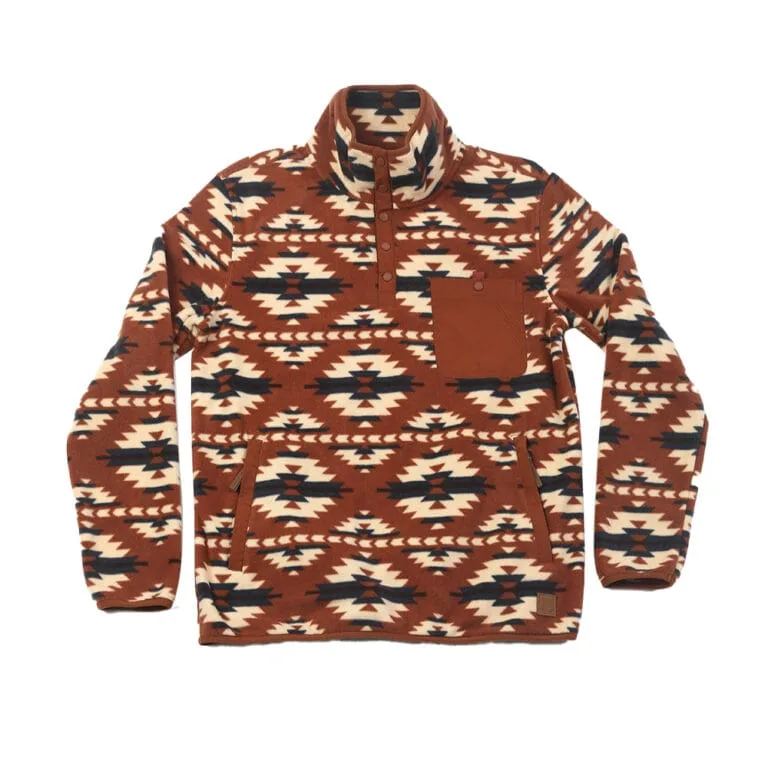
A bomber jacket feels good in many temperatures. Lightweight styles work well on mild days from 50°F to 65°F. Insulated ones keep you warm when it gets as cold as 20°F or 40°F. The material and insulation help people pick the right bomber jacket. Some people wear more layers to use the jacket longer. Many people think bomber jackets are useful and look good in different seasons.
Key Takeaways
- Lightweight bomber jackets work well in mild weather. They are best for temperatures from 45°F to 60°F. These jackets are great for spring and fall.
- Insulated bomber jackets help you stay warm in cold weather. They are good for temperatures from 30°F to 50°F.
- Layering is important in winter. Start with a thermal base layer. Add a sweater as the middle layer. Finish with a bomber jacket on top.
- Pick bomber jackets made from nylon or leather. These materials give more warmth and last longer in winter.
- Think about fit, material, and style when choosing a bomber jacket. This helps you stay comfortable and use your jacket in different seasons.
Bomber Jacket Temperature Range
Lightweight Bomber Jacket Temperatures
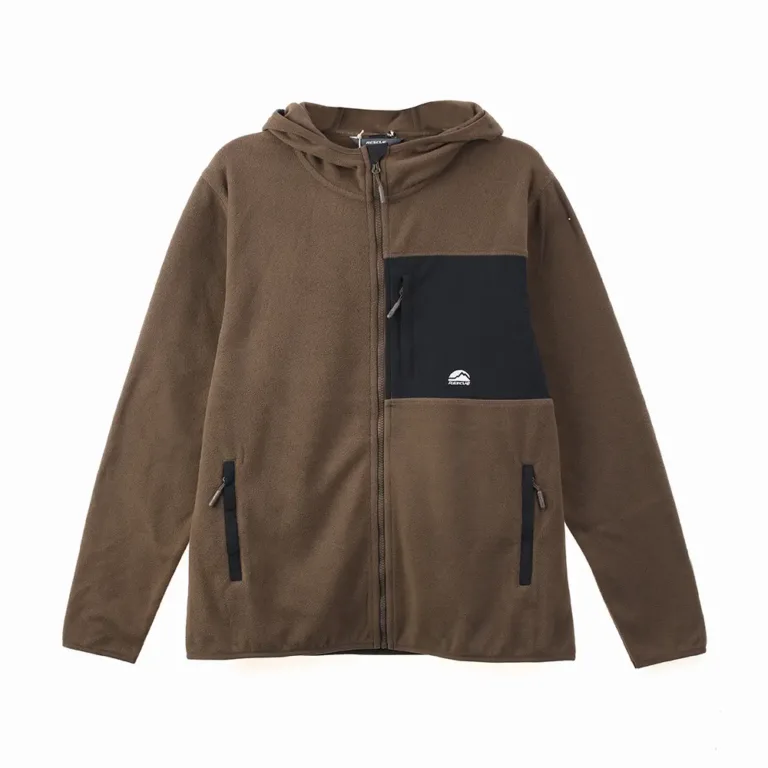
A lightweight bomber jacket is good for mild weather. People wear this jacket when it is 45°F to 60°F outside. It keeps you warm on cool mornings or windy afternoons. Most lightweight bombers are made from nylon, cotton, or mesh. These materials help you stay comfortable and not get too hot.
Tip: Lightweight bombers are great for spring and fall. They look nice and feel good when the weather changes fast.
The table below shows how different fabrics feel in a lightweight bomber jacket:
| Fabric Type | Best For | Pros | Cons |
|---|---|---|---|
| Nylon | Sporty, lightweight days | Strong, easy to clean, stops wind | Not very breathable, feels fake |
| Leather (Real/Faux) | Classic, cooler weather | Looks fancy, blocks wind, lasts long | Heavy, needs care, costs more |
| Cotton/Canvas | Casual, mild weather | Breathes well, comfy, good for nature | Not very waterproof, can wrinkle |
| Mesh/Performance | Athletic, warm climates | Breathes, light, dries fast | Not for cold or wet days |
| Wool | Vintage, chilly weather | Warm, classic style | Can itch, needs dry cleaning |
A lightweight bomber jacket does not have much padding. You can wear it over a t-shirt or hoodie. It is good when it is too warm for a thick coat but too cold for just a shirt.
Insulated Bomber Jacket in Winter
An insulated bomber jacket keeps you warm in winter. This jacket uses thick materials like leather or wool. Many insulated bombers have linings with down or fake fibers. These parts hold in heat and keep out cold air.
The best temperature for an insulated bomber jacket is 30°F to 50°F. Some thicker bombers keep you warm even at 32°F or lower. The table below shows the difference between insulated and lightweight bomber jackets:
| Feature | Insulated Bomber Jacket | Lightweight Version |
|---|---|---|
| Best For Temperatures | 30–50°F (-1–10°C) | 45–60°F (7–15°C) |
| Insulation | Lined inside | Not much padding |
| Wind Resistance | Very good | Some protection |
People pick a bomber jacket in winter because it blocks wind and keeps heat in. Ribbed collars, cuffs, and waistbands help stop warmth from leaving. These parts make the bomber jacket a smart pick for cold, windy days.
- The best temperature for an insulated bomber jacket is 0 to 15 degrees Celsius.
- Thicker bombers give more warmth in colder weather.
A bomber jacket in winter looks good and keeps you safe from the cold. You can wear it on snowy days or when it is very windy. The right bomber jacket in winter helps you enjoy being outside.
Why Bomber Jackets Work for These Temperatures
Insulation and Materials
A bomber jacket uses special materials to help people stay comfortable. These materials work in different kinds of weather. Many jackets have seams that are sealed tight. This keeps heat from getting out. It helps your body stay warm when it is cold outside. Some bomber jackets block wind so cold air cannot get in. These things make bomber jackets good for winter.
Many bomber jackets have layers that keep water out. These layers help the jacket stay dry in wet weather. They also help you stay warm. Some jackets have special closures that keep heat inside. Others have zippers that let you cool off if you get too hot. Pockets can help keep your hands warm and add extra warmth.
Shearling lining is another important material in bomber jackets. It holds in heat and keeps your body warm. Thick wool fibers make tiny air pockets. These pockets help control how warm you feel. High collars and ribbed cuffs stop cold air from getting inside. All these features work together to keep you warm in winter.
- Sealed seams keep heat inside.
- Windproofing stops cold air.
- Water-resistant layers help keep you warm.
- Shearling and wool hold in heat.
- Ribbed cuffs and high collars block cold drafts.
Wind and Weather Resistance
Bomber jackets protect you from wind and bad weather. Nylon ripstop fabric blocks wind and keeps water out. Some jackets have a special coating that makes rain roll off. This keeps the jacket dry and warm in winter.
The table below shows how wind resistance helps keep you warm in different seasons:
| Season | Jacket Type | Wind Resistance and Warmth Impact |
|---|---|---|
| Spring & Fall | Lightweight nylon or cotton bombers | Good for mild weather, blocks wind without causing overheating. |
| Winter | Heavy-duty bombers with shearling | Excellent warmth in cold weather due to strong insulation and wind blocking. |
Some bomber jackets have extra strong seams to keep heat from escaping. Good insulation spreads warmth all over the jacket. Jackets like the Patagonia DAS Light Hoody and Carhartt Rain Defender show how design and materials help block bad weather. These features help you stay warm in winter and enjoy being outside.
Note: A bomber jacket with wind and water resistance is good for style and protection on cold, windy, or rainy days.
Styling a Bomber Jacket by Season
Spring and Fall Looks
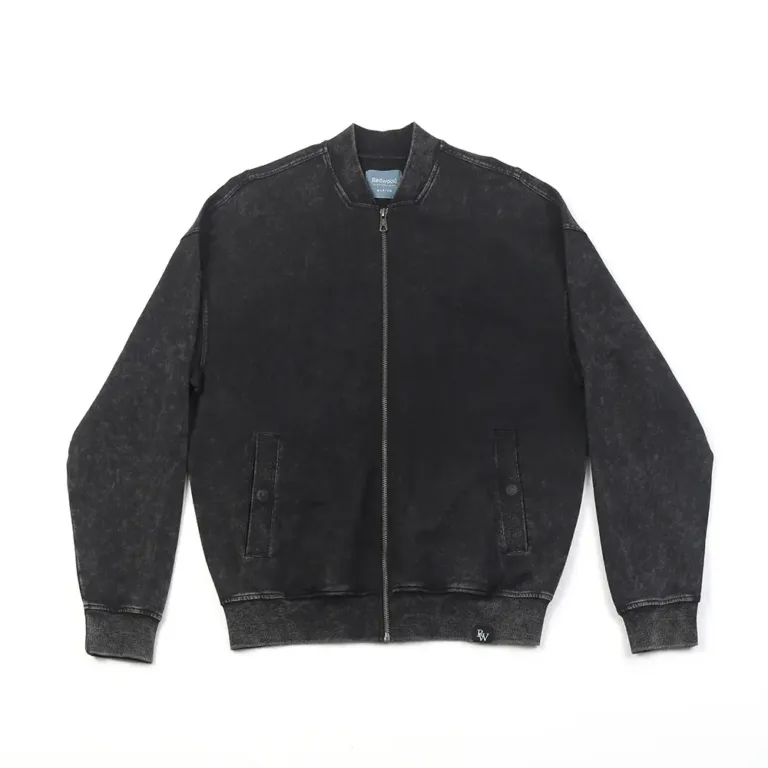
He can wear a bomber jacket in many ways in spring and fall. The jacket looks good with jeans, dresses, or leggings. Many people pick light colors for spring and brown or orange for fall. They often wear the jacket with plain t-shirts or skinny jeans. Some like short bomber jackets with high-waisted pants for a cool style. Others choose corduroy, satin, or leather to look trendy.
The table below shows popular ways to style bomber jackets in spring and fall:
| Trend Type | Description |
|---|---|
| Versatility | Bomber jackets go with dresses, jeans, leggings, and more. |
| Athleisure | Wear with leggings and sweaters for a relaxed look. |
| Monochrome | Dress in all-black or brown for a stylish look. |
| Day or Night | Good for both casual and fancy events, can take the place of a blazer. |
| Fabric Choices | Corduroy, satin, and leather are cool choices. |
| Silhouettes | Short bomber jackets look nice with high-waisted pants. |
Tip: In spring, thin fabrics and layers help him stay cool. In fall, thicker clothes and layers keep him warm and stylish.
People often wear cotton or polyester layers in spring. In fall, they use warm sweaters and quilted jackets. Layering in fall lets them mix different fabrics and try new looks.
Winter Styling Tips
She can be warm and look good with a bomber jacket in winter. Wearing layers is best when it is cold. The first layer keeps sweat away and skin dry. Long-sleeve shirts or thermal tops fit under the bomber jacket. The next layer keeps heat close to the body. Sweaters, sweatshirts, or fleece jackets work well. The last layer blocks wind, rain, and snow. A bomber jacket that stops water helps her stay warm outside.
- Base Layer: Long-sleeve shirts, thermal tops, or tight shirts.
- Middle Layer: Sweaters, sweatshirts, or fleece jackets.
- Outer Layer: Bomber jacket that keeps out bad weather.
Winter extras add warmth and style. Scarves and gloves keep out the cold. Beanies and leather gloves in simple colors make the outfit look nice. These extras help her look good and keep her hands and head warm.
Note: Wearing layers and picking the right bomber jacket helps him or her stay warm and stylish all winter.
Choosing a Bomber Jacket
When people want to wear a jacket that works for many seasons, they often look at bomber jackets. Brands like NOIHSAF, known for custom tracksuits and athletic apparel, show how important it is to pick the right jacket for comfort and style. The best bomber jacket depends on the material and features that match the weather.
Material Options
The material of a bomber jacket affects how people wear it in different temperatures. Some materials work better for cold days, while others feel best in warm weather. The table below shows how each material fits certain climates:
| Material | Temperature Suitability |
|---|---|
| Nylon | Ideal for colder months |
| Leather | Best for cooler climates |
| Knit/Wool Blends | Suitable for spring and fall |
| Lightweight Fabrics | Frequent use and everyday outfits |
| Heavyweight Cotton | Good for cooler temperatures |
| Nylon/Cotton Blends | Lightweight, great for daily use |
Nylon and leather help people stay warm when they wear a jacket in winter. Knit and wool blends work well for spring and fall. Lightweight fabrics feel good in warm weather and for daily wear. People should also think about durability. Leather and technical fabrics last longer and protect against the cold. Cotton feels soft and works for mild days, but it does not block water.
Features for Winter
A bomber jacket for winter needs special features to keep people warm. Experts suggest looking for these details:
- Insulated linings add extra warmth on cold days.
- Wind-resistant shells made from nylon, polyester, or leather block chilly air.
- Sealed construction keeps out drafts and helps people wear a jacket in winter.
- Ribbed cuffs and fitted waistbands trap heat and stop cold air from getting in.
- Zippered collars with snap storm flaps give more protection.
A well-designed lining gives more insulation. Ribbed cuffs fit snugly and keep warmth inside. These features help people wear a jacket in winter and stay comfortable. When people choose a bomber jacket, they should match the features to the season. This way, they can wear the jacket in both cold and warm weather.
FAQ
What is the best season to wear a bomber jacket?
A bomber jacket can be worn in spring or fall. Both seasons offer mild temperatures, making the jacket both comfortable and stylish. A lightweight bomber jacket is especially suitable for cool mornings and evenings.
Can someone wear a bomber jacket in summer?
A bomber jacket is a good choice for cool summer days. Lightweight mesh or cotton fabrics will keep you comfortable. Most people avoid wearing heavy bomber jackets in hot weather.
How should you layer a bomber jacket in winter?
You should first wear a thermal undershirt. Next, you can add a sweater or fleece. Finally, put on a bomber jacket. This method provides both warmth and wind protection.
What features make a bomber jacket good for cold weather?
| Feature | Benefit |
|---|---|
| Insulated lining | Keeps body warm |
| Ribbed cuffs | Stops cold air |
| Windproof shell | Blocks wind |
| High collar | Protects neck |
Tip: These are the features to keep in mind when choosing a winter bomber jacket.