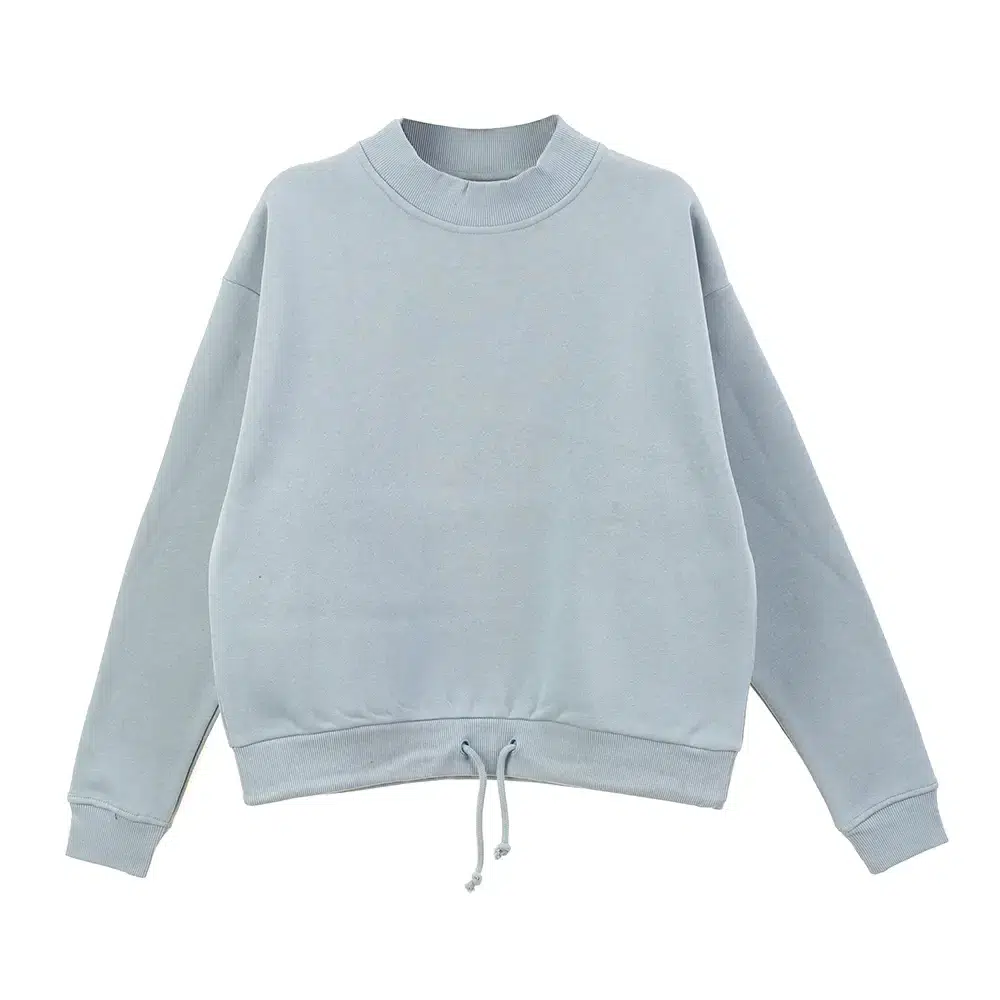
Recycled polyester fleece is widely considered one of the most practical eco-friendly fleece options, as it repurposes plastic waste and reduces reliance on virgin petroleum materials. Natural alternatives such as organic cotton, hemp, and TENCEL™ fleece also offer strong environmental benefits, particularly in terms of biodegradability and renewable sourcing.
Eco-friendly fleece materials are designed to reduce environmental impact throughout their lifecycle—by using recycled or renewable inputs, minimizing water and energy consumption, and avoiding harmful chemicals. As sustainability becomes a priority in fashion, especially among younger consumers, demand for responsibly produced fleece garments continues to grow.
Choosing the right fleece not only improves comfort and performance but also contributes to a more sustainable wardrobe.
Key Takeaways
- Recycled polyester fleece is a widely used eco-friendly option, as it repurposes plastic waste and reduces energy consumption compared to virgin polyester
- Natural materials like hemp and organic cotton offer low-impact cultivation and biodegradability
- Look for certifications such as GOTS, OEKO-TEX, or bluesign to ensure environmental and safety standards
- Washing fleece less frequently and using microfiber-catching bags helps reduce microplastic pollution
- Choosing eco-friendly fleece supports both sustainable production and long-term environmental impact reduction
Which Fleece Material Is the Most Eco-Friendly?

Best Overall: Recycled Polyester Fleece
Recycled polyester fleece is one of the most widely adopted eco-friendly fleece materials. It is made from post-consumer plastic, such as PET bottles, which helps reduce landfill waste and ocean pollution.
Compared to virgin polyester, recycled fleece requires significantly less energy and generates fewer greenhouse gas emissions. It also maintains strong durability and performance, making it suitable for both everyday wear and outdoor use.
Key benefits:
- Reduces plastic waste by reusing existing materials
- Lower carbon footprint compared to virgin polyester
- Durable and long-lasting
Note: While recycled polyester improves sustainability, it can still release microplastics during washing, which should be managed with proper care.
Best Natural Option: Hemp Fleece
Hemp fleece is one of the most sustainable natural fleece materials. Hemp grows rapidly, requires minimal water, and does not rely heavily on pesticides or synthetic fertilizers.
Its deep root system improves soil structure and reduces erosion, making it a regenerative crop. In addition, hemp fibers are biodegradable, allowing the material to break down naturally at the end of its lifecycle.
Best for Comfort: Organic Cotton Fleece
Organic cotton fleece is valued for its softness and skin-friendly properties. Unlike conventional cotton, organic cotton is grown without synthetic pesticides or harmful chemicals, making it a safer choice for both consumers and farmers.
However, cotton cultivation can still require significant water resources, so its environmental impact depends on farming practices and sourcing.
Certifications such as GOTS, OEKO-TEX, and bluesign indicate higher sustainability and safety standards.
Best for Performance: Merino Wool Fleece
Merino wool fleece is a natural, high-performance material known for its temperature regulation, moisture-wicking ability, and odor resistance.
Unlike synthetic fleece, merino wool does not release microplastics and is fully biodegradable under natural conditions. It is particularly suitable for outdoor and active use.
However, sustainability also depends on responsible animal farming and ethical sourcing.
What Makes a Fleece Material Eco-Friendly?
Raw Material Source
Eco-friendly fleece typically uses recycled materials or renewable natural fibers. Recycled polyester reduces plastic waste, while materials like hemp and wool rely on renewable biological resources.
Environmental Impact of Production
Traditional polyester production relies on fossil fuels and energy-intensive processes. In contrast, recycled or plant-based fleece materials can significantly reduce carbon emissions, water usage, and chemical pollution.
Durability and Microfiber Pollution
Durability plays a key role in sustainability. Longer-lasting garments reduce the need for frequent replacement, lowering overall environmental impact.
Synthetic fleece, however, can release microfibers during washing. Using laundry filters or washing bags can help mitigate this issue..
How to Choose the Right Eco-Friendly Fleece
Daily Wear vs Outdoor Performance
For everyday comfort, fleece materials such as organic cotton fleece and hemp fleece offer a soft, breathable feel that’s ideal for daily wear.
For outdoor activities, recycled polyester fleece and merino wool fleece provide greater durability, insulation, and moisture management in changing conditions.
Sustainability vs Function Trade-offs
Each material involves trade-offs:
- Recycled polyester: durable but may release microplastics
- Hemp: highly sustainable but less soft
- Organic cotton: comfortable but water-intensive
- Merino wool: high performance but dependent on ethical sourcing
The best choice depends on your priorities between environmental impact, comfort, and performance.
Conclusion
Choosing the most eco-friendly fleece means balancing sustainability, performance, and comfort. Recycled polyester fleece is often the best overall choice for reducing plastic waste, while natural options like hemp, organic cotton, and merino wool offer benefits such as biodegradability and lower chemical use.
There’s no single best option for every need. Merino wool and recycled polyester work well for outdoor performance, while organic cotton and hemp are ideal for everyday comfort.
By selecting certified eco-friendly materials and adopting simple care habits—like washing less often—you can reduce environmental impact without sacrificing comfort or functionality.
FAQ
What is the most eco-friendly fleece material?
Recycled polyester fleece is widely considered the most eco-friendly overall because it repurposes plastic waste and reduces the need for virgin petroleum-based materials. However, hemp and merino wool are strong natural alternatives.
Is recycled polyester fleece really sustainable?
Yes, it is more sustainable than virgin polyester because it uses existing plastic (like PET bottles) and requires less energy to produce. However, it can still release microplastics during washing.
Which fleece is best for sensitive skin?
Organic cotton fleece is usually the best choice for sensitive skin because it is soft, breathable, and free from harsh chemicals.
Does fleece cause microplastic pollution?
Synthetic fleece (like polyester) can shed microfibers during washing. Using a laundry bag or filter can help reduce this environmental impact.
Are natural fleece materials better than synthetic ones?
Natural materials like hemp and merino wool are biodegradable and do not release microplastics, making them more environmentally friendly in that sense. However, they may require more resources depending on production methods.