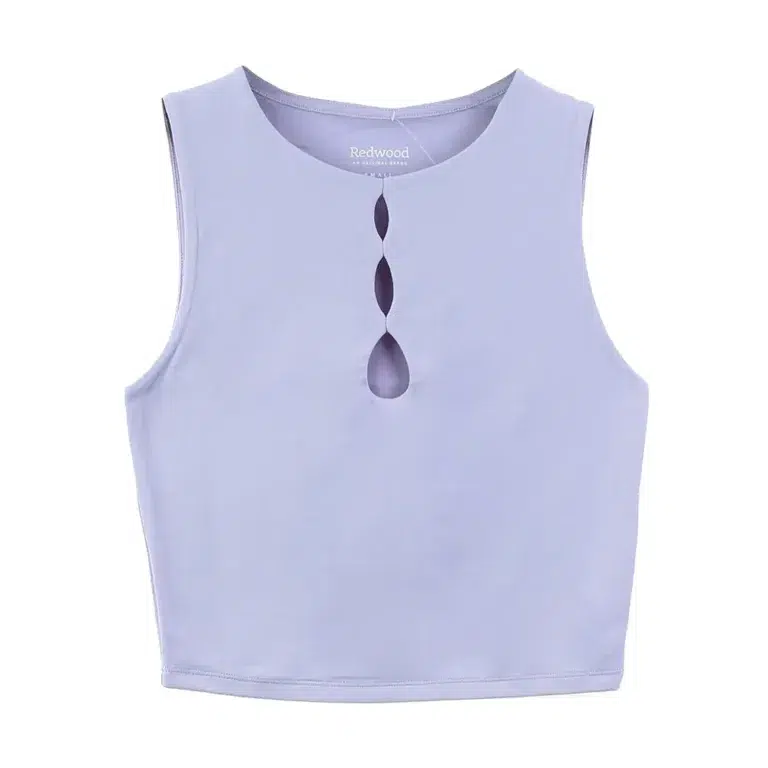
Washing tank tops in cold water will keep them clean. Use a mild detergent and select a gentle wash cycle. Proper care can prevent tank tops from shrinking or fading. Studies have shown that high temperatures, vigorous washing, and not reading the care label can all cause tank tops to shrink and damage the garment. Turn the tank top inside out and follow the washing instructions. This helps protect printed patterns and athletic fabrics. Doing this will help keep your tank tops looking new for a long time.
Key Takeaways
- Always read care labels before washing tank tops. They provide important instructions to keep your tops in good shape.
- Sort tank tops by color and fabric to prevent damage and keep them looking bright. Create separate piles for whites, lights, and darks.
- Turn tank tops inside out before washing. This protects prints and reduces fading during the wash cycle.
- Use cold water and gentle detergent for washing. This prevents shrinkage, fading, and keeps tank tops fresh without harsh chemicals.
- Air dry tank tops instead of using a dryer. This method prevents shrinkage and helps maintain the shape and quality of the fabric.
Step-by-Step Washing Instructions
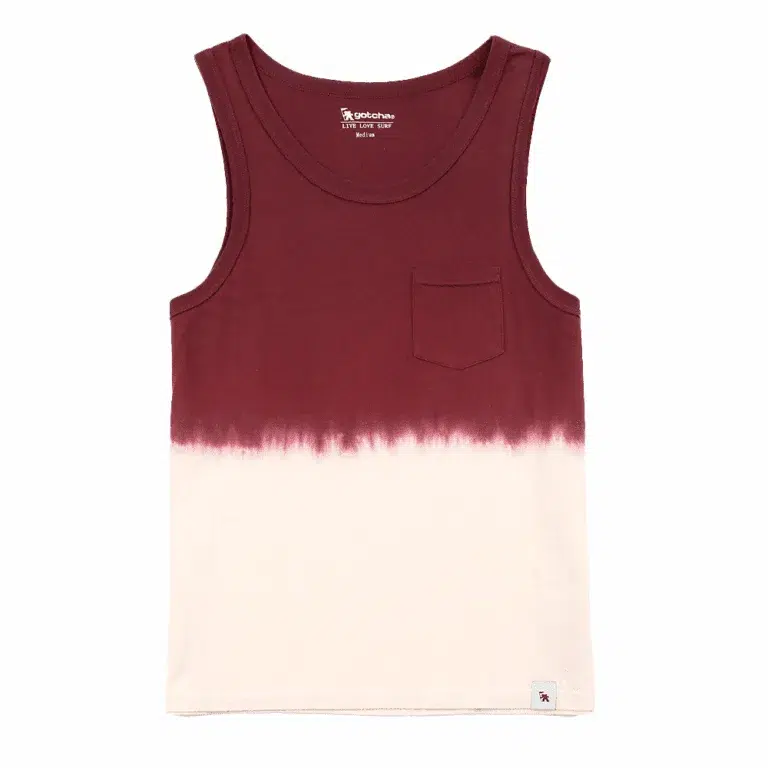
Read care labels
People should check the care label before washing their tank tops. These labels will tell you the best way to keep your tank tops clean and in good condition. The symbols on the label will tell you whether the tank top needs gentle machine washing, hand washing, or should not be washed at all. The table below explains common care symbols on care labels:
| Washing Symbol | Meaning |
|---|---|
| Washtub with no lines | Normal wash |
| Washtub with one line underneath | Permanent press cycle |
| Washtub with two lines underneath | Gentle cycle |
| Washtub with hand | Hand wash |
| Washtub with an X across | Do not wash |
| Twisted garment with an X across | Do not wring out the garment |
Reading these symbols helps people avoid mistakes and supports washing without damage.
Sort by color and fabric
Sort your tank tops before washing to keep them looking new and prevent damage. It’s recommended to divide them into three piles: white, light-colored, and dark-colored. This prevents dark clothes from staining light-colored ones. Additionally, sort them by fabric weight. Heavier fabrics are more likely to rub against lighter tank tops, causing wear or fading. Sort by color and fabric to help avoid damage during washing and keep your tank tops clean.
Turn inside out
Turning tank tops inside out before washing protects prints, logos, and delicate fabrics. This step reduces friction during washing and prevents fading and pattern cracking. It’s recommended to zip up the tank top and turn it inside out before putting it in the washing machine. This simple step helps extend the tank top’s lifespan.
Use cold water and gentle detergent
Washing tank tops with cold water and a mild detergent yields the best results. Cold water (up to 30°C or 86°F) prevents shrinkage and fading, saves energy, and is gentle on fabrics. Modern detergents are also effective at removing dirt and grease in cold water. Cold water also helps reduce microfiber contamination in the water. Mild detergents protect the fibers, keeping the tank top clean without the need for harsh chemicals. Never use bleach or strong cleaners, especially when washing printed or custom tank tops.
The table below lists the advantages of using cold water and a mild detergent:
| Advantage | Explanation |
|---|---|
| Energy Savings | Cold water avoids the high energy costs of heating water. |
| Reduced Wear and Tear | Cold water is gentler on fabrics, so tank tops last longer. |
| Improved Detergent Effectiveness | Modern detergents clean well in cold water and remove dirt and grease. |
Cold water also helps keep colors bright and reduces wrinkles.
Select gentle cycle
When machine washing tank tops, always choose a gentle or fine wash cycle. These cycles use lower spin speeds and less agitation, helping to prevent the tank top from deforming, pilling, and fading. For tank tops made of polyester or blended fabrics, turning them inside out and using a gentle wash cycle will help maintain their condition. Avoid using hot water and strong-duty wash cycles to keep the tank top looking new.
Step-by-step instructions for machine and hand washing
Machine Washing:
- Read the care label for special instructions.
- Sort tank tops by color and fabric.
- Turn tank tops inside out.
- Place tank tops in a mesh laundry bag for extra protection.
- Add gentle detergent.
- Set the washer to cold water and select the gentle cycle.
- Start the wash and remove tank tops promptly after the cycle ends.
Hand Washing:
- Fill a basin with cool water and add gentle detergent.
- Submerge the tank top and gently move it in the water.
- Let it soak for 10-15 minutes.
- Rinse with cool water until all detergent is gone.
- Lay the tank top flat to dry away from sunlight.
Tip: Never use bleach or wring out tank tops. These actions can damage the fabric and cause fading.
By following these steps, people can wash tank tops and keep them clean, fresh, and long-lasting.
Drying and storing tank tops
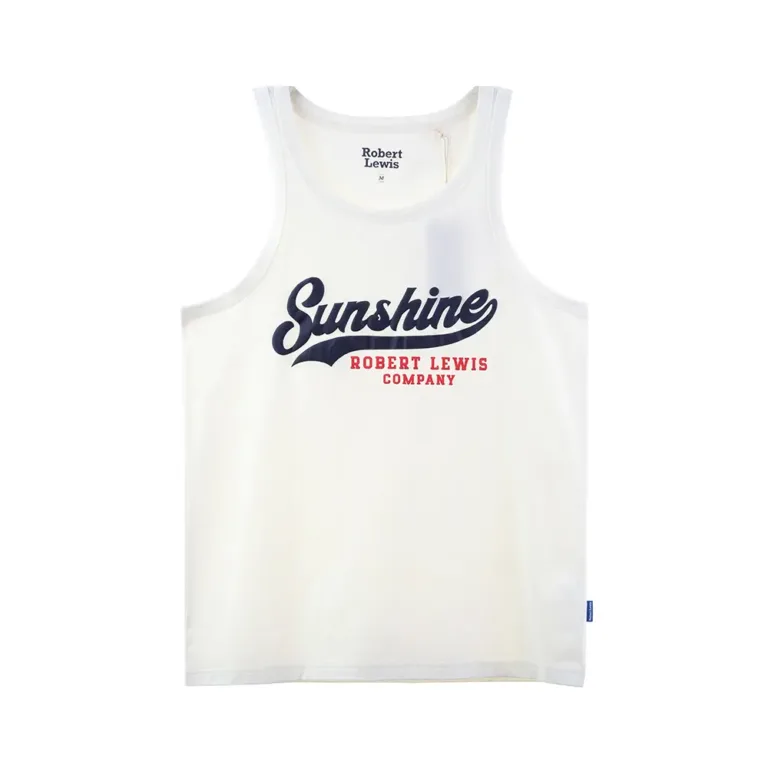
Air drying vs. machine drying
Air drying protects tank tops from damage. People typically hang them on a clothesline or lay them flat on a towel. This method avoids high temperatures and helps maintain the fabric’s strength. Machine washing and tumble drying can cause shrinkage, especially with cotton fabrics. The high temperatures of a dryer can shrink a tank top, making it uncomfortable to wear. Low or gentle settings are safer, but air drying is the best way to maintain a tank top’s shape and size. On a sunny, breezy day, a tank top will dry in 2 to 4 hours outdoors. Indoors, lightweight tank tops may take 4 to 6 hours to dry. Air drying is energy-efficient and extends the lifespan of your tank top.
Prevent shrinkage and stretching
Properly drying tank tops can prevent shrinkage and deformation. Hanging cotton tank tops to air dry allows them to air dry naturally, preventing the fabric from shrinking. Avoid wringing tank tops after washing, as this stretches the fibers and damages their shape. Using a dryer at high temperatures increases the risk of shrinkage. Laying tank tops flat or hanging them to dry will maintain the fabric’s crispness. Before drying, always align the shoulders and side seams to maintain a neat appearance and prevent deformation.
Tip: Lay tank tops flat on a clean towel to dry. This method keeps the shape and stops stretching.
Store to keep shape
Storing tank tops correctly keeps them wrinkle-free and helps them stay in good shape. People use several methods:
- File fold: Fold tank tops into a rectangle and stand them upright in drawers. This makes them easy to see and grab.
- Ranger roll: Roll tank tops tightly from the bottom hem to the straps. This method works well for athletic wear and prevents wrinkles.
- Hanging: Use hangers for delicate fabrics. Multi-tiered hangers or shower curtain rings save space and keep tank tops organized.
Organizers in drawers help keep folded tank tops neat. Align the shoulders and side seams before folding. Fold inward and upward to create a compact shape. These steps help tank tops stay fresh and ready to wear.
How often should you wash tank tops?
After each regular wear
People often wonder how often tank tops should be washed. Textile experts recommend washing tank tops after each wear, especially when the fabric is in direct contact with the skin. Sweat, oil, and dirt can quickly build up. Washing removes these impurities and keeps the tank top fresh. If the tank top is worn as an inner layer, it should be washed after each wear. This habit prevents bacterial growth and keeps it comfortable.
Some people wear tank tops under other clothing. In this case, the tank top can stay clean for a longer time. If the tank top doesn’t come into direct contact with the skin or is only worn for a short period, it can be washed every one or two wears. Before deciding whether to wash it, check for stains or odors. Keeping tank tops clean helps extend their lifespan and maintain their appearance.
Tip: Always wash tank tops after heavy activity or when they feel dirty. This practice keeps the fabric in top shape.
Special guidelines for workout tanks
Workout tanks require special care. These garments absorb sweat and odors during exercise. Experts suggest washing workout tanks after every workout. This routine prevents odor buildup and keeps the fabric clean. People should use eco-friendly cleaning methods for workout tanks. Vinegar or baking soda rinses help remove smells and keep the material fresh.
Workout tanks made from performance fabrics need gentle washing. Washing after each workout stops bacteria from growing and protects the fibers. People should avoid harsh detergents and high heat. Air drying keeps workout tanks in good condition. Workout tanks with prints or logos need extra attention. Turning them inside out before washing helps keep designs clean and bright.
Workout tanks stay comfortable and clean when people follow these steps. Regular washing keeps workout tanks ready for every activity.
Conclusion
Learning how to wash tank tops properly is the simplest way to prevent shrinking, fading, and fabric damage, while extending the lifespan of your garments. By following care labels, sorting by color and fabric, washing in cold water on a gentle cycle, and air-drying instead of machine drying, you can keep tank tops looking clean, bright, and like new for much longer. For workout tanks, extra care like immediate washing and avoiding harsh chemicals helps maintain performance and freshness. With these easy steps, you can protect both everyday and athletic tank tops effectively while keeping them in great shape.
FAQ
How can someone prevent tank tops from shrinking?
People should wash tank tops in cold water and avoid high heat in the dryer. Air drying works best. This method keeps the fabric strong and prevents shrinkage.
Is it safe to use fabric softener on tank tops?
Fabric softener can damage performance fabrics and reduce moisture-wicking ability. People should skip fabric softener for athletic tank tops. Cotton tank tops may tolerate it, but always check the care label.
What is the best way to remove tough stains from tank tops?
People can treat stains by applying a paste of baking soda and water. Let the paste sit for 15 minutes. Wash the tank top in cold water with gentle detergent. Repeat if needed.
Can someone wash tank tops with other clothes?
People can wash tank tops with similar colors and fabrics. Sorting prevents color bleeding and fabric damage. Mesh laundry bags offer extra protection for delicate tank tops.