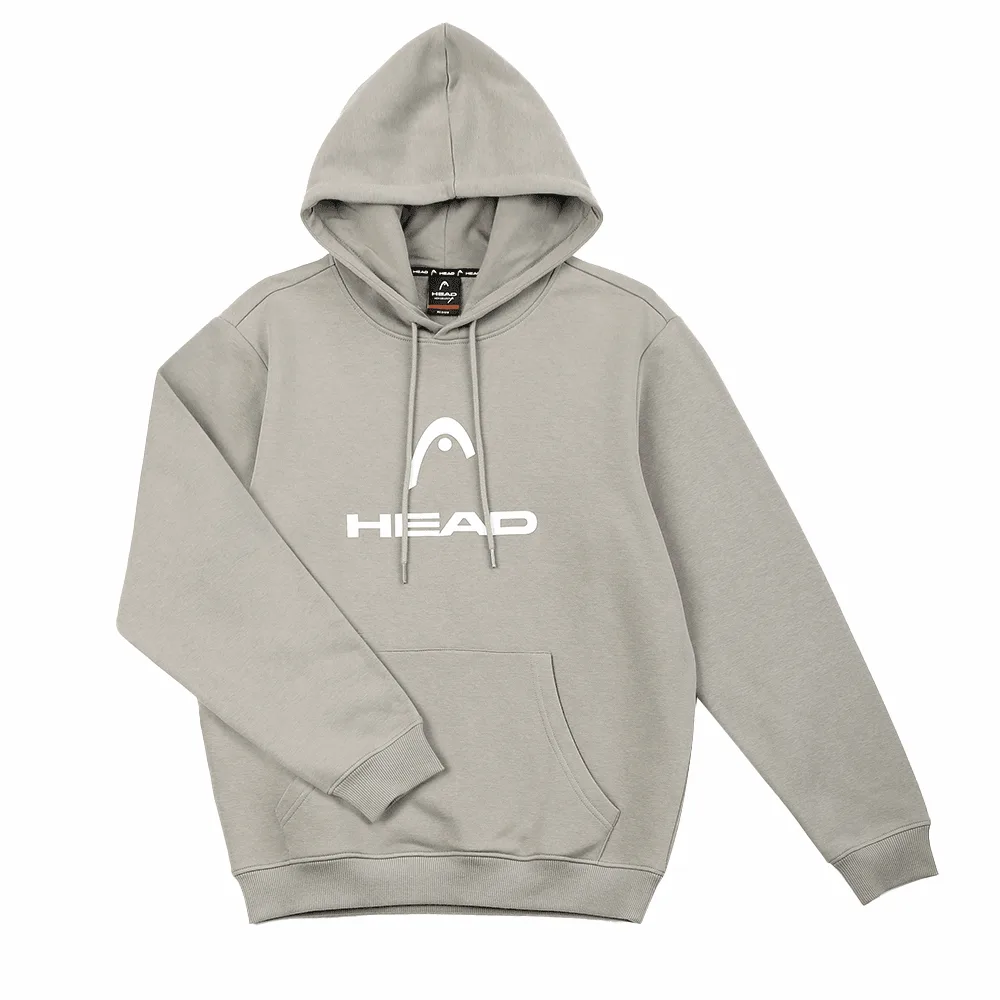
People often wonder if polar fleece is the warmest clothing. Picture someone looking for a winter outfit. They want it to be warm and cozy. Some think thick fabrics like sherpa are warmer. Warmth depends on how well the material holds air. Polar fleece can be warmer than thick fabrics. Its special design keeps heat inside better. Picking fleece for tracksuits needs you to think about a few things:
| Factor | Description |
|---|---|
| Material Quality | Good fleece feels soft, keeps you warm, and dries sweat. |
| Fit and Comfort | The right fit makes you feel good and move easily. |
| Design and Style | Colors and styles let you show your personality. |
| Brand Reputation | Well-known brands give better quality and make you happy. |
| Price Point | You need to match the price with what you get. |
NOIHSAF is special because it has custom tracksuits in many fleece types. These tracksuits mix style and good use for winter fun.
Key Takeaways
- Polar fleece is a great pick for winter clothes because it keeps heat in and gives good insulation.
- The fabric is light and comfy, so you can wear layers without feeling heavy.
- Polar fleece stays warm even if it gets wet, so it is good for outdoor winter fun.
- Taking care of fleece, like washing it in cold water, helps it stay soft and last longer.
- Picking the right thickness and weight of fleece can make you warmer and more comfortable for different winter things.
What is polar fleece?
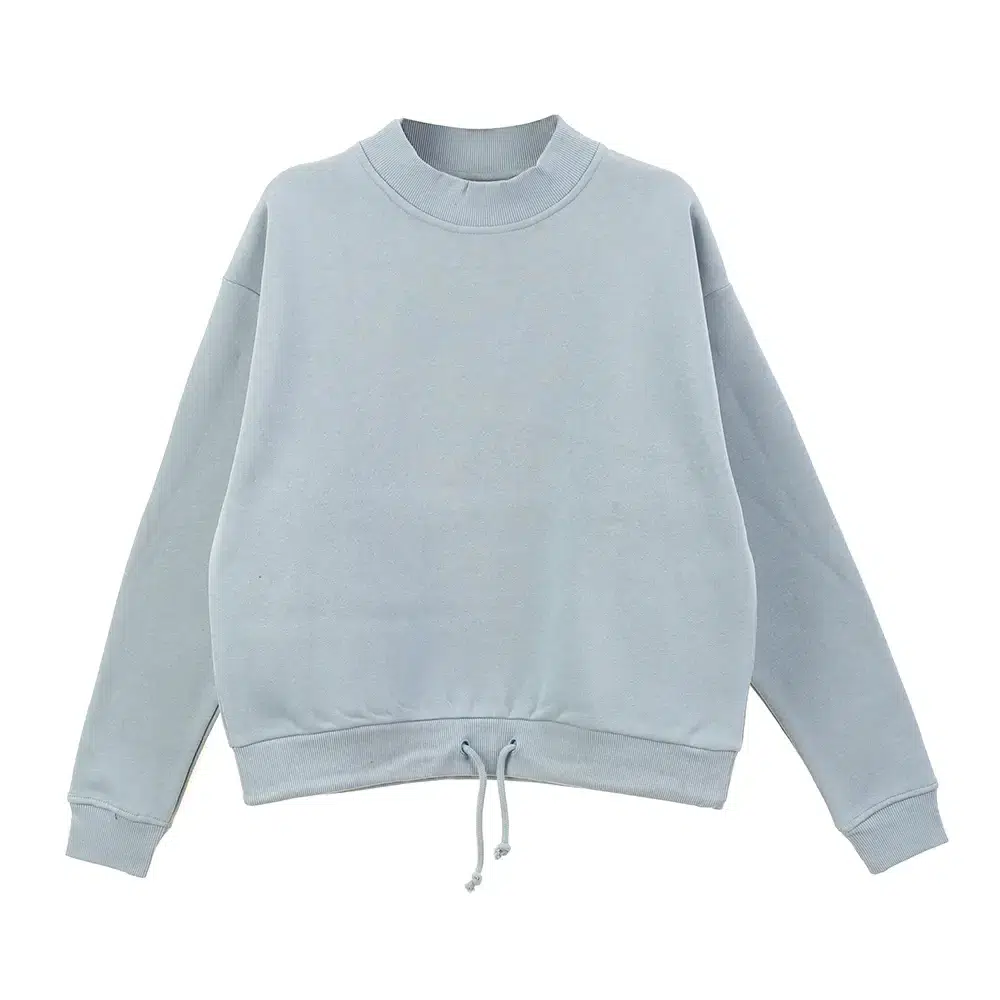
Polar fleece is a fabric people use for warm clothes. Many people pick fleece for jackets, sweaters, and tracksuits. It feels soft and helps keep you warm. The fabric is light, so you can wear it easily in cold weather. You can also layer it with other clothes. Polar fleece is like wool in some ways. But it is made from man-made materials and has special benefits.
How polar fleece is made
Manufacturers make polar fleece from polyester fibers. They spin these fibers into yarn. Then, they knit the yarn into fabric. Next, they brush the fabric to make it fluffy. This brushing step lifts the fibers and makes the fleece soft. The pile traps air, which helps keep heat in. Polyester fibers are made into long strands. This makes the fabric strong and stops pilling. The brushed surface helps the fleece stay warm and let air move through. The fabric stays warm even if it gets wet. It also feels good after many washes.
Tip: Brushing makes polar fleece thicker and softer. This is why it works well for cold weather.
Key features of polar fleece
Polar fleece has many features that make it great for winter:
- It keeps heat in and gives good insulation.
- It is light, so you can wear layers without feeling heavy.
- It does not soak up water, so it stays warm when wet.
- It feels soft and comfy for daily use.
- You can wash it in a machine, and it lasts a long time.
- It stretches well because of its strong knit.
- It does not get cold, burn easily, or make static, so it is safe.
- You can dye it bright colors and knit it into many patterns.
The warmth retention of fleece fabric
How polar fleece retains heat
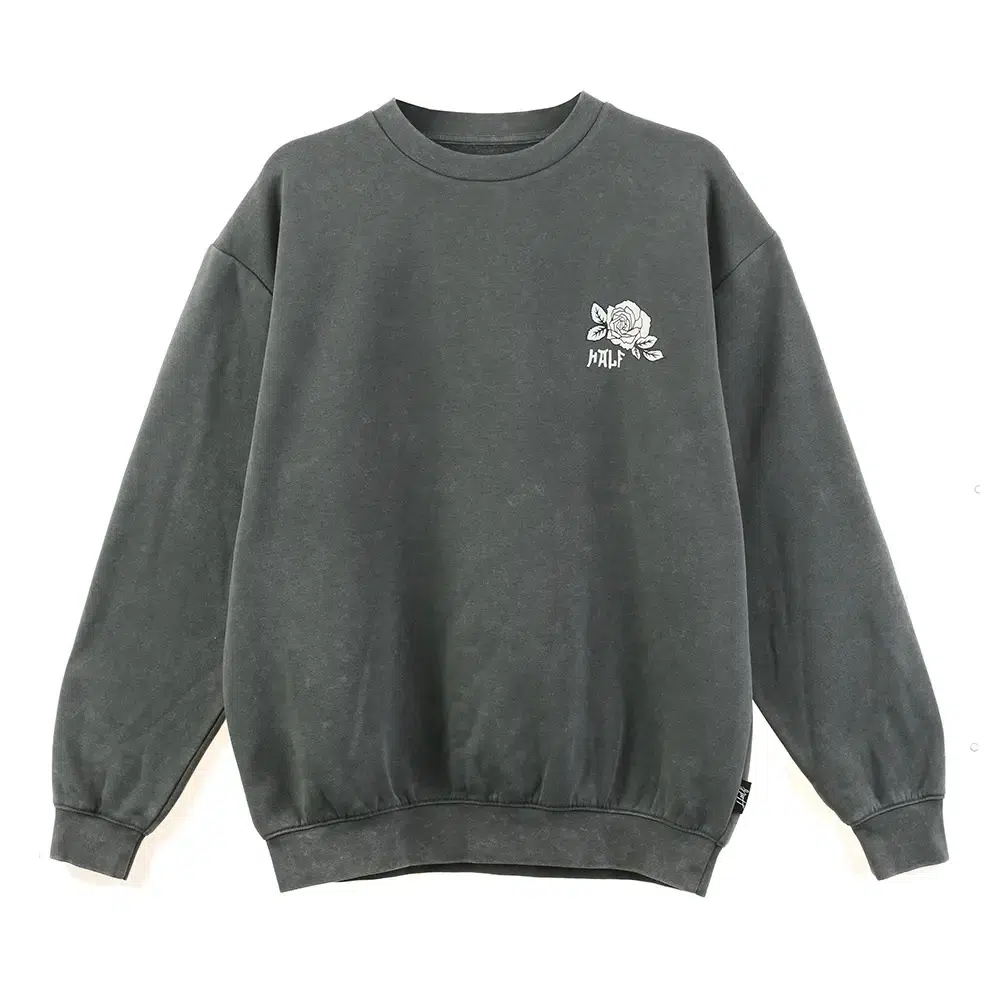
Polar fleece is a good choice for staying warm in winter. The fabric has a fluffy structure that traps air inside. This trapped air acts like a wall. It keeps your body heat close and stops cold air from getting in. Many people feel cozy when they wear fleece jackets or tracksuits in winter. The warmth comes from the way the fibers hold air. These fibers make small pockets that slow down heat loss.
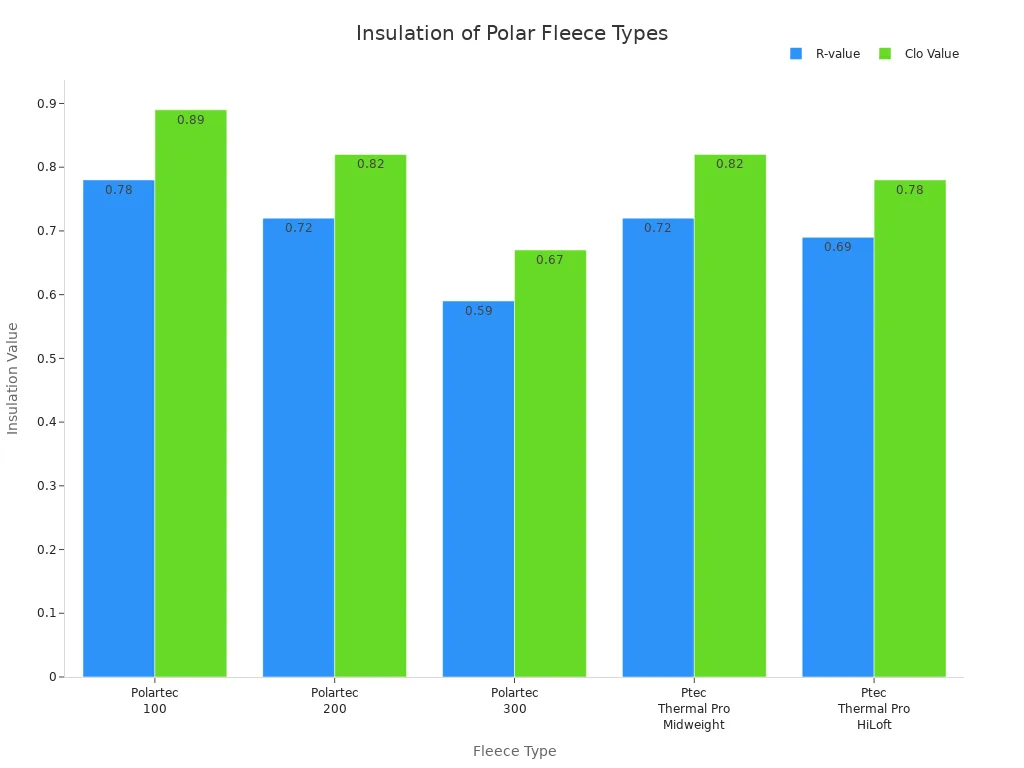
Scientists use R-value and clo value to measure insulation. Bigger numbers mean the material is warmer. The table below shows how different fleece types work:
| Fleece Type | R-value | Clo Value | Comparison with Batt Insulation |
|---|---|---|---|
| Polartec 100 | 0.78 | 0.89 | Effective |
| Polartec 200 | 0.72 | 0.82 | Effective |
| Polartec 300 | 0.59 | 0.67 | Effective |
| Ptec Thermal Pro Midweight | 0.72 | 0.82 | Effective |
| Ptec Thermal Pro HiLoft | 0.69 | 0.78 | Effective |
People like to compare polar fleece to wool and down. Wool has a higher thermal resistance than fleece. But fleece still gives good insulation. The table below shows the difference:
| Material | Thermal Resistance (clo) |
|---|---|
| Polar Fleece | 0.9–1.2 |
| Wool | 1.5–2.0 |
Breathability and moisture control
Fleece fabric is renowned for its breathability. This fabric allows air to circulate freely, meaning sweat doesn’t build up inside. People feel dry and comfortable when wearing fleece. Fleece quickly wicks moisture away from the skin, helping you stay warm during winter sports or outdoor activities.
People love fleece because of its excellent moisture control. This fabric dries quickly after washing or getting wet, helping people stay warm and comfortable in winter. Brands like NOIHSAF use special fabrics in their fleece jackets and sportswear that make fleece even more breathable and comfortable. Many people choose fleece for winter clothing because it keeps them warm and dry.
Tip: Fleece works best for winter warmth when you wear it with other clothes. This keeps heat in and lets sweat out.
Fleece gives people a cozy feel, good insulation, and dries fast. These features make polar fleece a top pick for winter clothes.
Polar fleece vs wool
Warmth and comfort
Polar fleece and wool both help people stay warm in winter. Each material uses a different method to keep heat close to the body. Polar fleece traps air inside its fluffy structure. This air acts as insulation and blocks cold. Wool uses its natural fibers and crimped shape to make air pockets. These pockets hold body heat and help regulate temperature. Both materials give strong warmth, but they feel different.
Many people notice that polar fleece gives warmth without bulk. The fabric feels light and soft. It does not weigh down the wearer. Wool, especially Merino wool, offers great insulation and warmth. Some users find wool itchy, but others enjoy its cozy feel. User reviews show that polar fleece is often more comfortable because it does not itch and feels lighter. Wool keeps people warm and pulls moisture away from the skin. Both materials work well for winter, but polar fleece stands out for its cozy feel and warmth without bulk.
Tip: Polar fleece works best for those who want warmth without bulk and a cozy feel during winter activities.
Weight and care
Weight matters when choosing winter clothing. Polar fleece feels light and easy to wear. It gives warmth without bulk, making it simple to layer under jackets or tracksuits. Wool feels heavier, but it gives strong insulation. Some people like the extra weight for added warmth.
Wool requires different care and maintenance methods. Textile experts recommend special care for wool. Wool garments should be washed in cold water with a mild detergent, laid flat to dry, and stored in an airtight container to prevent moth infestation. Fleece also needs to be washed in cold water; adding a small amount of vinegar during rinsing helps maintain its freshness. Fleece should be stored in a cool, dry place, away from direct sunlight. Both materials are durable with proper care, but fleece is easier to wash and dry.
Fleece fabric is comfortable, warm, easy to care for, and lightweight and breathable. Wool has good insulation and warmth but requires careful handling. Both materials help people stay warm in winter, but fleece stands out for its comfort and ease of care.
Polar fleece vs down
Extreme cold performance
Polar fleece and down both help people stay warm in winter. Down comes from the soft feathers under a bird’s outer layer. It traps air and gives strong insulation. People often wear down jackets in very cold places. Down feels light and packs small, so travelers like it. Polar fleece uses fluffy polyester fibers to trap air. This creates pockets that hold warmth close to the body. Fleece jackets and tracksuits give a cozy feel during winter activities. Some people notice that down gives more warmth in freezing temperatures. Others prefer fleece because it feels soft and does not weigh much.
A table shows how these materials compare:
| Feature | Polar Fleece | Down |
|---|---|---|
| Warmth | Good | Excellent |
| Insulation | High | Very High |
| Weight | Lightweight | Ultra-light |
| Cozy Feel | Very Cozy | Cozy |
| Winter Use | Great for layering | Great for extreme cold |
Tip: Down works best for dry, cold days. Fleece gives a cozy feel and warmth for active winter fun.
Wet weather use
Polar fleece stands out in wet weather. The fibers do not soak up water, so the fabric keeps warmth even when wet. People who ski or snowshoe often choose fleece jackets. They stay warm and dry during winter sports. Down loses its loft and insulation when it gets wet. The feathers clump together, and warmth drops fast. Fleece remains reliable in rain, snow, or sweat. Many people pick fleece for winter because it keeps a cozy feel no matter the weather.
Polar fleece offers warmth, insulation, and a cozy feel for winter. Down gives strong warmth but needs dry conditions. People who want reliable warmth and comfort in wet winter weather often choose fleece.
Polar fleece vs flannel
Warmth comparison
Many people wonder if polar fleece or flannel is warmer. Fleece is better at keeping heat close to your body. Tests show fleece holds in 20-30% more heat than flannel. Fleece gives two to three times more insulation than cotton flannel. This is true when it gets very cold outside. That is why fleece is a top pick for staying warm in winter. Fleece keeps you warm even if it gets wet. Flannel loses warmth when it gets damp. People who want to feel cozy in harsh winter weather often choose fleece. It gives steady warmth and good insulation.
Flannel feels soft and cozy, which many people like indoors. It feels warm at first but does not keep heat as well as fleece. Flannel works best on mild winter days or when you are at home. The soft feel of flannel is great for relaxing. But it cannot keep you as warm as fleece during outdoor winter fun.
Best uses
Choosing between polar fleece and flannel depends on how you use them. Outdoor clothing makers say fleece is best for warmth and moisture control. Fleece is light, easy to wear in layers, and dries fast. People wear fleece jackets, tracksuits, and hats for hiking or skiing in winter.
Flannel is best for comfort inside the house. It is soft and lets air move through, so it feels nice for pajamas, shirts, and bedding. People like flannel for relaxing at home. Flannel is good for mild winter days but is not as warm as fleece for outside.
| Fabric Type | Common Uses | Properties |
|---|---|---|
| Polar Fleece | Outdoor activities in winter | Lightweight, warm, moisture-wicking |
| Flannel | Indoor comfort, bedding | Cozy feel, breathable |
- Polar fleece: Good for outdoor fun and winter sports.
- Flannel: Great for wearing at home and feeling cozy while you rest.
People who want warmth and insulation for winter activities often pick fleece. Those who want a soft, cozy feel inside may choose flannel for comfort.
Practical considerations
Where polar fleece excels or falls short
Polar fleece is great at keeping you warm and feeling cozy. It is light, soft, and comfy for winter. Many people like that it does not cause allergies and dries fast. Fleece is also cheap and easy to buy. The table shows some good and bad points:
| Advantages | Disadvantages |
|---|---|
| Excellent insulation | Not windproof |
| Lightweight | Can make static |
| Moisture-resistant | Environmental worries |
| Soft and comfortable | Pilling |
| Durable | Not fully waterproof |
| Hypoallergenic |
Fleece keeps you cozy in winter, but it does not block wind. It can get little balls after many washes, and static can build up. Fleece is not totally waterproof. It works best under a jacket when it is wet outside. Wash fleece in cold water and turn it inside out to stop pilling.
Polar fleece is made from man-made materials, which can hurt the planet. Washing fleece can send tiny plastics into the water. Wool is better for the earth, but fleece is still warm and soft for winter.
People who want warmth, easy washing, and good insulation often pick polar fleece. It is good for outdoor fun, sports, and wearing every day in cold weather.
When to choose polar fleece
People want the best material for winter fun. Polar fleece is good if you like warmth and a soft feel. It keeps you warm during sports, walks, or just going out. Experts say you should check the weight and thickness before you buy. Here are some things to think about:
- Weight: Lightweight (100-200 GSM), midweight (200-300 GSM), and heavyweight (300 GSM and up) are for different needs.
- Thickness: Thicker fleece gives more warmth and feels cozier on cold days.
- Use: Thick fleece is best for outdoor winter gear. Lighter fleece is good for layering or wearing inside.
If you exercise in winter, choose a breathable, moisture-wicking fleece. Thick fleece is best suited for frigid weather. Lightweight fleece is suitable for layering or milder winter weather. Arctic fleece is machine washable, making it a smart choice for busy individuals.
Tip: If you want warmth and easy care, try fleece jackets or tracksuits for winter.
FAQ
Is polar fleece warmer than wool?
Polar fleece gives good warmth. Wool offers higher insulation. Wool works better for extreme cold. Fleece feels lighter and softer. Many people choose fleece for comfort and easy care.
Can polar fleece keep you warm when wet?
Polar fleece stays warm when wet. The fibers do not absorb much water. Fleece dries quickly. This makes it a smart choice for winter sports and outdoor activities.
How should you wash polar fleece?
Wash polar fleece in cold water. Use mild detergent. Turn the garment inside out. Air dry or use a low heat setting. This helps prevent pilling and keeps the fabric soft.
Is polar fleece suitable for layering?
Polar fleece works well for layering. The fabric feels light and flexible. People wear fleece under jackets or over shirts. This helps trap heat and keeps the body warm.
Does polar fleece cause allergies?
Polar fleece is hypoallergenic. The material does not irritate most skin types. Many people with sensitive skin choose fleece for comfort and safety.