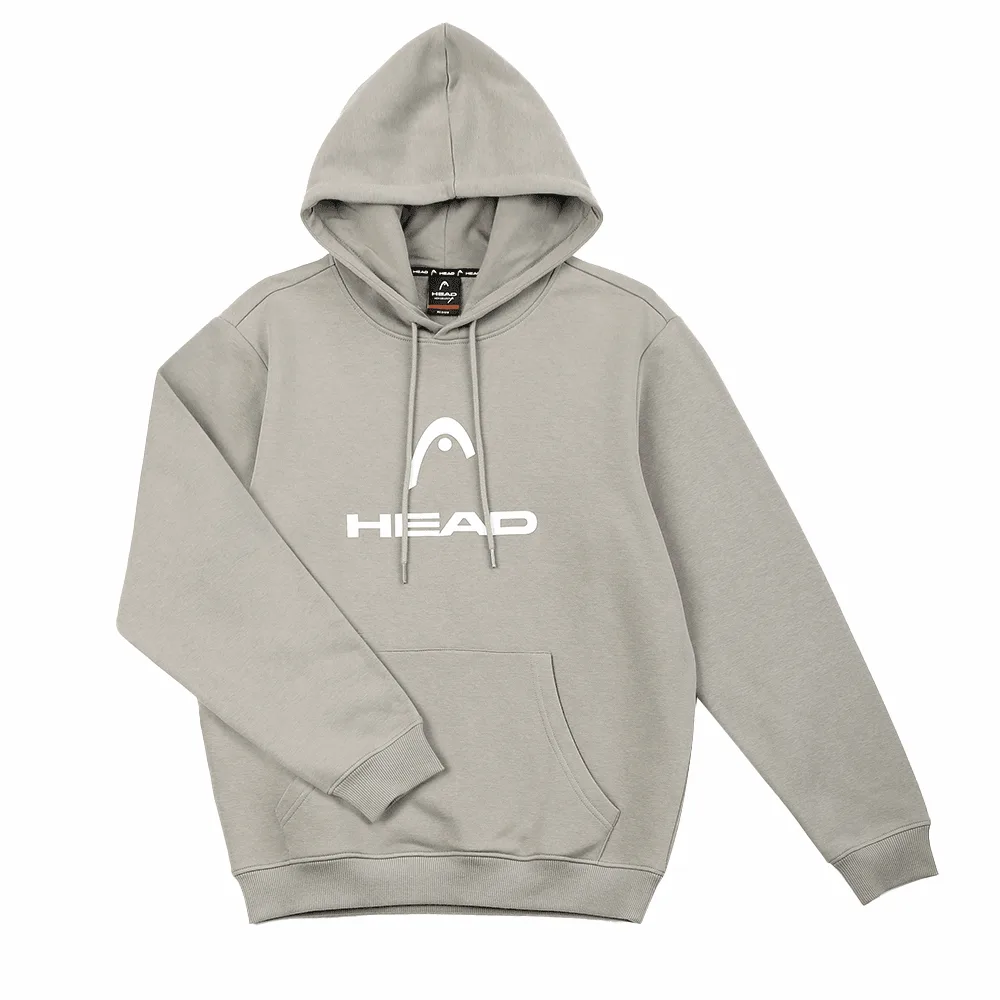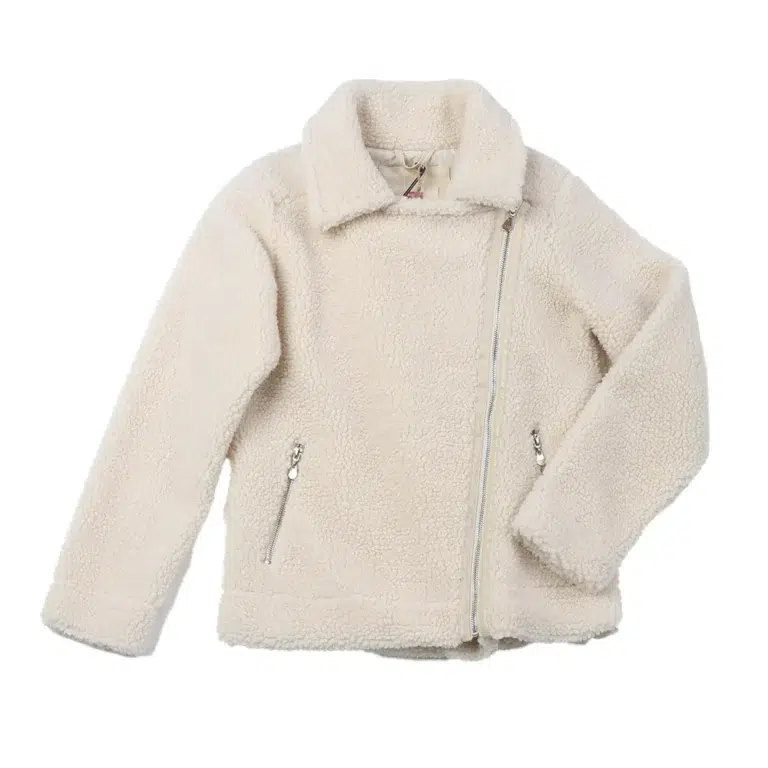
Sherpa fleece and polar fleece are two of the most popular warm synthetic fabrics, but they serve very different purposes. Sherpa fleece has a thick, fluffy high-pile texture that traps heat exceptionally well, with a thermal rating of 1.1 CLO, making it ideal for staying warm at rest. Polar fleece features a smooth, lightweight low-pile surface with a 0.8 CLO rating and far better breathability, built for active use.
In short, sherpa is the cozy, heat-trapping option for loungewear and linings, while polar fleece is the breathable, versatile pick for outdoor gear and activewear. As a professional fleece garment manufacturer, JINMAO breaks down the full differences below to help you choose the right fabric for your needs.
Key Takeaways
- Sherpa fleece has a thick, fluffy high-pile texture and delivers superior static warmth
- Polar fleece is smooth, lightweight, and highly breathable for active movement
- Choose sherpa for loungewear, blanket linings, and cold-weather insulation at rest
- Choose polar fleece for layering, hiking, and everyday active use
- Both are machine-washable; proper care extends their lifespan and prevents pilling
What Is Sherpa Fleece?

Definition and Features
Sherpa fleece is known for its thick, fluffy, wool-like texture that mimics real sheepskin, making it a popular vegan alternative. It is typically made from polyester (sometimes blended with acrylic), knitted into a base fabric, then brushed and sheared to create a tall, fuzzy pile.
The dense, high-pile structure traps large volumes of air to hold in heat, delivering exceptional insulation for its weight. It rose to popularity in the 1960s as a warm, easy-care fabric for cold climates, and remains a staple for cozy, rustic-style apparel and home goods.
JINMAO produces premium sherpa fleece garments and linings designed for long-lasting warmth and consistent softness, with options for recycled polyester to support sustainable production.
Common Uses
Sherpa fleece is most widely used for stationary warmth and comfort:
- Lining for winter jackets, hoodies, and vests
- Throw blankets, bedding, and loungewear
- Cold-weather accessories like hats, mittens, and scarves
What Is Polar Fleece?
Definition and Features
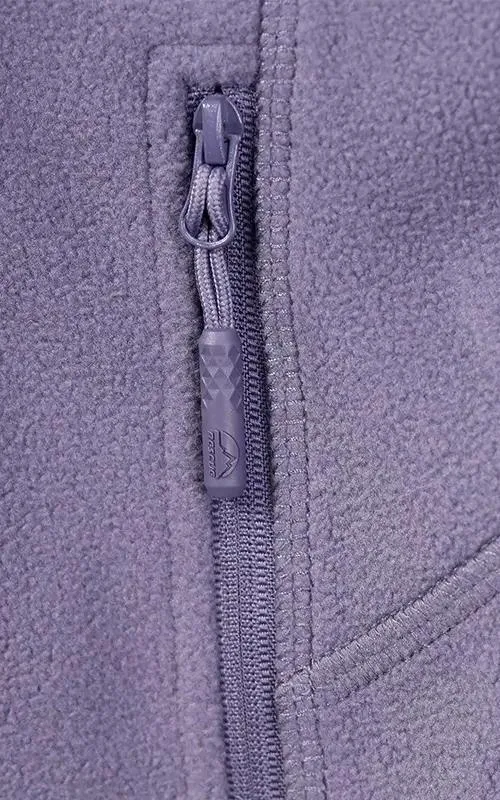
Polar fleece is a lightweight, synthetic fabric made almost entirely from polyester. It is knitted from fine polyester threads, then brushed on one or both sides to create a short, dense low-pile surface that traps air for warmth without adding bulk.
Unlike sherpa, polar fleece prioritizes breathability and moisture management. It resists light moisture, dries quickly, and allows body heat to escape during movement, making it far more versatile for active use. It is also naturally wrinkle-resistant and easy to care for.
Common Uses
Polar fleece is a workhorse fabric for outdoor and everyday apparel:
- Mid-layer jackets, vests, and pullovers for hiking, skiing, and casual outdoor activities
- Lightweight hats, gloves, and neck gaiters
- Travel blankets and everyday casual wear
JINMAO’s Polar Fleece Jacket is a classic example, crafted from low-pile polar fleece for warmth without bulk. We offer a wide range of colors, patterns, and sizes, with options made from recycled polyester and certified by OEKO-TEX, BSCI, SEDEX, and WRAP to ensure quality and environmental responsibility.
Sherpa Fleece vs. Polar Fleece: Key Differences
| Feature | Sherpa Fleece (300 GSM) | Polar Fleece (300 GSM) |
|---|---|---|
| Texture | Thick, fluffy high-pile; resembles sheepskin | Smooth, dense low-pile; neat, technical feel |
| Thermal Rating (CLO) | 1.1 | 0.8 |
| Breathability | 30 – 60 CFM | 80 – 150 CFM |
| Typical GSM Range | 300 – 600 (heavyweight) | 100 – 450 (light to heavy) |
| Best For | Static warmth, loungewear, linings | Active use, layering, outdoor sports |
Texture & Feel
Sherpa fleece has a tall, plush, nubby pile that looks and feels like lamb’s wool, with a soft, cozy hand feel. It has a more rustic, casual aesthetic.
Polar fleece has a short, smooth, brushed surface with a sleek, uniform finish. It feels lighter against the skin and has a cleaner, more modern appearance that works well for layered outfits.
Warmth & Insulation
At the same weight, sherpa fleece traps more heat thanks to its taller pile that holds still air. It excels at keeping you warm during low-activity or stationary moments, like relaxing at home or standing outdoors in cold weather.
Polar fleece provides more moderate, balanced warmth. It insulates well but allows excess heat to escape, so you won’t overheat when walking, hiking, or doing other physical activities.
Breathability & Weight
Sherpa fleece is heavier and less breathable. It retains heat effectively but can feel stuffy during movement, making it best for rest or very cold temperatures.
Polar fleece is significantly more breathable and lightweight. It is available in a wide range of weights to suit different seasons:
- Microfleece (100–200 GSM): Base layers and lightweight shirts
- Mid-weight (200–300 GSM): Standalone jackets and everyday outerwear
- Heavyweight (300–450+ GSM): Very cold weather outer layers
Durability & Care
Both fabrics are machine-washable. For best results, wash on cold with a gentle cycle, avoid bleach and fabric softeners, and air dry or tumble dry on low heat.
- High-quality sherpa fleece holds up well with proper care, but low-grade sherpa is prone to matting, pilling, and shedding over time, especially with rough washing.
- Polar fleece is naturally more resistant to matting, and anti-pilling treatments help it maintain a smooth appearance longer. It is generally more durable for frequent active use.
Price
Entry-level polar fleece garments typically cost $20–$40, while mid-range styles with anti-pilling and recycled materials range from $40–$80.
Sherpa fleece items usually cost 30–50% more than equivalent-weight polar fleece, due to thicker material and more complex brushing and shearing production processes.
Which Is Better for Different Uses?
Lounging & At-Home Comfort
Sherpa fleece is the clear winner for downtime. Its plush, fluffy texture and superior heat retention make it perfect for throw blankets, loungewear, and relaxing around the house. It delivers that familiar “cozy” feel that polar fleece cannot match.
Outdoor Activities & Sports
Polar fleece is the better choice for active use. Its breathability, fast-drying performance, and lightweight build make it ideal for hiking, running, skiing, and camping. It layers cleanly under rain jackets or winter coats without adding bulk.
Everyday Wear & Style
For casual everyday outfits, the choice comes down to aesthetic:
- Sherpa fleece has a warm, rustic, statement-making look that works well for winter jackets and outerwear
- Polar fleece has a sleek, understated, sporty look that blends easily into casual and smart-casual wardrobes
Both fabrics can be produced with recycled polyester for a lower environmental impact. JINMAO prioritizes sustainable manufacturing with recycled fiber options and ethical production certifications across both our sherpa and polar fleece lines.
Conclusion
There is no universally “better” fabric — it all depends on how you will use it. Sherpa fleece is the top pick for maximum coziness and stationary warmth, while polar fleece is the more versatile, breathable choice for active use and layering.
Whether you’re sourcing cozy sherpa loungewear or high-performance polar fleece outerwear, working with a reliable manufacturer ensures consistent quality, durability, and ethical production.
JINMAO is a professional fleece garment supplier offering custom sherpa and polar fleece products for brands and businesses. All our items can be tailored to your specifications, with eco-friendly material options and full international safety and quality certifications.
FAQ
What makes sherpa fleece different from polar fleece?
Sherpa fleece has a tall, fluffy high-pile texture that mimics sheepskin and traps more heat for stationary warmth. Polar fleece has a smooth, short-pile surface that is lighter and more breathable. Sherpa is best for rest and loungewear; polar fleece is best for movement and active use.
Can you wash sherpa and polar fleece in a washing machine?
Yes, both are machine-washable. Use cold water on a gentle cycle, wash with similar fabrics, and avoid bleach and fabric softeners. Air drying or tumble drying on low heat will preserve softness and prevent pilling and matting.
Which fabric is better for outdoor sports?
Polar fleece is far better for outdoor sports. It breathes well, dries quickly, and stays lightweight during movement, making it ideal for hiking, running, and other activities where you will work up a sweat.
Are sherpa and polar fleece eco-friendly?
Both fabrics can be made from recycled polyester, which reduces plastic waste and lowers their environmental footprint. Many brands, including JINMAO, offer recycled fleece options with third-party certifications for responsible production.