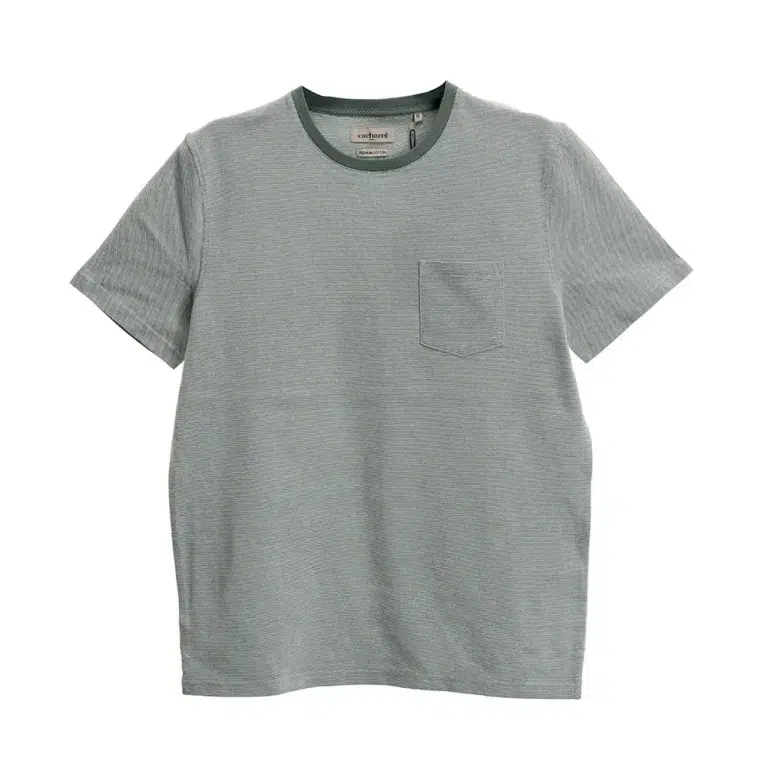
Yes, 100% cotton is excellent for t-shirts for most people. It is soft, breathable, hypoallergenic and comfortable for everyday wear. However, cotton has some limitations, including shrinkage, wrinkling and lower durability compared to blends. The best fabric depends on your specific needs and intended use.
Cotton is the most popular fabric for t-shirts worldwide, accounting for over 60% of all t-shirt production. Its natural properties make it ideal for casual wear, while blends are better for athletic use.
Key Takeaways
- 100% cotton is soft, breathable and hypoallergenic, making it perfect for sensitive skin
- Organic cotton is more sustainable, using 91% less water than conventional cotton
- Cotton shrinks and wrinkles easily; wash in cold water and air-dry to minimize damage
- Cotton blends offer better durability and stretch, making them ideal for sports
- Look for pre-shrunk, combed cotton t-shirts for the best quality and fit
Why 100% Cotton Is Popular for T-Shirts
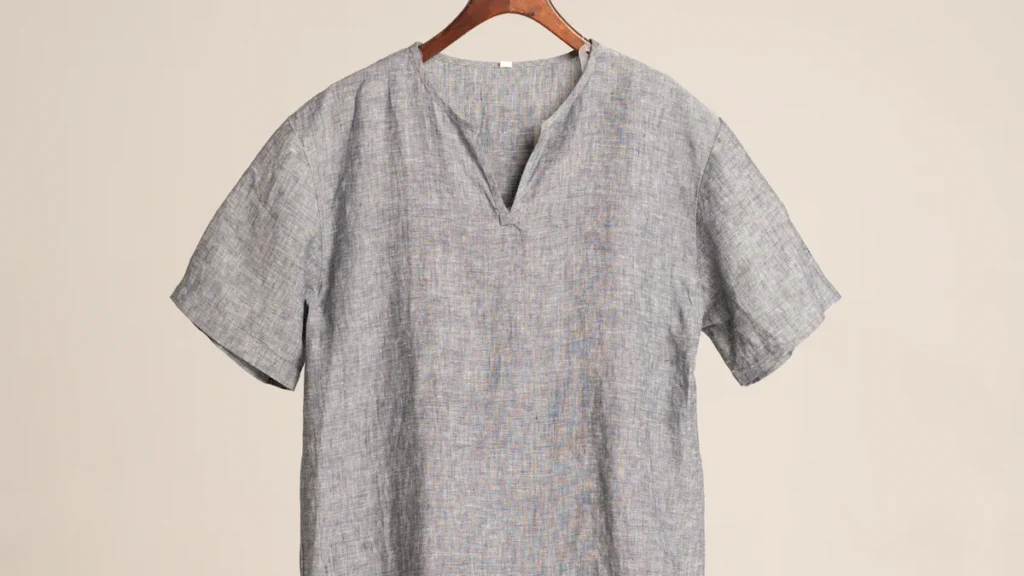
Unmatched Comfort and Breathability
Cotton’s natural fiber structure allows air to circulate freely through the fabric, helping regulate body temperature and keep you cool in hot weather. It can absorb up to 27 times its weight in water, wicking sweat away from your skin and keeping you dry throughout the day.
| Fabric Type | Breathability | Moisture Management | Best For |
|---|---|---|---|
| 100% Cotton | Excellent | Absorbs moisture | Everyday wear, hot weather |
| Polyester | Poor | Wicks moisture | Athletic use, sports |
| Cotton Blends | Good | Balanced | All-purpose use |
Important Note: While cotton’s high absorbency is great for everyday wear, it can become heavy and uncomfortable during intense exercise as it retains moisture.
Skin-Friendly and Hypoallergenic
100% cotton is naturally gentle on the skin and rarely causes irritation. It is hypoallergenic and does not disrupt the skin’s natural pH balance. The National Eczema Association recommends cotton clothing for people with sensitive skin or eczema, as it allows the skin to breathe and reduces itching.
Sustainability Benefits
Cotton is a renewable, biodegradable resource that breaks down completely in 3-6 months, unlike polyester which can take hundreds of years. While conventional cotton uses significant amounts of water (up to 2,700 liters per t-shirt), organic cotton uses 91% less water and relies primarily on rainwater.
Cotton also has a lower carbon footprint than polyester, which is made from petroleum and produces 2-3 times more CO₂ during production. Look for GOTS (Global Organic Textile Standard) certification to ensure your cotton is grown sustainably.
Potential Limitations of 100% Cotton
Shrinkage and Wrinkling
The biggest drawback of cotton is its tendency to shrink when exposed to heat. Unprocessed cotton can shrink up to 10% after the first wash. Cotton also wrinkles easily, requiring frequent ironing to maintain a neat appearance.
How to minimize shrinkage and wrinkling:
- Wash in cold water
- Turn shirts inside out before washing
- Air-dry instead of using a dryer
- Remove from the dryer immediately if you must use one
Durability and Stretch
100% cotton is less durable than synthetic fabrics and will wear out faster with frequent washing. It also has very limited stretch, only stretching up to 2% of its original size. This means pure cotton t-shirts keep their shape well but can feel restrictive during movement.
| Material Type | Stretchability | Durability |
|---|---|---|
| 100% Cotton | Up to 2% | Medium |
| Cotton-Spandex Blend | 30-50% | High |
| Polyester | 15-20% | Very High |
100% Cotton vs. Other T-Shirt Fabrics
Polyester
Polyester is a synthetic fabric that dries quickly and resists shrinking and wrinkling. It is ideal for athletic wear and sports, as it wicks moisture away from the skin. However, polyester is less breathable than cotton and can feel sticky and uncomfortable in hot weather.
Cotton Blends
Cotton blends combine the best properties of cotton and synthetic fibers. A 50/50 cotton-polyester blend is soft and breathable like cotton, but also durable and wrinkle-resistant like polyester. Tri-blend fabrics (cotton, polyester, rayon) are extremely soft and lightweight, making them popular for fashion t-shirts.
Other Natural Fibers
Bamboo and hemp are sustainable alternatives to cotton. Bamboo is naturally antibacterial and even more breathable than cotton, while hemp is extremely durable and uses less water to grow. Both fabrics are biodegradable and hypoallergenic.
How to Choose the Best Cotton T-Shirt
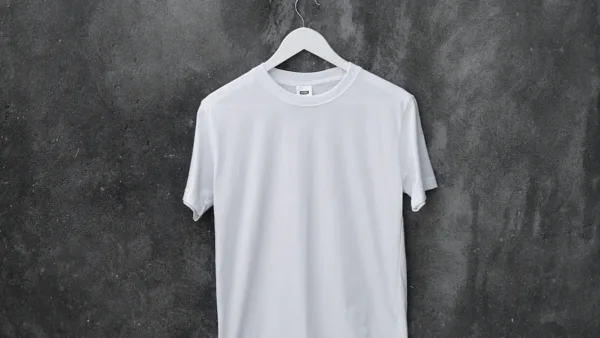
Key Quality Indicators
- Fabric Weight (GSM):
- 150-180 GSM: Lightweight, perfect for summer
- 200-250 GSM: Midweight, ideal for year-round wear
- 300+ GSM: Heavyweight, durable and opaque
- Cotton Type:
- Combed Cotton: Higher quality, softer and more durable than regular cotton
- Organic Cotton: Grown without pesticides or synthetic fertilizers
- Pima Cotton: Premium long-staple cotton, extremely soft and durable
- Construction:
- Look for double-needle stitching on seams
- Pre-shrunk fabric to minimize shrinkage
- Reinforced shoulder seams for durability
Best Fabric for Different Uses
| Use Case | Recommended Fabric |
|---|---|
| Everyday casual wear | 100% combed cotton (200-250 GSM) |
| Athletic wear | Cotton-spandex blend or polyester |
| Hot weather | Lightweight cotton or bamboo |
| Cold weather layers | Heavyweight cotton or wool blend |
| Custom apparel | 100% cotton or cotton-poly blend |
For businesses looking for custom t-shirts, NOIHSAF offers a wide range of high-quality cotton and blend fabrics. They provide full customization options including printing, embroidery and private labeling, with ISO 9001 and GOTS certifications ensuring quality and sustainability.
Conclusion
100% cotton is an excellent choice for t-shirts for most people. It offers unbeatable comfort, breathability and skin-friendliness, making it perfect for everyday wear. While it has some limitations, proper care can help minimize these issues and extend the life of your t-shirts.
FAQ
What makes 100% cotton t-shirts so comfortable?
Cotton fibers are naturally soft and breathable, allowing air to circulate and moisture to evaporate. This helps regulate body temperature and keeps you cool and dry throughout the day.
How can I prevent my cotton t-shirts from shrinking?
Wash your cotton t-shirts in cold water and air-dry them instead of using a dryer. Look for pre-shrunk cotton t-shirts, which have been treated to minimize shrinkage to less than 3%.
Are 100% cotton t-shirts good for sensitive skin?
Yes, cotton is hypoallergenic and gentle on the skin. It is recommended by dermatologists and the National Eczema Association for people with sensitive skin or skin conditions.
Which is better: 100% cotton or cotton blends?
100% cotton is better for everyday wear and sensitive skin, while cotton blends offer better durability and stretch. Blends are ideal for athletic use and people who prefer low-maintenance clothing.
How long do 100% cotton t-shirts last?
A high-quality 100% cotton t-shirt will last 2-5 years with proper care. Cheaper cotton t-shirts may only last 6-12 months before showing signs of wear.